Visit Uganda – The Pearl of Africa | Travel Guide,
Safari & Gorilla Trekking
Discover Uganda, the Pearl of Africa. Explore gorilla trekking, wildlife safaris,
national parks, and rich culture. Plan your Uganda safari today.
Uganda is a country that defies simple description. Nestled in the heart of East Africa, it
is a land where extraordinary natural beauty meets deep cultural heritage, creating one
of the most unique and rewarding travel destinations on the continent. Often referred to
as the ―Pearl of Africa‖ a name popularized by Winston Churchill, Uganda stands out for
its lush landscapes, remarkable biodiversity, and the warmth of its people.
Geographically, Uganda is a place of stunning contrasts and harmony. It is home to vast
freshwater bodies, including Lake Victoria, which forms the country’s southern border
and serves as one of the main sources of the River Nile, the longest river in the world.
From rolling green hills and fertile farmlands to dense tropical rainforests and expansive
savannahs, Uganda’s environment is both diverse and breath-taking, offering a rich
foundation for wildlife and human life alike.
What truly sets Uganda apart is its incredible biodiversity. The country is one of the few
places on Earth where you can track endangered mountain gorillas in their natural
habitat, particularly in Bwindi Impenetrable National Park. In addition, Uganda’s national
parks, including Queen Elizabeth National Park, are teeming with wildlife from
elephants, lions, and buffaloes to hippos and over a thousand bird species. This makes
Uganda a prime destination for eco-tourism, wildlife safaris, and nature-based
experiences.
Beyond its natural attractions, Uganda is a culturally rich nation with over 50 ethnic
groups, each contributing to a vibrant mosaic of traditions, languages, music, and
cuisine. This cultural diversity is reflected in everyday life, offering visitors an authentic
and immersive experience. Ugandans are widely known for their hospitality, friendliness,
and strong sense of community—qualities that leave a lasting impression on anyone
who visits.
Historically, Uganda’s story is equally compelling. From the rise of powerful pre-colonial
kingdoms such as Buganda and Bunyoro, to the era of British colonial rule, and
eventually independence in 1962, the country has undergone significant
transformations. Today, Uganda continues to grow and evolve, balancing tradition with
modern development while maintaining its cultural identity.
In essence, Uganda is more than just a destination, it is an experience defined by beauty,
resilience, and authenticity. Whether one is drawn by its wildlife, landscapes, or people,
Uganda offers something rare: a chance to connect deeply with nature and culture in a
way that is both meaningful and unforgettable.
To visit Uganda is not simply to travel, it is to discover a place that stays with you long
after you leave.
1. Unique Experiences and Attractions in Uganda
Uganda is not just another African destination; it is a country that redefines what travel
feels like. While many destinations offer beauty, Uganda offers intimacy, authenticity,
and raw connection. This is where experiences are not observed from a distance, they
are lived, felt, and remembered.
1. Top Must-See Destinations
Uganda’s attractions are not crowded checklists; they are immersive worlds of
their own.
2. Bwindi Impenetrable National Park
A mist-covered rainforest where time slows down. This is one of the only places
on Earth where you can stand just meters away from wild mountain gorillas—an
experience so powerful it often leaves visitors speechless.
3. Queen Elizabeth National Park
A breath-taking blend of savannah, wetlands, and crater lakes. Here, you can
witness tree-climbing lions, massive elephant herds, and dramatic sunsets—all in
one place.
4. Murchison Falls National Park
Where the mighty Nile explodes through a narrow gorge, creating one of the
most powerful waterfalls in the world. The sheer force and beauty of the falls are
unforgettable.
5. Lake Bunyonyi
A peaceful escape of terraced hills and dotted islands—perfect for relaxation,
reflection, and scenic beauty unlike anywhere else in Africa.
6. Jinja
Known as the adventure capital of East Africa and the source of the Nile, Jinja is
where adrenaline meets natural beauty.
Signature Experiences: More Than Just Travel
Wildlife Encounters That Feel Personal
Uganda offers something rare, proximity without crowds.
Gorilla trekking in Bwindi is not just a safari; it’s a once-in-a-lifetime emotional
encounter
Chimpanzee tracking in Kibale National Park brings you face-to-face with our
closest relatives
Boat safaris along the Kazinga Channel offer unmatched close-up views of
hippos, crocodiles, and birds
This is wildlife experienced without fences, without filters, and without mass
tourism pressure.
Culture You Don’t Just See, You Feel
Uganda’s culture is not staged,it is alive and welcoming.
Participate in traditional dances and storytelling,
Visit local communities and experience daily life
Taste authentic Ugandan cuisine prepared with passion and tradition
What stands out most is the genuine human connection, visitors are not treated
as outsiders, but as honored guests.
Adventure That Awakens You
For thrill-seekers, Uganda delivers unforgettable adrenaline experiences:
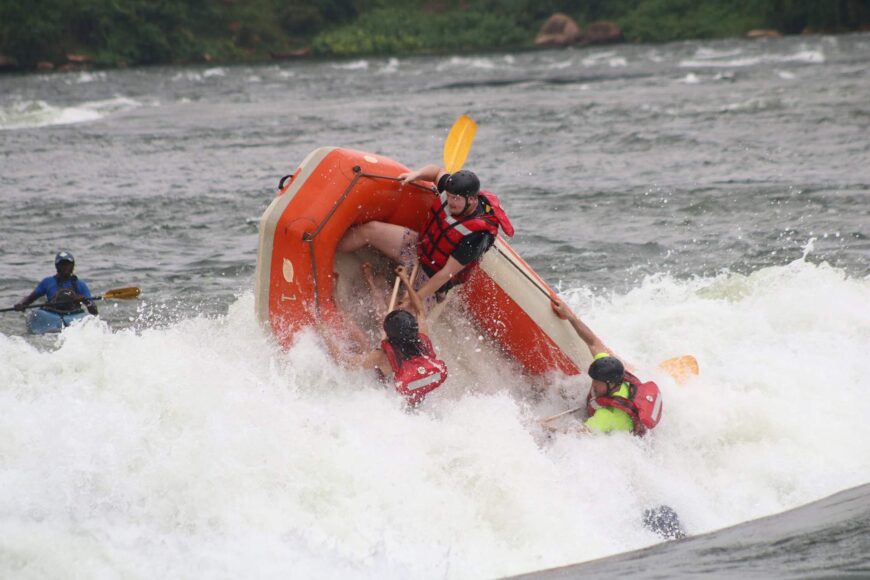
White-water rafting at the Nile in Jinja some of the best rapids in the world
Hiking the mystical Rwenzori Mountains, also known as the ―Mountains of the
Moon‖
Zip-lining, kayaking, and nature walks through untouched landscapes
This is adventure that doesn’t feel manufactured it feels real, raw, and
exhilarating.
What Makes Uganda Different from Other Destinations?
This is where Uganda truly stands apart.
1) Rare Experiences in One Country
Few places on Earth combine gorilla trekking, Big Five safaris, rich culture, and
adventure activities in one compact, accessible destination.
2) Authenticity Over Mass Tourism
Unlike heavily commercialized safari destinations, Uganda offers a more intimate
and less crowded experience. You don’t compete for moments—you own them.
3) Emotional Connection
Uganda is not just visually beautiful—it is emotionally powerful. Whether it’s
locking eyes with a gorilla, sharing laughter with locals, or watching the Nile flow
endlessly, the experiences stay with you.
4) Exceptional Value for Experience
Compared to many global safari destinations, Uganda offers world-class
experiences at more accessible prices, making it ideal for both luxury and mid
range
And do you know why this matters to you? Because Uganda is a destination that
feels undiscovered yet world-class combined with experiences that go beyond
photos into real connection, A journey that combines adventure, wildlife, culture,
and relaxation.
Uganda is not just an option; It is the destination you’ve been searching for.
Uganda doesn’t just give you memories.
It gives you stories you’ll tell for the rest of your life.
2 Local Culture and Traditions in Uganda
Uganda’s culture is not packaged for display; it is lived, layered, and accessible in ways
many African destinations are not. While countries like Kenya and Tanzania are globally
known for large-scale safari circuits, Uganda offers something different: direct, personal
access to culture that still operates within its original social systems.
This is a country where traditional kingdoms still exist, where language shapes social
respect, and where visitors can move from observer to participant without artificial
staging.
1. Living Kingdoms and Cultural Continuity
Unlike many destinations where traditional systems have been absorbed into
modern governance, Uganda maintains active cultural institutions.
The Buganda Kingdom, for example, remains highly influential in central Uganda,
with a recognized king (Kabaka), royal sites, and ongoing cultural practices.
Similarly, the Bunyoro Kingdom and Ankole Kingdom continue to shape identity
and tradition.
What this means for you as a visitor is that you are not visiting ―historic ruins‖ of
culture you are stepping into systems that are still functioning today. This allows
for deeper, more authentic engagement than destinations where culture is
preserved mainly for tourism.
2. Cultural Diversity within Short Travel Distances
Uganda’s compact size is a strategic advantage. Within a few hours of travel, you can
experience completely different cultural identities:
Central Uganda: Structured kingdoms, royal heritage, Luganda language
dominance
Western Uganda: Pastoral traditions, long-horned cattle culture, clan-based
identity
Northern Uganda: Strong oral storytelling traditions, resilience-based community
systems
Eastern Uganda: Agricultural lifestyles combined with unique music and dance
forms
In larger countries, similar diversity often requires long, expensive travel. In Uganda, it is
efficient and logistically practical, making multi-cultural experiences easier to include in
one itinerary.
3. Social Structure: Community Over Individualism
Ugandan society operates on collective responsibility, not individual
independence.
Family units extend beyond the nuclear structure
Community members participate in each other’s milestones (marriages, funerals,
ceremonies)
Decision-making often involves consultation rather than individual choice
This structure shapes how visitors are received. You are not interacting with
isolated individuals but rather entering a network of relationships.
This matters so much for your experience because
In many high-volume destinations, interactions can feel transactional. In Uganda, they
are relational, which creates more meaningful and memorable encounters.
4. Cultural Expression through Daily Practice
In Uganda, culture is not confined to performances; it is embedded in daily routines.
Greetings follow structured patterns based on age, status, and familiarity.
Food preparation reflects regional identity (e.g. matooke in central and western Uganda)
Respect is shown physically through posture, tone, and gesture
This contrasts with destinations where culture is often presented in scheduled shows. In
Uganda, you experience it continuously, not occasionally.
5. Music, Dance, and Oral Tradition as Communication Systems
Cultural expression in Uganda is functional, not decorative.
Drumming in Buganda historically communicated political and social messages
Dance forms differ by region and often represent specific historical or social
themes
Storytelling is used to transmit values, history, and moral lessons
For visitors, this means cultural experiences are not just entertaining, they are
informative and interpretive, offering insight into how communities understand
themselves.
6. Hospitality as a Cultural Standard
Hospitality in Uganda is not a service industry behaviour, it is a social expectation.
Guests are:
Greeted warmly, often with extended conversation, offered food or drink as a sign of
respect and Included in social spaces rather than kept at a distance
Compared to more commercialized destinations, where hospitality can feel scripted,
Uganda’s approach is spontaneous and genuine.
7. Practical Advantage for Travellers
Uganda’s cultural structure creates a key advantage for tourism: – – –
Access: Cultural experiences are not restricted to controlled environments
Authenticity: Interactions are not heavily commercialized
Flexibility: Cultural visits can be integrated into wildlife or adventure itineraries
without major detours
This makes Uganda ideal for travellers who want depth without sacrificing convenience.
Why this converts to a better travel experience
If your goal is simply to see Africa, many destinations can offer that.
If your goal is to understand and engage with it, Uganda offers a stronger return.
You experience living culture, not curated displays
You engage with people, not performances
You gain insight, not just impressions
And to position Uganda Clearly, is to say that
Uganda is not trying to compete as the most famous destination.
It competes as the most immersive.
And for travellers who value Authentic human connection,
Cultural depth alongside wildlife and Efficient, multi-layered itineraries, Uganda
becomes not just a good option but the smart choice.
Understanding Uganda’s culture is the first step, experiencing it is what turns interest
into a confirmed journey.
3.Language and Communication in Uganda: From Conversation to
Connection
In Uganda, language is not just a tool for exchanging information, it is a system of
respect, identity, and relationship-building. Visitors who understand this shift move
quickly from being outsiders to being welcomed participants in everyday life.
1. A Multilingual Country That Makes Access Easy
Uganda is one of the most linguistically diverse countries in Africa, with over 40
indigenous languages spoken across regions. Yet, unlike many destinations where
language becomes a barrier, Uganda is highly accessible:
English is the official language widely used in tourism, business, and education
Swahili is common in trade and increasingly used nationally whereas Luganda is
the most widely spoken local language, especially in central Uganda.
This means that you can travel comfortably using English, but the moment you
step even slightly into local language, your experience changes from functional to
personal.
2. Why language matters more here than elsewhere
In many tourism-heavy destinations, communication is simplified to efficiency, quick
transactions, short exchanges, minimal engagement.
Uganda operates differently.
Here, communication is about Acknowledging presence, Building rapport before
purpose and maintaining social harmony
A conversation does not start with ―What do you need?, It starts with ―How are
you? And that question is meant.
3. The Power of Simple Local Words
You do not need fluency to connect. In Uganda, effort carries more value than accuracy.
A few words in Luganda can transform interactions:
Oli otya? – How are you?
Gyebale ko – Well done / thank you for your work
Webale nnyo – Thank you very much
Using even one of these signals something important: you are willing to meet people
halfway, In return, you will often receive warmer responses, longer, more meaningful
conversations and genuine appreciation
4. Communication Style: Indirect, Respectful, and Relational
Ugandan communication is shaped by cultural values, not just vocabulary.
Indirect Expression
People may avoid blunt or overly direct statements, especially in sensitive
situations. This is not avoidance—it is a way of preserving respect and dignity.
Tone Over Words
How something is said often matters more than what is said. A calm, friendly tone
builds trust quickly.
Listening as Engagement
Active listening is highly valued. Interrupting or rushing responses can signal
disinterest.
5. Non-Verbal Communication You Should Understand
Much of communication in Uganda happens beyond words: – – –
Hand use: The right hand (or both hands) is used when giving or receiving
Posture: Slightly lowering posture when greeting elders shows respect
Eye contact: Balanced not overly intense, but not avoided
These signals are subtle, but they communicate awareness and cultural sensitivity.
6. Conversation as Relationship, Not Transaction
In Uganda, conversations are not designed to be efficient, they are designed to
be meaningful.
You may notice that questions go beyond the immediate topic interest in your
background, journey, or impressions
Conversations that continue even after the ―purpose‖ is complete
This is not delay, it is connection-building.
7. How to Move from Observer to Participant
Most visitors remain observers because they treat communication as functional.
Those who connect do something different,
They initiate greetings, not just respond, They allow conversations to expand
naturally, They show curiosity without rushing outcomes, they respond with
openness, not just politeness and the result is immediate: You are no longer ―the
tourist‖ you become someone people engage with genuinely.
8. A Strategic Advantage for Your Experience
Compared to more commercialized destinations where interactions are often brief and
transactional, Uganda offers
More time for real conversation, Less scripted communication and greater openness
from local communities
This creates a deeper, more memorable travel experience without requiring additional
cost or planning but only a shift in approach.
In Uganda, language is not about speaking perfectly.
It is about showing respect, interest, and presence.
When you adjust how you communicate, something changes:, you stop navigating a
destination and start connecting with people. And in Uganda, that connection is what
defines the journey.
4. Interacting with Local Communities in Uganda: Turning Presence
into Participation
In Uganda, communities are not side experiences added to an itinerary, they are the
context in which the entire journey happens. Whether you are passing through a village
near a national park or spending time in a town, you are moving through living social
spaces, not curated attractions.
Understanding how to engage in these spaces is what separates a standard trip from a
deeply memorable one.
1. Communities Are Not Performances
In some destinations, cultural encounters are structured, timed, and designed
primarily for visitors. Uganda operates differently.
Here:
Daily life continues whether visitors are present or not
Cultural practices are not adjusted to meet tourist expectations and Interactions
happen within real routines and environments this means that you are not
watching culture—you are entering it. The value comes from how you engage,
not just what you see.
2. Access Without Barriers
Uganda offers unusually open access to communities compared to many safari
focused countries.
Villages often exist alongside conservation areas
Local markets, schools, and social spaces are accessible
Community-based tourism initiatives are integrated into travel routes
This accessibility allows you to include meaningful interaction without long
detours or staged visits.
Strategic advantage:
You can combine wildlife, landscapes, and community experiences within a
single itinerary something that is more logistically complex in larger destinations.
3. The Role of Respect in Community Engagement
Respect in Uganda is not abstract it is visible in behavior.
Greetings establish your presence before any interaction begins
Tone and patience signal your attitude, Awareness of personal space and social
hierarchy shapes how you are received
Communities respond quickly to these signals. When respect is clear, People
open up, conversations deepen, and experiences become personal.
When it is missing:,
Interactions remain surface-level and transactional.
4. Participation Happens Through Invitation
A key distinction in Uganda is that meaningful participation is often invited, not
assumed.
You may be:
Invited to join a meal
Encouraged to try a local activity (cooking, farming, dancing)
Drawn into conversation or storytelling
The most valuable experiences are rarely scheduled—they emerge organically.
Your role is not to initiate everything, but to be receptive when opportunities arise.
5. Curiosity vs. Intrusion
Curiosity is welcomed in Ugandan communities but it must be balanced with
awareness.
Effective engagement looks like:
Asking questions with context and sensitivity, Observing before stepping in,
Allowing people to share at their own pace whereas less effective engagement
includes: Treating communities as photo subjects, asking overly personal
questions too quickly and moving through spaces without acknowledgment
The difference is simple:
Curiosity builds connection. Intrusion creates distance.
6. Economic Interaction: Supporting Without Distorting
Tourism plays a role in local livelihoods, but how you engage economically
matters.
Positive impact comes from: Purchasing locally made crafts
Using community guides and services, Choosing experiences that are locally
managed. This approach ensures your presence contributes to sustainable
benefit, not dependency or imbalance.
Compared to destinations dominated by large-scale operators, Uganda offers
more opportunities to directly support local economies.
7. Time as a Tool for Connection
In Uganda, time is one of the most important elements of interaction.
Conversations may extend beyond initial purpose
Social exchanges are not rushed
Presence is valued more than efficiency
Visitors who adjust to this pace gain access to deeper conversations, Personal stories,
genuine relationships, even within short stays.
8. What You Gain by Engaging Properly
When interaction is approached with awareness and openness, the outcome shifts
significantly.
Instead of observing daily life,You begin to understand it.
Instead of:
Passing through communities, You become part of shared moments
Instead of:
Collecting images ,You leave with context, stories, and perspective
9. Uganda’s Competitive Edge
Compared to more commercialized safari destinations, Uganda offers:
Less controlled, more natural interaction environments
Greater openness from local communities
Higher likelihood of unscripted, meaningful encounters
This is not accidental, it is a result of how society is structured and how tourism has
developed.
Therefore Interacting with local communities in Uganda is not about adding an activity to
your itinerary.
It is about changing how you move through the country.
When you approach communities with, Respect, Patience, Genuine interest, you move
beyond observation and into participation and in Uganda, participation is where the
experience becomes truly valuable and worth the journey
5.Authenticity and Travel Experience in Uganda: Depth Over
Density
Uganda does not compete by offering more attractions it stands out by offering more
meaningful access to them. The difference is not what you see, but how you experience
it.
In a global tourism landscape where many destinations are optimized for volume,
Uganda remains structured for depth, space, and genuine discovery.
1. Crowd Levels: A Strategic Advantage, Not a Limitation
In high-profile safari destinations, wildlife sightings often come with:
Multiple vehicles surrounding a single animal, Limited viewing time, a shared,
sometimes rushed experience.
Uganda operates differently.
Gorilla trekking permits in Bwindi Impenetrable National Park are strictly limited to small
groups.
Game drives in Queen Elizabeth National Park and Murchison Falls National Park
typically involve fewer vehicles per sighting
Boat safaris and nature walks offer uninterrupted viewing without congestion
This means that you are not competing for space or time but rather experiencing
wildlife and landscapes with focus and continuity.
2. Off-the-Beaten-Path Is the Default, Not the Exception
In many destinations, ―off-the-beaten-path‖ requires significant planning and cost.
In Uganda, it is built into the experience.
Beyond well-known parks, travelers can easily access:
Kibale National Park for chimpanzee tracking in dense rainforest, lake Bunyonyi for
quiet, low-traffic scenic retreats
Rwenzori Mountains for high-altitude trekking with minimal foot traffic
These locations are not remote add-ons, they are integrated into standard travel routes,
making exclusivity practical rather than expensive.
3. Experience Depth: Why Uganda Feels Different
Depth comes from time, access, and lack of interruption.
Gorilla trekking allows up to an hour with a habituated family no crowds, no rotation
pressure.
Community interactions happen in real environments, not staged settings, Landscapes
are experienced across multiple formats game drives, boat cruises, guided walks
without repetition feeling artificial
In contrast, high-density destinations often compress experiences into shorter, more
crowded encounters.
Uganda expands them.
4. Multi-Layered Itineraries Without Overload
Uganda’s compact geography allows you to combine:
Rainforest experiences (gorillas, chimpanzees),Savannah safaris (lions, elephants,
buffalo),Cultural engagement (communities, traditions),Adventure activities (rafting,
hiking)
All within a single trip that remains logistically efficient.
In larger destinations, achieving this level of diversity often requires multiple flights,
longer transit times, and higher overall cost.
Uganda delivers variety without fragmentation.
5. Authenticity Without Isolation
Some destinations offer authenticity but require sacrificing comfort or accessibility.
Others offer comfort but at the cost of authenticity.
Uganda balances both, Eco-lodges and boutique accommodations are positioned within
or near natural environments
Infrastructure supports travel without overdeveloping key sites and experiences remain
close to their original context.
You do not have to choose between comfort and authenticity, you get both.
6. The Psychological Difference: Space to Experience
Crowds change behavior, They shorten attention spans, they reduce emotional
engagement and turn experiences into checklists.
Uganda’s lower density does the opposite it encourages slower, more attentive travel
allowing for spontaneous moments and creating space for reflection and connection
This is not a minor detail as it directly affects how memorable the trip becomes.
7. Positioning Uganda Clearly
Uganda is not trying to be the busiest safari destination.
It is positioning itself as the most immersive.
For travelers deciding between destinations:
If priority is iconic volume and fast-paced viewing ,other destinations may compete.
If priority is depth, access, and authenticity , Uganda holds a clear advantage.
This Matters for Your Journey because travel decisions are often made based on
destinations but satisfaction is determined by experience quality.
In Uganda:
You spend less time navigating crowds ,more time engaging with environment and
leave with experiences that feel personal, not shared.
Uganda is not about seeing more, It is about experiencing more of what you see.And
that difference is exactly what turns interest into a confirmed booking.
6.Personalised Travel Experiences in Uganda: Built Around
You, Not the Crowd
Uganda is uniquely positioned to deliver highly personalised travel not as a premium
add-on, but as a natural outcome of how tourism operates here. Smaller visitor
numbers, flexible logistics, and direct access to guides and communities make it
possible to shape journeys around your interests, pace, and purpose.
Where many destinations standardise itineraries to manage volume, Uganda allows you
to design the experience itself.
1. Flexible Itineraries Without Operational Constraints
In high-traffic safari regions, itineraries are often fixed:
Set game drive times, Pre-determined routes, Limited flexibility once on the ground
Uganda’s lower density changes this.
Game drives in Queen Elizabeth National Park or Murchison Falls National Park can be
adjusted based on your interests, photography, birding, or big game tracking.
Travel pace can be slowed or extended without disrupting access to sites, routes can be
modified to include lesser-visited areas without logistics.
The result of this is that your itinerary adapts to you not the other way around.
2. Small-Group and Private Access by Default
Uganda’s tourism structure naturally supports intimate experiences:
Gorilla trekking in Bwindi Impenetrable National Park is limited to small groups (typically
8 people per gorilla family)
Private guides and vehicles are widely available and cost-effective compared to larger
safari markets, Lodges tend to be smaller, allowing for tailored service rather than
standardized delivery. This creates an environment where personalization is not
exclusive but a standard practice.
3. Interest-Based Travel: Designing Around What Matters to You
Uganda allows you to build a trip around specific interests, rather than fitting into a
general itinerary.
Wildlife-Focused Customisation
Prioritise primates (gorillas + chimpanzees in Kibale National Park), Focus on big game
and predator tracking ,Specialised birding routes with expert guides, Cultural
Immersion, time with specific communities based on region, Participation in daily
activities (farming, cooking, storytelling), Visits to cultural institutions within active
kingdoms, Adventure-Led Itineraries ,White-water rafting in Jinja
Multi-day trekking in the Rwenzori Mountains
Combined hiking, kayaking, and nature-based exploration.
Unlike destinations where niche experiences require complex arrangements, Uganda
integrates them seamlessly into core travel routes.
4. Direct Access to Knowledgeable Guides
Guides in Uganda are not just facilitators, they are interpreters of the experience. Many
guides are locally trained with deep knowledge of wildlife, culture, and geography
Smaller group sizes allow for continuous interaction, not one-way commentary
Guides can adjust focus in real time based on your questions and interests
This level of engagement is difficult to achieve in larger group formats common in more
commercialized destinations.
5. Custom Pacing: Travel at Your Own Rhythm
Personalisation is not only about what you do ,it is about how you experience it.
In Uganda, you can:
Extend time at locations that interest you, reduce transit pressure by balancing activity
and rest and combine high-energy activities with slower, reflective experiences.
For example: A high-adrenaline day in Jinja can be followed by quiet recovery at Lake
Bunyonyi without leaving the country or overcomplicating logistics.
6. Accommodation That Supports Customisation
Uganda’s accommodation landscape is dominated by:
Boutique lodges ,Eco-lodges, Small, independently managed properties.
These offer Flexible meal times, tailored activity planning as well as direct interaction
with hosts and staff.
Compared to large resort-style operations, this allows for individual preferences to be
accommodated quickly and effectively.
7. Cost Efficiency of Personalisation
In many destinations, personalization comes at a significant premium.
In Uganda, it is comparatively accessible: Private guiding and vehicles are competitively
priced, Custom itineraries do not require extensive additional logistics and multi
experience trips can be built without excessive internal flights the outcome of this is that
you achieve a higher level of customization without disproportionate cost increases.
A well-planned trip shows you a destination, a personalised trip connects you to it.
In Uganda,
You decide the pace, you shape the focus
You influence the experience as it unfolds.
Uganda doesn’t offer one version of travel, It offers the ability to create your own—and
that is its strongest advantage
7.Conservation and Responsible Tourism in Uganda: Travel
That Actively Protects What You Came to See
In Uganda, conservation is not a background story it is built into the travel experience
itself. The country’s most iconic encounters, especially with primates and wildlife, exist
today because of strict protection policies, community involvement, and controlled
tourism models.
For travelers, this creates a clear reality: Your visit is not neutral it directly contributes to
conservation outcomes.
1. Conservation Through Controlled Access
Uganda has adopted a low-volume, high-impact tourism model, particularly for its most
sensitive ecosystems.
Gorilla trekking in Bwindi Impenetrable National Park is tightly regulated:
Only a limited number of permits are issued daily, groups are restricted (typically 8
visitors per gorilla family) and time spent with gorillas is capped to reduce stress and
disease risk
Similar controls apply in Kibale National Park for chimpanzee tracking and in key wildlife
zones across Murchison Falls National Park and Queen Elizabeth National Park
In essence, You experience wildlife in a way that prioritizes animal welfare over tourist
volume a clear distinction from destinations where pressure on wildlife is higher.
2. Tourism Revenue Directly Supports Protection
A significant portion of tourism revenue in Uganda is reinvested into conservation
through institutions like the Uganda Wildlife Authority.
Your permit and park fees contribute to :Anti-poaching operations, ranger salaries and
training, habitat protection and monitoring as well veterinary interventions for
endangered species
Example:
Mountain gorilla populations have shown measurable recovery over the years, with
Uganda playing a key role due to sustained conservation funding linked to tourism.
3. Community Involvement: Conservation That Includes People
Uganda’s approach recognizes a critical reality: conservation only works if local
communities benefit.
Revenue-sharing programs allocate a portion of park income to surrounding
communities
Community tourism initiatives create employment (guides, crafts, cultural experiences)
Reduced human-wildlife conflict through education and compensation systems
This matters because in some destinations, conservation excludes local populations. In
Uganda, it increasingly integrates them, creating long-term sustainability.
4. Responsible Tourism Is Practiced, Not Marketed
Many destinations promote sustainability as a concept. Uganda enforces it through
practical guidelines:
Strict rules on wildlife interaction (distance, noise levels, group size)
Prohibition of feeding or interfering with animals ,controlled movement within protected
areas and visitors are not just encouraged, they are required to follow these practices.
This ensures that conservation is not optional but standardized.
5. Low Impact, High Experience Value
Uganda’s tourism model deliberately avoids overdevelopment.
Lodges are often eco-conscious and limited in size infrastructure supports access
without overwhelming ecosystems
Visitor numbers remain controlled across key sites
Compared to high-density tourism regions, this results in:
Less environmental pressure, more intact ecosystems and a more authentic natural
environment for visitors
6. Your Role as a Responsible Traveler
In Uganda, responsible travel is not complicated but it is important.
Your impact is maximized when you follow park and guide instructions without
exception, respect wildlife distance and behaviour guidelines Support local businesses
and community initiatives and avoiding activities that exploit animals or disrupt
ecosystems
The outcome of this is that your presence becomes part of the solution not the problem.
7. Why This Strengthens Your Travel Experience
Responsible tourism in Uganda does not limit your experience it enhances it.
Wildlife behaves more naturally due to reduced pressure.
Ecosystems remain intact and visually authentic and Interactions feel genuine rather
than staged
In contrast, destinations that prioritize volume often face:
Habituated or stressed wildlife, Environmental degradation and reduced quality of
encounters over time
In this perceptive, you travel With Purpose.
In Uganda, conservation is not separate from tourism ,it is the reason tourism is
possible.
Every permit purchased, every park visited, and every responsible choice made
contributes to protecting endangered species, preserving ecosystems and Supporting
communities living alongside wildlife
You are not just visiting Uganda,
You are participating in the protection of what makes it extraordinary and that is what
transforms a trip into something far more valuable than travel alone
8.Accommodation Options in Uganda: Types of
Accommodation: What to Expect and How to Choose
Accommodation in Uganda is designed to support experience-first travel. This means
properties are often located close to wildlife areas, forests, and communities.
sometimes at the expense of uniform luxury standards seen in more commercialized
destinations.
Understanding this early helps set the right expectations and ensures satisfaction
matches reality.
1. Luxury Lodges: High-End, Nature-Integrated Comfort
Uganda offers a growing number of luxury lodges, particularly around premium
locations like Bwindi Impenetrable National Park and Queen Elizabeth National Park.
What they do well:
Exceptional locations (often with direct views of forests or savannah), Personalized
service and guiding, high-quality food and curated experiences
What to realistically expect is that ―Luxury‖ is often eco-luxury, not ultra-urban luxury
Power may rely on solar with backup generators. Wi-Fi can be limited or slow, and
Wildlife proximity means occasional natural disturbances (insects, sounds at night)
This positions Uganda as a less polished than city hotels in destinations like South
Africa but far more immersive and exclusive in setting.
2. Mid-Range Lodges: Best Balance of Comfort and Value
This is Uganda’s strongest category and where most travelers find the best experience
to-cost ratio.
What they offer:
Comfortable private rooms with en-suite bathrooms, Reliable meals and essential
amenities and strategic locations near parks and key attractions
What to realistically expect is functional rather than luxurious design, Inconsistent Wi-Fi
and occasional power interruptions and Service quality can vary depending on location
Why this works well in Uganda:,
You spend less on accommodation while still accessing premium experiences like
gorilla trekking or safaris.
3. Budget Accommodation: Practical and Accessible
Budget options exist in towns, near parks, and along travel routes.
What they offer:
Basic rooms and shared or simple private facilities, affordable pricing for longer stays or
backpack-style travel
What to realistically expect is Limited amenities, Simpler hygiene and maintenance
standards and Less privacy and minimal service
These are best suited for travellers prioritizing cost efficiency over comfort, or those on
extended stays.
4. Eco-Lodges and Sustainable Stays
Uganda is particularly strong in eco-conscious accommodation, especially around
conservation areas.
These offer low-impact construction using local materials
Integrated with surrounding environments and strong links to conservation and
community projects
Here, you should realistically expect reduced infrastructure (e.g., limited electricity
hours), Open designs that bring you closer to nature and Less separation between you
and the environment
The Key advantage here is that these stays often provide the most authentic and
meaningful experience, not just a place to sleep.
5. Urban Hotels (Kampala & Entebbe)
In cities like Kampala and Entebbe, accommodation aligns more closely with
international standards.
They offer full-service hotels with consistent amenities
Reliable internet, air conditioning, and 24/7 power as well as
Easier logistics for arrival and departure
Here, you should realistically expect Less character compared to lodges in natural
settings, More conventional and less immersive experiences
These can be best used for short stays before or after safaris not the core of your
experience.
6. Location Matters More Than Category
In Uganda, where you stay matters more than the star rating.
A mid-range lodge inside or near a park can offer:
Better wildlife access, Less travel time and more immersive surroundings than a higher
rated property located further away.
The Strategic insight is to prioritize proximity to experiences over accommodation
labels.
7. Service Style: Personal but Not Standardized
Uganda’s accommodation sector is largely made up of boutique properties and
independently managed lodges
This creates more personalized attention and flexible service delivery but also less
standardized processes compared to large hotel chains
Occasional variability in service speed or consistency
8. Setting the Right Expectations
To avoid disappointment, it’s important to align expectations with reality:
Uganda is not a mass luxury destination ,it is an experience-driven destination
Infrastructure supports travel, but does not dominate it
Minor inconveniences (power, Wi-Fi, insects) are part of staying close to nature
The trade-off is to give up a level of predictability in exchange for location, authenticity,
and access.
Accommodation in Uganda should be viewed as part of the experience not separate
from it.
Luxury here means where you are, not just what you have
Comfort is balanced with proximity to nature
Value is measured by access to experiences, not just amenities
And if you choose based on experience, not just facilities,
Uganda will exceed expectation rather than challenge them
9. Regional Differences in Accommodation Quality &
Amenities in Uganda
Wi-Fi, Power, Food Standards What Actually Changes by Location
Uganda’s accommodation quality is not uniform across the country and that’s not a flaw,
it’s a reflection of geography and access. The closer you are to major cities and
transport hubs, the more consistent the infrastructure. The deeper you go into wildlife
areas and remote regions, the more the experience shifts toward immersion over
convenience.
Understanding these regional differences helps you plan intelligently and helps to avoid
mismatched expectations.
1. Kampala & Entebbe: Full-Service Reliability
In urban hubs like Kampala and Entebbe, accommodation standards are closest to
international expectations.
What you can expect consistently: Strong and stable Wi-Fi
24/7 electricity (grid + backup systems), Wide food variety (local and international
cuisine) and Professional, standardized service
The reality check here is where Uganda feels most ―global‖—but also least unique.
These locations are ideal for arrival, departure, or recovery not for the core travel
experience.
2. Major National Parks: Comfortable but Controlled Infrastructure
In destinations like Queen Elizabeth National Park and Murchison Falls National Park,
infrastructure is well-developed but intentionally limited to protect the environment.
Wi-Fi is available in most mid-range and luxury lodges
Often restricted to common areas
Speed varies suitable for messaging, not heavy streaming and the power is a
combination of solar + generators.
Power is usually reliable but may follow schedules (especially at night in some lodges)
Food is good quality, often buffet-style or set menus a mix of local and international
dishes.
Fresh ingredients, but limited menu variety compared to cities
The Key insight here is that you you have comfort—but within a system designed to
minimize environmental impact, not maximize convenience.
3. Gorilla & Chimpanzee Regions: High-End Experience, Remote Reality
Areas like Bwindi Impenetrable National Park and Kibale National Park offer some of
Uganda’s most exclusive lodges—but they are also among the most remote.
Wi-Fi is often limited or slow and is sometimes only available at reception areas
Power is mostly solar-powered with generator backup
Power interruptions or scheduled usage are common.
Food is surprisingly high quality, especially in luxury lodges with fresh, locally sourced
ingredients
Menus are curated but not extensive
The reality check, you are trading infrastructure for proximity to once-in-a-lifetime
experiences. The setting is the luxury not the bandwidth.
4. Remote Scenic Areas: Minimal Infrastructure, Maximum Isolation
Locations such as Lake Bunyonyi or the Rwenzori Mountains offer some of the most
visually stunning environments but with reduced amenities.
Wi-Fi is Limited or unavailable in many properties
Power is Solar-based, often restricted to specific hours and
Charging may be centralized.
Food Is simple, home-style meals which are locally sourced, less variety.
Who this suits travellers seeking quiet, disconnection, and immersion, not constant
connectivity.
5. Key Pattern Across Uganda
There is a clear and consistent rule:
The closer you are to nature, the lighter the infrastructure and the deeper the
experience.
This is intentional. Uganda has chosen to:
Protect environments rather than overdevelop them
Limit infrastructure where it would disrupt ecosystems and
Prioritize experience quality over convenience consistency
6. Subtle Comparison with Competing Destinations
In destinations like South Africa, Infrastructure is highly developed
Wi-Fi, power, and service are consistent across locations
But experiences can feel more structured.Natural settings are often more controlled.
In Uganda, Infrastructure varies but access to nature is less filtered and more
immediate.
The trade-off is clear,Predictability vs authenticity.
7. How to Align Expectations with Experience
To avoid disappointment, Expect full connectivity only in cities, expect functional comfort
(not perfection) in parks, expect limited infrastructure in remote areas expect food
quality to remain consistently good, even when variety is limited.
Thus it goes without saying that accommodation amenities in Uganda are not designed
to compete with urban luxury destinations. They are designed to support access to
extraordinary environments.
If you measure your stay by Wi-Fi speed,Power consistency, Menu size ,you may feel
the gaps but if you measure it by:
Location ,experience access and atmosphere, Uganda will consistently exceed
expectations.
The further you go, the less you connect to devices
And the more you connect to the experience
10.Food and Dietary Considerations in Uganda: Local
Cuisine Overview: What to Expect (and Why You Don’t
Need to Worry)
For many travelers, food is one of the biggest unknowns when visiting a new
destination. In Uganda, that uncertainty is understandable but largely unnecessary. The
country’s cuisine is simple, fresh, and adaptable, making it one of the easier African
destinations for cautious eaters to navigate.
This is not a destination where food is extreme or unfamiliar. It is a place where meals
are grounded, nourishing, and approachable.
1. A Cuisine Built on Fresh, Recognizable Ingredients
Ugandan food is based on staples that are widely familiar, even if prepared differently:
Bananas (especially matooke, a steamed cooking banana)
Rice and potatoes, beans, groundnuts (peanuts), and lentils
Chicken, beef, goat, and fish (especially Nile perch and tilapia)
Fresh vegetables such as cabbage, greens, tomatoes, and onions
What this means for you is that There are no ―shock‖ ingredients or extreme flavours.
Meals are mild, natural, and easy to adjust to, even for first-time visitors to Africa.
2. How Food Is Prepared
Ugandan cooking focuses on boiling, steaming, and light frying rather than heavy
processing.
Minimal use of spices .flavours are subtle, not overpowering
Fresh preparation, especially in lodges and reputable restaurants
This results in food that is easy on the stomach Suitable for a wide range of dietary
preferences consistent in quality when prepared in established accommodations.
3. What a Typical Meal Looks Like
A standard Ugandan meal often includes:
A starch (matooke, rice, posho, or potatoes)
A protein (beans, meat, or fish)
A vegetable side
Meals are balanced and filling, designed for sustained energy rather than heavy
indulgence ideal for travel days, safaris, and trekking.
4. Availability of International Options
One of Uganda’s strengths especially for cautious travellers is the availability of familiar
food.
In most mid-range and luxury lodges breakfasts include eggs, toast, fruit, tea, and
coffee.
Lunch and dinner menus often combine local and international dishes.
Pasta, grilled meats, soups, and salads are common.
In cities like Kampala and Entebbe, you will also find:
Indian, continental, and fast-food options.
Cafés and restaurants catering to global tastes
The bottom line here is that you can engage with local cuisine at your own pace. There
is no pressure to fully adapt immediately.
5. Food Hygiene and Safety
In established lodges, hotels, and reputable restaurants:
Food is prepared to international hygiene standards
Ingredients are sourced fresh and cooked thoroughly
Staff are trained to accommodate international guests
The practical reassurance is to stick to recommended accommodations and guides.
Avoid street food if you are unsure or have a sensitive stomach
Drink bottled or filtered water (standard practice).
Following these basic steps ensures a safe and comfortable food experience.
6. Dietary Flexibility
Uganda is generally accommodating when it comes to dietary needs.
Vegetarian options are widely available (beans, vegetables, plant-based dishes)
Gluten-free choices can be managed with simple adjustments
Special requests (allergies, preferences) can often be communicated in advance
While options may not be as extensive as in major global cities, they are reliable and
manageable, especially with prior notice.
7. How Uganda Compares to Other Destinations
In some travel destinations, Cuisine may be heavily spiced or unfamiliar, dietary
adaptation can be challenging and Food safety varies widely.
Uganda stands out because Flavours are mild and approachable.
Ingredients are recognizable and natural, Lodges are experienced in catering to
international travellers.
This makes Uganda a low-risk, high-comfort choice for cautious eaters.
Food in Uganda is not something to worry about, it is something you can ease into
confidently.
You will find familiar meals when you need them, Local dishes when you’re ready to
explore and Consistent quality in the right places
You don’t have to be adventurous to eat well in Uganda,
But if you are, you’ll discover that its simplicity is exactly what makes it enjoyable.
11.Availability of Vegetarian & Vegan Options in Uganda
Reliable, Flexible, and Easier Than You Might Expect
For travelers with vegetarian or vegan diets, Uganda is far more accommodating than
many first-time visitors assume. While it is not marketed as a plant-based destination,
the structure of local cuisine combined with lodge flexibility makes it practical,
manageable, and often surprisingly enjoyable.
1. A Naturally Plant-Based Foundation
Many traditional Ugandan dishes are either vegetarian by default or easily adapted.
Common staples include beans and groundnut (peanut) sauces, steamed matooke
(plantain), sweet potatoes, cassava, and rice .Fresh vegetables such as greens,
cabbage, tomatoes, and pumpkin
This matters because unlike destinations where vegetarian meals require special
preparation, Uganda already has a strong plant-based base built into everyday cooking.
2. Vegetarian Options: Widely Available and Consistent
Across mid-range and luxury lodges, vegetarian meals are standard, not exceptional.
You can expect clearly identifiable vegetarian dishes on menus
Flexible substitutions (e.g., replacing meat with beans or vegetables)
Balanced meals with protein, starch, and vegetables
Even in remote areas near parks like Queen Elizabeth National Park or Murchison Falls
National Park, vegetarian meals are reliably provided when requested.
3. Vegan Options: Available With Simple Planning
Vegan travel in Uganda is very achievable but requires clear communication.
Most dishes can be adapted by removing butter, milk, or cream where used. Preparing
vegetables without animal products and substituting sauces where necessary
Its therefore Important to note that some traditional dishes may include small amounts
of animal products (e.g., ghee or broth), so specifying ―no dairy, no animal products‖
clearly is essential.
In areas like Bwindi Impenetrable National Park and Kibale National Park, lodges
accustomed to international guests can prepare dedicated vegan meals with advance
notice.
4. Cities vs Remote Areas: What Changes
Kampala & Entebbe:
Strongest variety of vegetarian and vegan-friendly restaurants
International cuisine options (Indian, continental, health-focused cafés)
Easy customization without prior notice
National Parks & Remote Areas:
Fewer menu options, but meals are custom-prepared on request
Advance communication becomes more important
Quality remains good, even if variety is smaller
5. How to Ensure a Smooth Experience
To avoid any uncertainty, Inform your tour operator or lodge in advance of your dietary
needs
Be clear and specific (especially for vegan requirements)
Keep expectations realistic variety may be limited, but quality is reliable
Most accommodations are willing to adapt but they perform best when given prior notice
rather than last-minute requests.
6. Comparison with Other Destinations
In some safari destinations:
Vegetarian options may exist but feel like afterthoughts
Vegan diets can be difficult to accommodate outside major cities
Uganda performs well because Plant-based foods are already part of daily meals
Lodges are accustomed to adapting menus and ingredients are fresh and locally
sourced.
The result of this is that you are not relying on imported or specialty foods, you are
eating from what is already available and natural.
Thus following a vegetarian or vegan diet in Uganda is not restrictive, it is entirely
workable with minimal planning.
You will find familiar plant-based staples, flexible kitchens willing to adapt and
Consistent availability in lodges and cities You won’t struggle to eat well in Uganda, With
a little communication, you’ll eat comfortably and often better than expected.
12.Food Safety and Hygiene Standards in Uganda : Clear
Expectations, Low Risk, and How to Stay Comfortable
Food safety is one of the most common concerns for travellers, and rightly so. In
Uganda, the reality is reassuring when you understand where and how to eat. The
country’s tourism sector is well aware of international expectations, and reputable
lodges, hotels, and restaurants operate with structured hygiene practices designed for
foreign visitors.
This is not a destination where you need to be anxious, it is one where you need to be
informed and selective.
1. Standards in Tourist-Focused Accommodation
In mid-range and luxury lodges specially around destinations like Bwindi Impenetrable
National Park and Queen Elizabeth National Park food safety is taken seriously.
What is consistently in place is Fresh ingredients sourced daily, Thorough cooking
(especially meats and fish), Clean kitchen environments with trained staff
As well as filtered or bottled water used in food preparation
What this means for you is that when staying within established lodges or hotels, the
risk level is low and well-managed.
2. Urban Restaurants vs Roadside Options
There is a clear distinction in Uganda between regulated dining environments and
informal food settings.
In cities (Kampala, Entebbe),restaurants follow consistent hygiene practices:
Refrigeration and storage are reliable
Food preparation aligns with international expectations.
In roadside or informal settings, standards vary significantly
Storage and water quality may be inconsistent and
Hygiene depends on individual vendors
The practical takeaway here is that you don’t need to avoid local food you simply need
to choose where you eat carefully.
3. Water Safety: Simple Rules, No Complications
Water safety in Uganda is straightforward, drink k bottled or properly filtered water only.
Avoid tap water for drinking
Use bottled water for brushing teeth if you prefer extra caution. Most lodges provide
safe drinking water as standard, so this is easy to manage.
4. Freshness Over Processing
One advantage Uganda has over many destinations is its reliance on fresh, locally
sourced food rather than heavily processed ingredients.
Produce is often grown locally and used quickly
Meals are prepared on-site rather than pre-packaged
Cooking methods (boiling, steaming) reduce risk
This reduces exposure to long storage chains preservatives and improper handling
during transportation.
5. Managing a Sensitive Stomach
Even with good hygiene, travel itself can affect digestion due to Climate change new
ingredients and Changes in routine.
To stay comfortable, eat freshly cooked, hot meals and
Avoid raw or unpeeled foods in uncertain settings, Introduce new foods gradually and
stay hydrated.
These are standard travel precautions not Uganda-specific risks.
6. Dietary Communication and Safety
If you have allergies or strict dietary requirements, Inform your lodge or tour operator in
advance.
Confirm directly with kitchen staff when possible
English is widely spoken, making it easier to clearly communicate dietary needs
compared to destinations where language barriers create risk.
7. How Uganda Compares to Other Destinations
In some travel regions, hygiene standards are inconsistent even in tourist areas
Communication barriers increase dietary risks and Food handling practices vary widely.
Uganda’s advantage lies in a well-established safari and lodge system, English
speaking staff across the tourism sector and
Strong awareness of international guest expectations
The Result here is that when you follow recommended practices, Uganda is a low-risk
destination for food safety.
Food safety in Uganda is not about avoiding the experience therefore but it’s about
navigating it correctly.
Eat where standards are known, Follow simple water guidelines, Trust established
lodges and guides and with these basics in place, you can focus less on worrying about
food
And more on enjoying the journey
13. Weather and Best Time to Travel in Uganda: Climate
Overview by Region: Choosing the Right Conditions for Your
Trip
One of Uganda’s strongest travel advantages is its year-round accessibility. Unlike
destinations with extreme seasonal shutdowns, Uganda’s equatorial climate allows
travel in every month of the year. However, conditions vary significantly by region,
altitude, and travel style.
Understanding these differences helps you choose the right timing strategically not just
based on weather, but on the kind of experience you want.
1. Uganda’s Climate: Stable, Moderate, and Altitude-Driven
Although Uganda sits on the equator, it does not experience the extreme heat many
travelers expect.
This is because much of the country lies at higher elevation, creating Moderate daytime
temperatures.
Cooler mornings and evenings in some regions
Relatively stable conditions throughout the year
Typical temperatures:
Kampala & central regions: 24–29°C during the day
Western highlands: Cooler, especially mornings and nights
Northern regions: Hotter and drier overall
Key takeaway here is that Uganda’s climate is generally comfortable for travel
especially compared to lower-altitude equatorial destinations.
2. Central Uganda (Kampala, Entebbe & Lake Victoria Region)
This region includes Kampala ,Entebbe and areas surrounding Lake Victoria.
Climate Characteristics include Warm and humid, but moderated by the lake.
Rainfall can occur throughout the year. Even rainy periods usually include sunny
intervals
What Travelers Should Expect is comfortable conditions for city stays and short
excursions
Sudden showers rather than full-day storms,Evenings remain mild but not cold.
This is best for arrival and departure stays, Cultural experiences and urban exploration
and relaxed travel pacing before or after safaris.
3. Western Uganda (Safari & Gorilla Trekking Regions)
This is Uganda’s primary tourism zone, including:
Bwindi Impenetrable National Park, Queen Elizabeth National Park, Kibale National
Park and Lake Bunyonyi.
Climate Characteristics of whether here include: cooler due to altitude, Frequent rainfall
in rainforest areas and mornings and evenings can feel surprisingly cold.
The strategic Insight here is that many travelers underestimate how cool western
Uganda can become especially during gorilla trekking mornings.
What to Pack: Waterproof layers, Good hiking shoes and Light warm clothing for early
mornings
Best Travel Conditions : Drier months improve trekking conditions and road accessibility.
Rainy periods create greener landscapes and fewer visitors
The key advantage here is that even during wetter months, Uganda’s forests remain
operational unlike some destinations where weather severely limits activity access.
4. Northern Uganda (Hotter and Drier)
Northern areas including regions near Murchison Falls National Park have a noticeably
different climate.
Climate Characteristics here are hotter daytime temperatures,
Longer dry periods and more open savannah landscapes
These conditions are best For Traditional safari experiences
Wildlife viewing during dry periods when animals gather near water sources.
The reality Check here is that Conditions here feel more classically ―African safari‖
compared to the cooler western highlands.
5. Eastern Uganda (Mountain & Adventure Zone)
Eastern Uganda includes:
Mount Elgon, Jinja.
Climate Characteristics here include
Moderate temperatures near Jinja.
Cooler mountain conditions at higher altitude, Seasonal rainfall affecting trekking routes
This is best for adventure travel (rafting, hiking) and
Travelers wanting a balance between activity and climate comfort
6. The Reality About Rainy Seasons
Uganda has two main rainy periods:
March to May and October to November. However, travellers often misunderstand what
this means.
Rain in Uganda is usually Intermittent rather than continuous,
Strong but short in many regions followed by clear conditions.
Strategic Benefit of Traveling During Rainy Periods is Lower visitor numbers, Greener
landscapes, better photography conditions ,greater lodge availability and occasional
lower pricing
7. Choosing the Right Region for Your Priorities
If you want Gorilla trekking , prioritize western Uganda during drier months.
Classic safari conditions, northern Uganda in dry seasons
Cooler scenic retreats , Highlands and lake regions
Adventure activities ,Jinja and eastern Uganda year-round.
Uganda does not have a single ―perfect‖ season, it has different strengths at different
times and in different regions.
The key is not simply asking: ―When should I visit Uganda?‖
But rather: ―What kind of experience do I want most?‖
Because in Uganda, climate shapes the experience, but rarely prevents it.
Choose your season strategically,
And Uganda rewards you with a journey that feels timed specifically for you.
14.Best Seasons for Different Activities in Uganda:
Choosing the Right Time Based on Experience, Not Just Weather
Uganda is a year-round destination, but not every season delivers the same type of
experience. The smartest way to plan is not by asking, ―When is Uganda good?‖
because it is accessible throughout the year.
The better question is: ―What do I want Uganda to feel like?‖
Some months are better for trekking efficiency. Others offer greener landscapes, fewer
crowds, or stronger photography conditions. Choosing strategically allows you to
maximize both experience quality and travel value.
1. Gorilla Trekking: Best During the Drier Months
Best Time June to September, December to February
Main Locations:
Bwindi Impenetrable National Park,Mgahinga Gorilla National Park
Why These Months Work Best is that Trails are less muddy and easier to navigate.
Visibility in the forest improves and trekking conditions are physically more manageable
The reality Check, gorilla trekking happens year-round. Even in drier months, rainforest
conditions remain unpredictable.
Strategic Advantage of Low Seasons include traveling during wetter months which
means fewer visitors creating more dramatic forest scenery. This also improves lodge
availability
The key insight,
The gorilla experience itself remains extraordinary regardless of season the difference
is mainly trekking comfort.
2. Chimpanzee Tracking: Balanced Across Most of the Year
Best Locations Kibale National Park and budongo Forest
Best Time is June to September, December to February
Why? Because Trails are easier, Forest movement is more comfortable, Morning
tracking sessions are less disrupted by rain
The unique wet season benefit is that during wetter periods, forests become more
visually vibrant, richer in birdlife and vegetation.
This appeals strongly to photographers and nature-focused travelers.
3. Classic Safari & Big Game Viewing
Best Time is January to March June to September
Main Parks are Queen Elizabeth National Park,Murchison Falls National Park and
Kidepo Valley National Park
Why Dry Seasons Work Best is that Wildlife gathers near water sources, Vegetation is
thinner, improving visibility and roads and game tracks are easier to navigate.
Strategically comparing, Unlike heavily trafficked safari destinations, Uganda’s parks
remain relatively uncrowded even in peak months.
This results in prime wildlife conditions without the vehicle congestion common
elsewhere.
4. Birdwatching: Best During Wet and Transitional Seasons
Uganda is one of Africa’s top birding destinations, with over 1,000 recorded species.
Best Time November to April
Why, because Migratory species are present, Breeding plumage increases visual
diversity and Forests and wetlands are most active.
Best Areas for birding include; mabamba Swamp, Bwindi Impenetrable National Park
and Queen Elizabeth National Park
Important Note: birding often improves precisely when general tourism slows down
making Uganda especially attractive for specialized travelers.
5. Hiking and Mountain Trekking
Best Time :June to August, December to February
Best Areas: Rwenzori Mountains, Mount Elgon
Why because reduced rainfall improves trail conditions, Better visibility for mountain
scenery and Safer trekking environments overall
Reality Check here is that mountain weather changes rapidly even in dry seasons.
Preparation matters more than chasing ―perfect‖ conditions.
6. White-Water Rafting & Adventure Activities
Main Location : Jinja
Best Time: year-round
Why? Because The Nile’s water flow remains reliable throughout the year, making
rafting one of Uganda’s most seasonally flexible activities.
Ideal Conditions: drier months provide more comfortable weather outside the water
Better conditions for combining activities like cycling or quad biking
7. Photography & Scenic Travel
Best Time ;Immediately after rainy periods
Why? Because Landscapes become Lush and intensely green
Less dusty and more visually dramatic
The trade-Off, You may encounter More challenging road conditions, occasional
weather interruptions but visually. Uganda is often at its most spectacular during these
periods.
8. Best Overall Months for Balanced Travel
If combining: gorilla trekking, Safari, Cultural experiences Scenic travel the most
balanced months are generally:
June to August, December to February.
These periods provide the best mix of accessibility, Comfortable weather and Wildlife
viewing conditions.
In essence, There is no single ―best‖ season in Uganda—only seasons that are better
suited to specific priorities.
Dry seasons favour efficiency and easier movement,Wet seasons favour scenery,
atmosphere, and lower crowds
Year-round accessibility means flexibility remains high.
Choose your timing based on the experience you value most,
And Uganda becomes far more than a trip it becomes intentionally designed travel.
15. Rainy vs Dry Season Expectations in Uganda:
Understanding the Trade-Offs Before You Book
One of the biggest mistakes travelers make when planning Uganda is assuming that the
rainy season is ―bad‖ and the dry season is ―perfect.‖ In reality, both periods offer strong
advantages the experience simply changes.
Uganda’s climate is not extreme enough to shut tourism down seasonally. Instead,
different times of year shape:
Road conditions, Landscape appearance, wildlife visibility, Crowd levels and Travel
pace
The smartest travelers choose based on experience preference, not fear of weather.
1. Dry Season: Easier Movement, Higher Demand
Main Dry Periods, June to September and December to February
These are Uganda’s most popular travel windows.
What to Expect During Dry Season
Easier Wildlife Viewing
In parks like Queen Elizabeth National Park and Murchison Falls National Park:
Grass is shorter, roads are more accessible and animals gather closer to water sources
The results of this is that Safari viewing becomes more efficient and predictable.
Better Trekking Conditions
For gorilla and chimpanzee trekking in Bwindi Impenetrable National Park, Kibale
National Park, Dry conditions mean Less slippery trail and easier hiking.
More comfortable trekking overall
This is especially important for travelers concerned about physical difficulty.
Higher Visitor Numbers
Dry season attracts the majority of travelers.However, Uganda still remains less
crowded than major safari markets.
More spacious around wildlife sightings, Less commercially dense overall.
Important distinction: ―Peak season‖ in Uganda is still relatively calm compared to East
Africa’s busiest circuits.
Higher Prices and Earlier Bookings
Because demand increases, Gorilla permits sell faster.
Premium lodges book earlier and rates are often higher.
Booking strategy:
Reserve well in advance if traveling during dry months.
2. Rainy Season: Greener, Quieter, More Atmospheric
Main Rainy Period, march to May ,October to November.
Many travelers incorrectly assume this means constant rain. It does not.
What Rainy Season Actually Looks Like
Rain Is Often Short and Intermittent
In most regions, rain comes in bursts rather than all-day storms. Sunny periods still
occur regularly and weather changes quickly.
The reality is that You rarely ―lose‖ an entire trip day to rain.
Uganda Becomes Visually Spectacular
This is when the country looks most alive. Landscapes become Intensely green, less
dusty and More dramatic for photography.
Forests in Bwindi Impenetrable National Park and lake regions become especially
beautiful during this period.
Fewer Tourists, More Space
Rainy seasons bring lower visitor numbers ,Quieter lodges
More availability for permits and accommodations for travellers seeking solitude,
Slower pacing and more intimate experiences.
This can actually be the superior season.
More Challenging Movement
This is the main trade-off.
Expect: Muddy trekking trails, Longer road travel times in some areas and occasional
schedule adjustments
This affects comfort not the quality of the experience itself.
3. Which Season Fits Your Travel Style?
Choose Dry Season If You Want Easier trekking ,More predictable wildlife viewing,
simpler logistics and maximum comfort and efficiency
This is best for first-time safari travellers, Families Travelers prioritizing convenience.
Choose Rainy Season If You Want greener landscapes,
Fewer tourist, better atmosphere and photography
More flexible pricing and availability.
Best for: Repeat safari travellers ,Photographers and Travelers prioritizing immersion
over convenience
4. Uganda’s Biggest Advantage: No Extreme Off-Season
Unlike some destinations where weather significantly limits access, Uganda remains:
Operational year-round, Accessible across most major experiences, Flexible even
during wetter months
This is a major competitive advantage. Because You are choosing between different
styles of experience not between ―possible‖ and ―impossible‖ travel.
In Uganda, the dry season offers Efficiency, Comfort , Easier movement.
The rainy season offers, Atmosphere, Space visual richness.
Neither is objectively better. They simply reward different types of travelers.If you
understand the trade-offs clearly,
You stop planning around fear of weather and start planning around the experience you
actually want.
16. Transport and Getting Around in Uganda: What Travel
Actually Feels Like: Honest Expectations That Improve
Satisfaction
Transport is one of the most important factors shaping a traveller’s experience in
Uganda, and one of the areas where realistic expectations matter most.
Uganda rewards travelers with exceptional access to wildlife, culture, and landscapes,
but it is not a high-speed destination. Distances may appear short on a map, yet travel
times are often longer due to road conditions, terrain, weather, and infrastructure.
Understanding this before arrival prevents frustration and allows you to plan intelligently.
1. Road Travel: The Primary Way to Explore Uganda
Road transport is the backbone of tourism in Uganda. Most safaris, cultural tours, and
park itineraries are done by vehicle.
Why Road Travel Dominates
national Uganda’s key attractions are spread across varied terrain
Many parks and lodges are not directly connected to airports
Road travel allows flexibility and scenic access
What Road Travel Is Actually Like
a) Main Highways
Major roads connecting: Kampala, Entebbe, Murchison Falls National Park and Queen
Elizabeth National Park are generally paved and functional.
However: Traffic leaving Kampala can be slow ,overtaking culture may feel aggressive
to some visitors. Journey times fluctuate significantly
b) Roads Inside and Near Parks
This is where conditions change most.
Expect: Gravel or dirt roads, dust during dry seasons, mud and slower movement during
rains as well as bumpy sections, especially in remote areas
Important reality here is that Travel in Uganda is often physically tiring not because
distances are extreme, but because road conditions reduce average speeds.
2. Realistic Travel Times Between Key Destinations
Travelers often underestimate transit times. Below are realistic averages by road:
Route
Approximate Time
Entebbe → Kampala
1–3 hrs depending on traffic
Kampala → Murchison Falls National Park
5–7 hrs
Kampala → Queen Elizabeth National Park
6–8 hrs
Queen Elizabeth → Bwindi Impenetrable National Park
4–6 hrs
Kampala → Kibale National Park
5–6 hrs
What This Means Practically is that Uganda is best experienced:
At a slower pace With fewer rushed transitions and prioritizing experience quality over
itinerary quantity. Trying to ―cover everything quickly‖ often reduces satisfaction.
3. Internal Flights: Efficient but Limited
Domestic flights exist and are highly valuable for travellers: Short on time, Seeking more
comfort, Combining gorilla trekking with safari efficiently
Main Air Access Points
Flights commonly connect:
Entebbe
Bwindi Impenetrable National Park region airstrips
Murchison Falls National Park
Kidepo Valley National Park
What to Realistically Expect from Domestic Flights is Major reduction in transit fatigue,
Access to remote parks efficiently, better use of shorter itineraries.
Limitations include: Smaller aircraft, Strict luggage limits, Weather-related schedule
adjustments possible and higher cost compared to road travel
The Key insight here is that flights improve comfort and efficiency, but they do not create
a luxury aviation system comparable to larger safari destinations like Kenya or South
Africa.
4. Water Transport: Scenic and Experience-Focused
Water transport in Uganda is less about moving between cities and more about
enhancing experiences.
Key Examples include ,boat safaris in Murchison Falls National Park, Kazinga Channel
cruises in Queen Elizabeth National Park and Lake transport around Lake Bunyonyi
What Makes Water Experiences Valuable is slower pace and scenic immersion
Excellent wildlife viewing opportunities, reduced physical fatigue compared to long
drives,
These are often highlights of itineraries rather than simple transportation methods.
5. Self-Driving vs Guided Travel
Guided Travel (Recommended for Most Visitors)
Advantages here are local navigation expertise, wildlife interpretation, reduced stress
from road conditions and driving culture
Self-Drive
Possible, but better suited to: experienced African travellers comfortable with variable
roads and navigation
Honest assessment here is that Uganda is significantly more enjoyable for most
international visitors when travelled with an experienced guide-driver.
6. The Strategic Reality About Travel in Uganda
Uganda prioritizes access to natural environments and Conservation-sensitive
development experience depth over: high-speed infrastructure rapid transit systems
This means: Journeys may be slower but landscapes remain less overdeveloped and
Experiences feel more immersive and less commercialized.
7. How to Avoid Transport-Related Disappointment
The travelers who enjoy Uganda most are those who build realistic travel days, avoid
over packed itineraries and accept movement as part of the experience
The travelers who struggle most are those expecting Fast transfers, Urban
infrastructure consistency and Seamless high-speed logistics
the Perspective here is that transport in Uganda is not always smooth but it is usually
rewarding.
The country asks for: More patience, More flexibility, More realistic pacing. In return, it
offers: Access to extraordinary places Less commercialized experiences and a journey
that feels exploratory rather than manufactured
In Uganda, the road is rarely the fastest part of the trip but it is often part of what makes
the experience unforgettable.
17. Entry Requirements and Travel Logistics in Uganda: Visa
Requirements and Application Process: Simpler Than Most
Travelers Expect
One of the biggest misconceptions about traveling to Uganda is that entry procedures
are complicated. In reality, Uganda’s visa system is straightforward, digitized, and
designed for international tourism.
Most travelers complete the process online with minimal difficulty especially when they
prepare the correct documents in advance.
1. Most Visitors Require a Visa
Travelers from many countries need a visa to enter Uganda. The good news is that
Uganda uses an electronic visa (e-visa) system, which means applications are usually
completed before arrival.
Main Visa Types for Tourists
Single-entry tourist visa
East Africa Tourist Visa (Uganda, Kenya, Rwanda combined)
Multiple-entry visas for longer or repeated visits
2. The East Africa Tourist Visa: A Major Advantage
For travelers combining countries, the East Africa Tourist Visa is one of the region’s
strongest logistical advantages.
This visa allows travel between Uganda, Kenya and Rwanda using a single visa.
Why This Matters: Instead of applying separately for multiple countries:
You complete one process, reduce paperwork and simplify cross-border safari
itineraries
For travelers planning gorilla trekking plus regional safari extensions, this creates a
much smoother experience.
3. The Application Process: Mostly Online and Straightforward
Uganda’s visa process is primarily digital.
Typical Requirements
You will usually need: A passport valid for at least 6 months, A passport photo, Travel
itinerary or accommodation details, Yellow fever vaccination certificate and Visa fee
payment
What Travelers Often Overestimate
Many first-time visitors assume: Extensive embassy visits are required, Approval takes
weeks, documentation is highly complicated.
For most travelers, this is not the case. Applications are generally: Submitted online
Processed electronically and approved within a reasonable timeframe when documents
are correct
4. The Most Important Requirement: Yellow Fever Certificate
Uganda requires proof of yellow fever vaccination for entry.
This Is Not Optional
Travelers without a valid certificate may face delays additional screening possible denial
of entry.
Practical Advice: Carry A physical yellow fever card/certificate or digital backup copy
This is one of the few entry requirements Uganda enforces very consistently.
5. Airport Arrival Experience: What to Realistically Expect
Most international travellers arrive through Entebbe International Airport
What the Arrival Process Is Like;
Immigration procedures are generally straightforward, English is widely spoken and staff
are accustomed to international tourists
And the reality Check;
The airport is functional rather than ultra-modern.
Do not expect large-scale luxury airport infrastructure, ultra-fast automated systems or
A manageable and relatively calm arrival environment compared to larger regional hubs.
6. Common Mistakes Travelers Can Easily Avoid
The majority of visa or entry problems come from:
Applying too late
Incorrect uploaded documents
Missing yellow fever proof
Passport validity issues
These are easily preventable with basic preparation.
7. Strategic Planning Recommendations
To make arrival smooth:
Apply early rather than last minute
Keep printed and digital copies of documents
Confirm visa type carefully if combining countries
Use official channels only
8. Compared to Other Destination
9. Visa rules change frequently
Border processes are inconsistent and Paper applications still dominate.
Uganda’s system is relatively Predictable, Tourist-friendly, easy to navigate for prepared
travelers
the Perspective here is that entering Uganda is far less complicated than many travelers
assume.
The key is not complexity, it is preparation. If you: Apply correctly, Carry the required
documents, Understand the process early, Your arrival experience is likely to be smooth
and uncomplicated.
Uganda rewards prepared travellers with easy access and once you arrive, the real
experience begins quickly
18.Passport Validity Rules for Uganda
Simple Requirements That Are Easy to Meet If You Check
Early
Passport validity is one of the easiest travel requirements to manage, yet it is also one
of the most common reasons travelers experience unnecessary stress before
departure.
The good news: Uganda’s rules are clear, standard, and easy to prepare for.
1. The Core Requirement: Minimum 6 Months Validity
To enter Uganda, your passport should generally:
Be valid for at least 6 months beyond your date of entry
Contain sufficient blank pages for immigration stamps
This follows standard international travel practice and is consistently checked by:
Airlines before boarding
Immigration authorities on arrival
2. Why Airlines Matter as Much as Immigration
Many travelers assume passport checks happen only on arrival. In reality, airlines often
enforce entry rules before you even depart.
If your passport does not meet validity requirements:
You may be denied boarding before leaving your home country
This is why checking validity early is essential not just for Uganda, but for your entire
travel route.
3. Blank Pages: Often Overlooked
Travelers combining: Uganda, Kenya and Rwanda should ensure they have Multiple
unused passport pages available
This becomes especially important on multi-country East African itineraries.
4. Passport Condition Matters
Uganda’s immigration process is generally straightforward, but damaged passports can
create complications.
Potential issues include: Torn pages, Water damage, Loose covers and Unreadable
biometric information.
Even if technically valid, visibly damaged passports can slow processing or trigger
additional checks.
5. Temporary and Emergency Passports
Travelers using temporary or emergency travel documents should:
Verify acceptance with their airline and relevant authorities before departure
These documents may involve: additional scrutiny and different visa processing
requirements.
6. Strategic Timing: Renew Earlier Than Necessary
A common mistake travelers make is calculating validity too tightly.
For example, a passport expiring exactly 6 months after arrival may technically qualify
But airlines or border officials may still advise renewal depending on timing and itinerary
changes.
So the best Practice is to renew early if:
Your passport is approaching the 6–8 month range
You plan multi-country travel
You expect future international trips soon after Uganda
7. Digital and Physical Copies
While copies do not replace the original passport, keeping, Printed photocopies, Secure
digital backup is highly recommended.
This helps in cases of Loss, theft and emergency replacement procedures
The Reality here is simple: unlike complex visa systems or changing border policies
seen elsewhere, Uganda’s passport requirements are: Predictable ,Standardized and
easy to comply with.
Most issues arise not from difficult rules but from travellers checking too late.
The final perspective here therefore is that Passport requirements for Uganda are not
complicated. The process becomes stressful only when preparation is delayed
A quick passport check before booking can prevent major disruptions later. and make
the entire journey feel significantly smoother from the start.
18. Entry and Exit Procedures at Airports and Borders in
Uganda: What Travelers Should Realistically Expect
For many first-time visitors to Africa, airport and border procedures are a major source
of uncertainty. Uganda’s systems, however, are generally straightforward, functional,
and manageable especially for prepared travellers.
The experience is not ultra-modern or automated like major global transit hubs, but it is
also not chaotic when expectations are realistic.
The key to smooth movement is simple:
Preparation, patience, and understanding the pace of travel in the region.
1. Main International Entry Point
Most travellers enter Uganda through Entebbe International Airport
Located near Entebbe on the shores of Lake Victoria.
This is Uganda’s primary international gateway and the point through which most
tourism traffic passes.
2. Arrival Procedures at Entebbe International Airport
Step 1: Immigration Control
After landing, travelers proceed to immigration where officials typically request:
Passport
Visa or visa approval documentation
Yellow fever vaccination certificate
What to realistically expect here is that processes are usually orderly but not rushed and
Queues fluctuate depending on flight arrivals English is the widely spoken language.
Reality Check: Arrival times can vary significantly. At busy periods, Immigration may
take time and Luggage delivery can be slower than major international hubs
Best mind-set, Expect a calm but slower-paced process not a high-speed transit
experience.
Step 2: Baggage Collection
Baggage claim is functional and generally straightforward. However multiple
international arrivals can create delays and trolleys may be limited during peak periods
Practical Advice is to keep essentials and valuables in carry-on luggage
And Important travel documents where they can easily be accessible.
Step 3: Customs Screening
Customs procedures are typically uncomplicated for tourists carrying standard personal
items.
You may encounter random baggage checks, questions about professional equipment
or high-value electronics though for most leisure travellers, this stage is quick.
3. Airport Exit and Ground Transfers
Once outside the airport, tour operators commonly provide pre-arranged pickups and
hotels often organize transfers
Strong Recommendation: Arrange airport transport before arrival. While taxis are
available, pre-booked transfers reduce c onfusion ,Improve security and comfort and
help in eliminating negotiation stress after long flights
4. Land Border Crossings: What Changes
Uganda shares borders with: Kenya, Rwanda, ,South Sudan, and Democratic Republic
of the Congo
Travelers on regional safaris often cross by road.
What Border Crossings Are Actually Like :Compared to Airports
Land borders are More variable in pace and organization, Less standardized in
atmosphere and More dependent on traffic volume and staffing levels
However, major tourism routes especially between Uganda, Rwanda, and Kenya are
routinely used by international travelers.
5. East Africa Tourist Visa Advantage
For travelers combining:
Uganda
Kenya
Rwanda
The East Africa Tourist Visa significantly simplifies movement.
Key Benefit: You avoid repeated visa applications at each crossing, making regional
travel much smoother.
6. Exit Procedures: Usually Simpler Than Entry
Departing Uganda is generally straightforward.
At Entebbe International Airport; Security screening occurs before terminal access
Check-in and immigration are usually efficient though peak periods can still create
queues
Important Timing Recommendation
Arrive at least 3 hours before international departures
Traffic between Kampala and Entebbe can be unpredictable and should never be
underestimated.
7. The Most Important Thing to Understand About Logistics
Uganda’s systems are designed for: Functionality, Regional movement and
Tourism growth not for ultra-fast automation, Luxury airport experiences and
high-volume transit efficiency
This affects Processing speed, Queue management and overall pacing
8. How to Avoid Common Frustrations
Travelers who have the smoothest experience usually:
Keep documents organized and printed
Allow extra transit time
Avoid tight flight connections
Use pre-arranged transfers and guides
Travelers who struggle most are often those expecting:
European or Gulf-style airport efficiency
Aggressive time precision
Seamless rapid movement at every stage
to sum up, entry and exit procedures in Uganda are generally manageable, predictable,
and traveller-friendly when approached with realistic expectations.
The systems are functional rather than luxurious, slower rather than chaotic, Human
paced rather than heavily automated
And once you stop expecting a transit hub experience,
Uganda becomes remarkably easy to navigate and far more enjoyable to enter.
19.Currency, Payments, and ATM Availability in Uganda: How
Money Actually Works While Traveling and How to Avoid
Common Problems
Money concerns can create unnecessary stress for travelers, especially in destinations
where visitors are unsure how widely cards, cash, or ATMs are accepted. In Uganda,
payment systems are improving steadily, but the country still operates largely as a cash
reliant destination outside major urban areas.
The key to a smooth experience is not carrying excessive cash—it is understanding
where digital systems work reliably and where they do not.
1. The Local Currency
Uganda uses the:
Ugandan Shilling (UGX)
Cash remains the most widely accepted form of payment across much of the country.
2. Cards vs Cash: What Travelers Should Realistically Expect
Where Cards Work Well
In:
High-end hotels
Luxury lodges
Major restaurants in Kampala and Entebbe
You can generally use:
Visa cards reliably
MasterCard in many locations
Where Cash Is Still Essential
Cash becomes increasingly important in:
Smaller towns
Local shops and markets
Remote safari regions
Community-based tourism experiences
In many areas near Bwindi Impenetrable National Park and
Kidepo Valley National Park Card systems may be unavailable or
Fail temporarily due to network issues.
3. ATM Availability: Good in Cities, Limited in Remote Areas
Reliable ATM Access
ATMs are widely available in, Kampala, Entebbe and Major regional towns
Most accept International Visa cards, Many MasterCard cards
What Changes Outside Urban Areas is that as you move deeper into safari and rural
regions, ATMs become less frequent Machines may occasionally run out of cash
International card acceptance becomes inconsistent.
Important Practical Advice therefore is not to assume that you will find a functioning
ATM near every park or lodge or that all cards will work everywhere.
4. Best Strategy for Managing Money
The most effective approach is a combination of:
Card payments in cities and larger hotels
Cash for daily flexibility during travel
Recommended Practice
Withdraw or exchange money:
Before leaving major urban centers
Before entering remote safari circuits
This avoids unnecessary logistical stress later.
5. US Dollars: Widely Accepted in Tourism
In the tourism industry:
US dollars are commonly accepted for major payments
Especially for safaris, permits, and lodge payments
However:
Bills should be clean and undamaged
Older series notes may be rejected
Small denominations are useful for tips and incidental purchases.
6. Mobile Money: Extremely Common Locally
Uganda has a very strong mobile money culture.
Locals frequently use:
Phone-based payment systems
However, international tourists usually rely more on:
Cash
Cards
Unless staying longer-term with local mobile setup access.
7. Internet and Power Affect Payments More Than Travelers Expect
One important reality:
Payment systems in Uganda depend heavily on connectivity and electricity.
Even where card machines exist:
Network interruptions can delay transactions
Power outages may temporarily affect processing
This is why carrying backup cash is not optional—it is practical travel planning.
8. Tipping Culture
Tipping is appreciated in tourism settings but generally remains moderate and flexible.
Typical tipping situations include:
Guides and drivers
Lodge staff
Porters during gorilla trekking
Cash is preferred for tips, especially in smaller denominations.
9. Currency Exchange: What Travelers Should Know
Currency exchange services are available in:
Entebbe
Kampala
Major banks and forex bureaus
Best Practice,
Exchange money through:
Reputable forex bureaus
Banks
Airport exchange points for immediate needs only
Avoid informal street exchange arrangements.
10. The Most Common Traveler Mistakes
Problems usually come from:
Relying entirely on cards
Carrying too little cash into remote areas
Assuming ATM access everywhere
Bringing damaged or outdated US dollar notes
These are easy issues to prevent with basic preparation.
Final Perspective
Managing money in Uganda is straightforward once expectations are realistic.
Uganda is:
Modern enough for cards and ATMs in major areas
Traditional enough that cash still matters significantly
The travelers who move most comfortably are those who:
Combine payment methods
Plan withdrawals strategically
Treat connectivity dependent systems as helpful but not guaranteed
In Uganda, financial flexibility creates travel flexibility
And a little preparation makes the entire journey feel much easier.
20. Cost and Budget Expectations in Uganda
Average Daily Budget: Understanding Uganda’s Real Value
Uganda is often misunderstood in two opposite ways:
Some travelers assume it is extremely cheap
Others assume gorilla trekking makes it unaffordable
The reality is more balanced—and more important strategically:
Uganda delivers some of Africa’s highest experience value relative to cost.
Compared to competing safari destinations, Uganda often provides:
More diverse experiences within one itinerary
Lower accommodation costs
Less commercialized tourism
Access to world-class wildlife experiences without ultra-luxury pricing dominating the
market.
The key is understanding where your money goes and how travel style affects overall
cost.
1. Budget Travel: Functional, Experience-Focused, and Possible
Approximate Daily Budget
Around USD 70–150 per day (excluding gorilla permits)
What This Typically Includes
Budget guesthouses or backpacker lodges
Shared transport or public transportation
Basic meals
Group tours or lower-cost excursions
What Budget Travel in Uganda Actually Feels Like
Uganda is more comfortable for budget travel than many safari destinations because:
Local transport networks exist
Food is affordable
Budget accommodations are widely available
However:
Long-distance movement can be tiring
Infrastructure inconsistencies become more noticeable
Travel requires greater flexibility and patience
Best Suited For
Backpackers
Long-stay travelers
Experience-driven travelers prioritizing access over comfort
2. Mid-Range Travel: Uganda’s Strongest Value Category
Approximate Daily Budget
Around USD 200–450 per day
This is where Uganda becomes especially competitive globally.
What This Usually Includes
Comfortable lodges with private rooms
Guided transport
Park access and organized activities
Reliable meals and service
Why Mid-Range Uganda Performs So Well
Compared to destinations like:
Kenya
Tanzania
South Africa
Uganda often delivers:
Similar wildlife quality
Greater itinerary diversity
Lower accommodation pressure from mass tourism
At a lower overall price point.
Strategic Advantage
Travelers can combine:
Gorilla trekking
Savannah safari
Chimpanzee tracking
Cultural experiences
Within one trip without entering ultra-luxury pricing levels.
3. Luxury Travel: Exclusive Without Extreme Commercialization
Approximate Daily Budget
Around USD 600–1,500+ per day
Luxury Uganda focuses more on:
Privacy
Location
Experience depth
Than on large-scale glamour.
What Luxury Travel Includes
High-end eco-lodges
Fly-in safaris
Personalized guiding
Premium gorilla trekking itineraries
Exclusive wildlife access and private experiences
What Makes Uganda Different in Luxury Travel
Unlike some luxury safari destinations where experiences can feel highly
commercialized:
Uganda remains quieter
Lodges are smaller and more intimate
Experiences feel less crowded and less manufactured
Trade-Off
Infrastructure may not feel as polished as:
Dubai-style safari luxury
Ultra-developed South African private reserves
But the immersion and exclusivity are often stronger.
4. The Gorilla Permit Factor
This is the single largest cost many travelers encounter.
Gorilla trekking permits in:
Bwindi Impenetrable National Park
Mgahinga Gorilla National Park
Represent a major portion of trip budgets.
However:
The permit funds conservation directly
Group sizes are strictly limited
The experience is globally rare and tightly protected
Strategic Comparison
Even with permit costs included, Uganda often remains:
More affordable overall than equivalent gorilla experiences in Rwanda
More experience-diverse than single-focus safari destinations.
5. Transportation Costs: The Hidden Budget Variable
Uganda’s geography significantly affects budget planning.
Road Travel
Lower cost but:
Longer transit times
More physically demanding
Domestic Flights
Higher cost but:
Save substantial time
Improve comfort and itinerary quality
This becomes especially important for shorter luxury itineraries.
6. What Travelers Often Underestimate
Many visitors budget only for:
Accommodation
Permits
But underestimate:
Transport logistics
Park fees
Internal flights
Tipping and incidental spending
The most satisfying itineraries usually balance:
Pace
Comfort
Experience access
Rather than minimizing every cost.
7. Uganda’s Core Strength: Value Through Diversity
In many competing destinations:
Travelers pay heavily for a single flagship experience
In Uganda, one itinerary can combine:
Primates
Big game safari
Boat cruises
Birding
Adventure activities
Cultural immersion
Without requiring multiple separate international trips.
This dramatically improves overall travel value.
Final Perspective
Uganda is not the cheapest safari destination in Africa but it is arguably one of the most
rewarding in terms of experience per dollar spent.
Budget travelers gain:
Accessibility and authenticity
Mid-range travelers gain:
Exceptional value and diversity
Luxury travelers gain:
Privacy, exclusivity, and immersion without overwhelming commercialization
Uganda’s greatest financial advantage is not low cost alone—
It is how much meaningful experience fits within the journey.
21. Cost of Accommodation, Transport, Permits, and Meals in
Uganda
Where Your Money Goes—and Why Uganda Delivers Strong
Value
Understanding where costs come from in Uganda helps travelers budget realistically
and avoid surprises. Unlike destinations where luxury infrastructure dominates pricing,
Uganda’s costs are driven more by:
Wildlife access
Conservation permits
Transport logistics
This creates an important advantage: You are often paying for access to extraordinary
experiences not just polished infrastructure.
1. Accommodation Costs
Accommodation pricing in Uganda varies significantly depending on:
Location
Proximity to parks
Comfort level
Season
Budget Accommodation
Approximate Range
USD 20–80 per night
What to Expect
Simple guesthouses or backpacker lodges
Basic amenities
Functional rather than luxury comfort
Best For
Backpackers
Long-term travelers
Travelers prioritizing activities over accommodation quality
Mid-Range Accommodation
Approximate Range
USD 120–350 per night
What to Expect
Comfortable safari lodges
En-suite rooms
Full meals in many safari properties
Reliable service and good locations
Why This Category Performs Well
Uganda’s mid-range segment often delivers:
Excellent scenery
Strong guiding access
Authentic atmosphere
Without the aggressive pricing seen in heavily commercialized safari markets.
Luxury Accommodation
Approximate Range
USD 500–1,500+ per night
What to Expect
Premium eco-lodges
Exceptional locations
Personalized service
Fly-in safari access in some cases
Reality Check
Luxury in Uganda emphasizes:
Exclusivity
Immersion
Nature access
More than ultra-modern glamour.
2. Transport Costs
Transport is one of the most underestimated expenses in Uganda because travel
distances require time and fuel.
Road Transport
Shared or Public Transport
Cheapest option
Suitable mainly for independent travelers
Private Safari Vehicle
Approximate Range
USD 150–350+ per day depending on vehicle type and guide inclusion
What This Covers
Fuel
Driver-guide
Long-distance transfers
Safari game drives
Strategic Reality
Private transport may appear expensive initially, but it:
Increases flexibility
Improves safety and comfort
Significantly enhances the experience quality
Domestic Flights
Approximate Range
USD 250–600+ one way depending on destination
Best Use
Gorilla trekking circuits
Luxury itineraries
Shorter travel schedules
Trade-Off
Flights reduce travel fatigue dramatically but increase total trip cost.
3. Gorilla & Wildlife Permit Costs
This is where Uganda’s pricing structure differs most from ordinary travel destinations.
Gorilla Trekking Permits
For:
Bwindi Impenetrable National Park
Mgahinga Gorilla National Park
Approximate Cost
Around USD 800 per person (subject to official updates)
Why the Cost Is High
The permit supports:
Conservation programs
Anti-poaching operations
Community revenue-sharing
Strictly limited visitor access
Strategic Comparison
Uganda’s gorilla permits are generally:
More affordable than Rwanda’s
Combined with broader safari diversity within one country
This improves overall value significantly.
Chimpanzee Tracking Permits
Usually lower than gorilla permits and vary by location.
Approximate Range
USD 50–250 depending on experience type and location
General Park Entry Fees
Approximate Range
USD 35–45 per day for many national parks
These fees contribute directly to conservation management.
4. Meal Costs
Food pricing depends heavily on location and travel style.
Budget Travelers
Approximate Daily Food Cost
USD 10–25
Local restaurants and simple cafés provide:
Filling meals
Fresh ingredients
Good value overall
Mid-Range & Safari Lodges
Many safari accommodations include:
Breakfast
Lunch
Dinner
Within room pricing.
Independent Meal Pricing
USD 10–30 per meal in tourism-oriented restaurants
Luxury Dining
Approximate Cost
USD 30–80+ per meal in premium properties
Reality
Uganda is not a luxury culinary destination in the same way as global food capitals.
Pricing reflects:
Remote logistics
Imported ingredients
Lodge exclusivity
More than fine-dining culture itself.
5. Where Uganda Offers Stronger Value Than Competitors
Compared to destinations like:
Kenya
Tanzania
Rwanda
Uganda often provides:
Lower accommodation pricing
Less crowded safari experiences
More diverse itineraries in one country
At a lower overall cost for comparable wildlife access.
6. The Most Important Budgeting Reality
In Uganda, the largest expenses are usually:
Gorilla permits
Transport logistics
Accommodation location and comfort level
Meals and daily incidental costs are generally manageable by comparison.
Final Perspective
Travel costs in Uganda reflect something important:
You are paying for access to rare experiences—not mass tourism infrastructure.
Accommodation rewards location over excess luxury.
Transport rewards patience and strategic planning.
Permits fund conservation and exclusivity.
Meals remain relatively affordable across most budgets.
Uganda may not always be the cheapest African destination upfront—
But it consistently delivers more depth, diversity, and authenticity for what you spend.
22.Safety and Health in Uganda
Is Uganda Safe for Tourists? A Realistic and Trustworthy
Perspective
Safety is one of the most important considerations for travelers planning a trip to
Uganda and also one of the areas most affected by misinformation and outdated
assumptions.
The factual reality is this:
Uganda receives international tourists year-round, and the majority travel safely and
without major incidents.
However, like many destinations, safety depends less on fear-based headlines and
more on:
Understanding local conditions
Traveling responsibly
Managing expectations realistically
Uganda is neither a danger zone nor a risk-free environment. It is a developing travel
destination where informed travelers generally experience safe and rewarding journeys.
1. General Tourist Safety: Stable but Requires Awareness
The main tourism areas—including:
Kampala
Entebbe
Bwindi Impenetrable National Park
Queen Elizabeth National Park
Murchison Falls National Park
Are well-established tourism zones accustomed to international visitors.
Most travelers experience:
Friendly interactions
Professional guiding services
Safe participation in organized tourism activities.
2. The Most Common Risks Are Usually Minor, Not Extreme
For tourists, the most likely issues are:
Petty theft
Phone or bag snatching in crowded urban areas
Traffic-related risks
Travel fatigue from long road journeys
These are far more common than serious violent incidents affecting tourists.
Important Context
The safety profile for visitors is generally comparable to many other developing tourism
destinations globally:
Awareness matters
Basic precautions reduce most risks significantly
3. Urban Safety: Kampala and Entebbe
In:
Kampala
Entebbe
Travelers should approach safety similarly to other major cities.
Recommended Practices
Avoid displaying expensive valuables openly
Use trusted transport options at night
Avoid isolated walking after dark in unfamiliar areas
Keep phones secure in crowded locations
Reality Check
Uganda’s cities are active and busy rather than highly polished tourist environments.
Most visits remain uneventful when basic urban awareness is maintained.
4. National Parks and Safari Areas: Generally Very Safe
Uganda’s tourism industry places strong emphasis on visitor safety within protected
areas.
Activities such as: Gorilla trekking, Chimpanzee tracking Game drives, Boat safaris
Are conducted with Professional guides, Rangers and armed park personnel where
necessary
The Important Perspective is that Wildlife areas are often safer and more controlled
than many travelers initially assume.
5. Border Regions: Understanding the Nuance
Uganda borders several countries, including:
South Sudan
Democratic Republic of the Congo
Some border regions occasionally experience security concerns.
However:
Major tourism circuits are generally separated from unstable areas. Tour operators
monitor conditions continuously, Government advisories and tourism providers adjust
routes when necessary
The Practical Reality here is that travellers on organized itineraries rarely encounter
these issues directly.
6. Road Safety: The Most Important Practical Concern
From a factual standpoint, road travel presents one of the more significant everyday
safety considerations.
Reasons include: Variable road conditions, Long-distance driving and different driving
culture and traffic behavior
Why Guided Travel Matters
Experienced driver-guides significantly improve:
Navigation
Road safety
Overall comfort and decision-making
This is one reason organized travel remains strongly recommended for most visitors.
7. Health Safety and Medical Preparedness
Uganda’s tourism sector is experienced in hosting international travelers, but health
preparation remains essential.
Standard Precautions Include
Yellow fever vaccination
Malaria prevention measures
Bottled or filtered water
Travel insurance with medical evacuation coverage
Reality Check;
Basic preparation dramatically reduces most health-related travel risks.
8. Hospitality Culture: A Major Strength
One of Uganda’s strongest safety advantages is its people.
Visitors frequently describe:
Warm hospitality
Genuine curiosity and friendliness
Strong community interactions
This does not replace practical caution—but it significantly shapes the overall travel
experience positively.
9. How Uganda Compares to Competing Destinations
Compared to some heavily commercialized tourism markets:
Uganda feels less controlled and less packaged
Compared to destinations with more severe instability concerns:
Uganda’s core tourism infrastructure remains relatively stable and functional
The Key Difference
Uganda rewards travelers who:
Prepare properly
Travel with awareness
Embrace the destination realistically rather than fearfully
Final Perspective
Is Uganda safe for tourists?
Factually:
Yes, most tourists travel safely and successfully throughout the country every year.
The main tourism regions are well-established and actively visited.
Risks exist, but they are generally manageable with informed planning and normal
travel awareness.
Uganda is not a destination that requires fear.
It is a destination that rewards preparation, perspective, and responsible travel behavior.
The safest travelers in Uganda are rarely the most fearful—
They are the ones who arrive informed, realistic, and well-prepared.
23.Current Security Situation and Travel Advisories in
Uganda: A Fact-Based Snapshot for Travelers
This section summarizes the current security environment using official international
travel advisories and recent updates. The goal is not opinion, but a clear reading of how
major governments and institutions currently classify travel risk.
1. Overall Security Classification
Most official travel advisories place Uganda in a ―exercise increased caution‖ / ―high
degree of caution‖ category rather than a ―do not travel‖ status for general tourism.
For example:
The U.S. State Department highlights risks of violent crime and terrorism threats while
still allowing travel with precautions
The UK FCDO notes that terrorist attacks are possible and can be indiscriminate,
including in tourist areas
Australia and Canada similarly advise heightened caution due to crime, terrorism risk,
and civil unrest potential.
Key fact:
Uganda is not classified as a closed or no-go destination for tourism, but it is also not
considered risk-free.
2. Where Risks Are Higher (Geographic Reality)
Travel advisories consistently highlight that risk levels vary by region:
Higher-risk border areas
Parts near the border with South Sudan
Some areas near the border with Democratic Republic of the Congo
These areas may experience Banditry risks, Cross-border security incidents
Restricted travel zones in some cases
Tourism reality
Most safari routes and major attractions are not located in these border hotspots, and
operators typically avoid unstable zones entirely.
3. Urban Security Situation (Kampala and Entebbe)
In major cities such as:
Kampala
Entebbe
The main risks identified in official advisories include:
Petty theft and pickpocketing
Occasional violent crime incidents
Drink-spiking risks in nightlife areas
Authorities also note that:
Security presence increases during political events or public gatherings
Demonstrations can occur and may be controlled by security forces
Important fact,
These risks are similar to those in many large cities globally, and are generally
managed through standard urban precautions.
4. Tourism Areas and National Parks
Major tourism destinations such as:
Bwindi Impenetrable National Park
Queen Elizabeth National Park
Murchison Falls National Park
Are generally considered:
Stable
Well-secured
Actively monitored for tourism safety
Tourism activities like gorilla trekking are typically conducted with:
Armed ranger escorts
Controlled visitor groups
Strict park management systems
5. Terrorism and Public Security Risk (Official Position)
Multiple advisories note:
A potential terrorism threat exists in Uganda, as in many countries
Attacks, if they occur, could target public places including hotels, transport hubs, and
gatherings.
However:
There is no indication that tourist travel is routinely disrupted
Security presence in public and tourism areas is visible and increased
6. Political Environment and Stability
Recent updates show:
Occasional political tensions and demonstrations
Increased security measures during sensitive political periods
Periodic restrictions such as internet controls during national events in the past
Key fact for travelers:
Political developments primarily affect urban and administrative environments not safari
circuits or national parks.
7. Health, Infrastructure, and Emergency Readiness
Travel advisories also highlight Limited medical infrastructure outside Kampala
Importance of comprehensive travel insurance
Need for medical evacuation coverage in serious emergencies
8. What Current Advisories Agree On (Core Summary)
Across multiple governments, the consistent points are:
Allowed travel
Tourism is permitted and common
Safari regions operate normally
Gorilla trekking and guided tours continue safely
Main cautions
Urban petty crime awareness
Border region restrictions
General vigilance due to terrorism risk in public spaces.
In essence, The current security classification for Uganda can be summarized factually
as:
Open for tourism, not restricted
Requires standard to high-level caution depending on area
Safest experience occurs in guided, organized travel especially in national parks
In practical terms:
Uganda remains an active tourism destination where the vast majority of visitors
complete their trips safely, provided they follow official guidance and use structured
travel arrangements.
24.Common Health Risks in Uganda
What Travelers Should Actually Prepare For
Health risks in Uganda are generally manageable with basic preparation, not a reason
to avoid travel. The key is understanding what is common, what is preventable, and
what is rare.
1. Malaria (Primary Health Risk)
Risk Level
Present in most parts of Uganda year-round
Higher risk in lowland, rural, and lake regions
Where risk is higher
Areas around Lake Victoria
Safari parks like Queen Elizabeth National Park
Murchison Falls National Park
What causes risk
Malaria is transmitted by mosquitoes, especially at:
Dusk
Night
Early morning
Prevention (What Actually Works)
Take prescribed antimalarial medication (doctor-recommended)
Use insect repellent (DEET or equivalent)
Sleep under mosquito nets (standard in lodges)
Wear long sleeves in the evening
Important fact
Most safari lodges in Uganda already provide:
Bed nets
Insect control measures
Screened or enclosed sleeping areas
2. Water- and Food-Borne Illnesses
Risk
Moderate but preventable
Common causes
Untreated water
Street food in low-hygiene settings
Sudden dietary changes
Prevention
Drink bottled or filtered water only
Eat food that is freshly cooked and served hot
Be cautious with raw salads in unfamiliar places
Reality check
In reputable lodges and hotels, food safety standards are generally reliable.
3. Traveller’s Diarrheal (―Stomach Upset‖)
Risk level
Common among first-time visitors in many countries, not just Uganda
Causes
Change in bacteria exposure
Spices and oils different from home diet
Water sensitivity
Prevention
Eat gradually when you arrive
Stay hydrated
Use safe food sources
Duration
Usually mild and short-term if it occurs.
4. Yellow Fever (Entry Requirement Risk)
Uganda is in a yellow fever zone, but:
Key fact
Vaccination is required for entry into the country
Prevention
One-time yellow fever vaccination provides long-term protection
Proof is checked at entry points such as Entebbe International Airport
5. Altitude and Climate Effects
In higher regions such as:
Bwindi Impenetrable National Park
Mount Elgon
Possible issues:
Mild altitude fatigue
Cooler temperatures at night
Physical strain during trekking
These are not illnesses but physical adaptation factors.
6. Animal-Related Health Risks
Uganda is a wildlife destination, but:
Reality
Serious wildlife injuries are extremely rare for guided tourists
Activities like gorilla trekking are strictly controlled
Main precautions
Follow ranger instructions
Maintain safe distances from animals
Do not attempt independent wildlife interaction
7. Respiratory Infections & General Travel Illness
Like many global destinations:
Seasonal flu
Dust-related irritation (during dry seasons)
Air quality changes in cities like Kampala
These are minor and typically self-limiting.
8. COVID-19 and Modern Travel Context
Most restrictions have eased globally, but:
Basic hygiene awareness remains important
Health insurance coverage is strongly recommended
Final Perspective
Health risks in Uganda are best understood this way:
Malaria is the main genuine concern—but preventable
Most other risks are minor and manageable
Lodges and tourism operators are structured to support visitor health
In simple terms:
Uganda is not a high-risk health destination when travelers take standard precautions—
it is a destination where preparation makes the experience smooth and safe.
25. Recommended Vaccinations and Preventive Measures for
Uganda
Evidence-Based Health Preparation for Travelers
Health preparation for Uganda is not complicated, but it is important. Most requirements
are standard for tropical travel destinations, and the goal is not to overwhelm travelers—
it is to ensure simple, practical protection against preventable diseases.
This section focuses on widely recommended vaccines and preventive measures used
by international health authorities.
1. Mandatory Requirement: Yellow Fever Vaccination
Requirement Status
Required for entry into Uganda
Why it matters
Uganda is considered a yellow fever risk zone, so proof of vaccination is checked at
entry points such as:
Entebbe International Airport
Key facts
One-time vaccine provides long-term protection
You must carry a valid yellow fever vaccination certificate
Without it, entry may be delayed or denied
2. Recommended Routine Vaccinations
Before traveling to Uganda, health authorities commonly recommend ensuring you are
up to date on:
Core routine vaccines
Tetanus
Diphtheria
Polio
Measles, Mumps, Rubella (MMR)
Why these matter
These are standard global vaccines, but travel increases exposure to different
environments and healthcare access variability.
3. Hepatitis A and Typhoid
Hepatitis A
Spread through contaminated food or water
Recommended for most travelers
Typhoid
Also food and water-related
More relevant for travelers eating outside major hotels or urban restaurants
Why they matter in Uganda
Even though tourism lodges maintain good hygiene, travel often involves:
Rural areas
Roadside stops
Local dining experiences
4. Hepatitis B (Optional but Strongly Considered)
Risk level
Spread through blood or bodily fluids
Who should consider it
Long-term travelers
Adventure travelers
Those engaging in medical or close-contact activities
5. Rabies (For Extended Rural Exposure)
Risk level
Low for most tourists
Higher in rural or wildlife-adjacent environments
Who should consider it
Travelers staying long-term
People working with animals or in remote areas
Adventure trekkers in isolated regions
6. Malaria Prevention (Critical, Not a Vaccine)
There is no widely available vaccine for malaria for travelers, so prevention is essential.
Malaria risk exists in many regions of Uganda, including:
Queen Elizabeth National Park
Murchison Falls National Park
Areas around Lake Victoria
Preventive Measures
1. Antimalarial medication
Taken before, during, and after travel (as prescribed)
Choice depends on medical advice
2. Mosquito protection
Insect repellent (DEET or equivalent)
Long-sleeved clothing in evenings
Sleeping under mosquito nets (standard in most lodges)
3. Behavior timing
Mosquito activity is highest at dusk and night
7. Travel Insurance (Strongly Recommended)
While not a vaccination, it is a critical health safeguard.
Should include:
Medical treatment coverage
Emergency evacuation (important in remote safari areas)
Trip interruption coverage
This is especially important when visiting national parks far from major hospitals.
8. General Preventive Health Practices
Simple habits significantly reduce risk:
Food and water safety
Drink bottled or filtered water
Avoid untreated tap water
Eat freshly prepared, well-cooked meals
Personal hygiene
Hand sanitizer for travel days
Basic hygiene in remote areas
Sun and climate protection
Sunblock for high UV exposure areas
Hydration, especially during safari travel
9. COVID-19 and Modern Travel Health Awareness
Although most restrictions have eased globally:
Basic hygiene awareness remains relevant
Health systems may vary in rural areas
Final Perspective
Health preparation for Uganda is straightforward:
One mandatory vaccine (yellow fever)
A few strongly recommended routine vaccines
Essential malaria prevention measures
Basic travel health awareness
Uganda does not require complex medical preparation—
Just informed, standard travel precautions that are common across tropical destinations
worldwide.
26. Availability of Hospitals and Emergency Services in
Uganda
What Travelers Can Realistically Expect in Medical
Emergencies
Healthcare access is one of the most important safety considerations for travelers. In
Uganda, medical services are available but uneven, with a clear difference between
urban centers, private facilities, and rural areas.
The system is functional for tourists when properly understood, but it is not equivalent to
highly advanced medical systems in Western Europe or North America. This distinction
is important for realistic planning.
1. Major Hospitals Are Concentrated in Urban Areas
The strongest medical infrastructure is found in:
Kampala
Entebbe
These areas contain:
Private hospitals
National referral hospitals
Specialist diagnostic centres
Examples include:
Kampala Hospital
International Hospital Kampala
Nakasero Hospital
Some of these facilities provide:
24/7 emergency care
Intensive care units (ICU)
Surgical services and diagnostics
Ambulance response systems
Private hospitals in Kampala are generally considered the most reliable option for
tourists needing urgent care.
2. Emergency Care Is Available but Response Systems Vary
Uganda has emergency medicine services, but the system is still developing.
What exists is hospital emergency departments in major facilities, Ambulance services
(more available in cities than rural areas) as well as Trauma and accident care in
selected hospitals.
Key limitation
Emergency response outside major towns can involve:
Delays in ambulance arrival
Limited pre-hospital care infrastructure
Transport-dependent evacuation to hospitals
Studies show that emergency medical systems are still developing, with gaps in pre
hospital response capacity.
3. National Referral Hospitals
Uganda also has public referral hospitals that handle complex cases:
Mulago National Referral Hospital
These facilities handle, High patient volumes Specialist referrals and Emergency trauma
cases.
Reality check;
Public hospitals can be busy and overcrowded, slower in service delivery, Resource
limited compared to private hospitals.
However, they remain essential in the national healthcare system.
4. Medical Care in Safari and Rural Areas
Outside cities especially in:
Bwindi Impenetrable National Park
Queen Elizabeth National Park
Murchison Falls National Park
Medical facilities are Limited or basic often small health posts or first-aid stations
Not equipped for major emergencies
Critical reality;
In serious cases: Patients are stabilized locally and then evacuated to Kampala or
Entebbe
This is why travel insurance with medical evacuation is strongly recommended.
5. Ambulance and Emergency Response
Ambulance services exist, especially in urban areas, but they are available through
private hospitals and are used for planned transfers and emergencies. However, their
Coverage is not nationwide and response times can vary. Rural emergency response is
less predictable
6. Pharmacy and Medication Availability
Pharmacies are widely available in cities and towns
Common medications are accessible
Specialized drugs may require private hospital sourcing
Important note
Travelers should carry:
Personal prescription medication
Basic first-aid supplies for remote travel
7. Air Evacuation (Important Safety Layer)
For serious emergencies in remote areas:
Air evacuation to Kampala or even international hospitals may be required
This is:
Not routine, but available through insurance providers. This is One of the key reasons
comprehensive travel insurance is essential.
8. Quality Differences: Public vs Private Healthcare
Private hospitals
Better equipment
Faster service
More consistent care standards
Preferred by expatriates and tourists
Public hospitals
Essential national healthcare access
Higher patient volumes
Variable waiting times and resource availability
9. Key Strength: Strong Private Healthcare Hubs
Uganda has several private facilities with modern capabilities, including:
Advanced imaging (CT, MRI in select hospitals)
Specialist surgeries
ICU care in leading hospitals
Some facilities in Kampala are recognized regionally for maintaining higher care
standards.
Final Perspective is that Healthcare access in Uganda can be summarized
factually:
Good-quality private hospitals exist in major cities
Emergency services are available but uneven outside urban centres
Rural and safari areas rely on evacuation systems for serious cases
For travellers, the system is sufficient when planned for properly but it is not a ―walk-in
and expect instant advanced care everywhere‖ environment.
The most important factor is preparation:
Travel insurance
Awareness of distances from medical hubs
Choosing guided and organized travel in remote areas.