Ahakaro Safaris Partners with Get Beyond Borders Safaris to Deliver Unmatched and Authentic Cultural Experiences and Homestays in Uganda
Introduction
Uganda, often celebrated as the “Pearl of Africa,” is a land where breathtaking landscapes, extraordinary wildlife, and vibrant cultures come together to create unforgettable travel experiences. While the country’s mountain gorillas, tree-climbing lions, and spectacular national parks have attracted visitors from around the globe for decades, a new era of tourism is emerging—one that places people, culture, and authentic community connections at the heart of every journey.
Recognizing this growing desire for meaningful travel, Ahakaro Safaris and Get Beyond Borders Safaris have entered into a strategic partnership designed to redefine cultural tourism in Uganda. This collaboration brings together two passionate tourism brands with a shared vision of connecting travellers to the authentic heart of Uganda through immersive cultural encounters, carefully curated homestays, and sustainable community-based tourism experiences.
Today’s travellers seek more than sightseeing. They want to understand traditions, share meals with local families, learn ancient customs, participate in daily village life, and return home with stories that transcend photographs. This partnership answers that call by creating journeys that foster genuine human connections while empowering local communities.
Rather than simply visiting a destination, guests will become part of it. They will wake up to the sounds of village life, cook traditional Ugandan meals alongside their hosts, learn indigenous crafts, dance to cultural rhythms, and experience the warmth of Ugandan hospitality firsthand.
This partnership represents a significant milestone for Uganda’s tourism industry, showcasing how collaboration can create experiences that are authentic, responsible, and transformative for both travelers and host communities.
About Ahakaro Safaris
Ahakaro Safaris has established itself as one of Uganda’s emerging tour operators dedicated to delivering personalized travel experiences that celebrate the country’s natural beauty and cultural richness.
Driven by a passion for excellence, the company specializes in crafting tailor-made safaris that combine wildlife adventures with authentic cultural immersion. Every itinerary is thoughtfully designed to ensure visitors experience Uganda beyond its famous attractions, discovering the stories, traditions, and people who make the country unique.
The company’s philosophy is built around responsible tourism, environmental conservation, and community empowerment. Rather than offering conventional sightseeing tours, Ahakaro Safaris creates opportunities for meaningful interaction between visitors and local communities.
Their services include: Gorilla trekking expeditions, Wildlife safaris, Bird watching tours, Cultural tours, Community visits, Homestay experiences, Photography expeditions, Family holidays, Educational tours, Luxury and budget travel packages.
By maintaining high standards of professionalism while preserving authentic local experiences, Ahakaro Safaris continues to earn the trust of travellers seeking unforgettable journeys across Uganda.
About Get Beyond Borders Safaris
Get Beyond Borders Safaris was founded on a simple yet powerful belief: travel should connect people rather than simply transport them.
The company specializes in creating experiences that allow visitors to step beyond traditional tourism and engage deeply with local cultures, traditions, and communities.
Its focus extends beyond wildlife viewing to include cultural exchange, heritage preservation, sustainable tourism, and community development. Every experience is designed to encourage respectful interaction between travelers and host communities while ensuring local people directly benefit from tourism.
Their expertise includes: Community tourism, Cultural heritage tours, Homestay coordination, Educational travel, Volunteer experiences, Eco-tourism, Local storytelling experiences, Traditional cooking classes, Artisan workshops, Agricultural tourism.
Get Beyond Borders Safaris believes that every journey should leave a positive impact not only on travellers but also on the communities they visit.
A Partnership Built on Shared Values:
The collaboration between Ahakaro Safaris and Get Beyond Borders Safaris is far more than a business agreement. It is a shared commitment to promoting Uganda as one of Africa’s leading destinations for authentic cultural tourism.
Both organizations recognize that modern tourism is evolving. Travelers increasingly seek experiences that are meaningful, sustainable, and deeply personal. Rather than simply ticking destinations off a bucket list, visitors want to build relationships, learn from local people, and contribute positively to the places they explore.
Together, the two companies are combining their strengths to create exceptional travel experiences that include: Carefully selected homestays with welcoming Ugandan families, Cultural immersion programs led by local experts, Traditional cooking experiences, Village walks and storytelling sessions, Community development initiatives, Artisan and craft workshops, Farm-to-table culinary experiences, Music and dance performances, Indigenous knowledge sharing.
Sustainable travel practices.
This partnership ensures that every journey creates lasting memories while generating real economic opportunities for host communities.
Why Authentic Cultural Tourism Matters
The global tourism landscape has changed dramatically over the past decade. Increasingly, travellers are looking beyond luxury accommodations and famous landmarks.
Instead, they seek authenticity. Authentic cultural tourism allows visitors to experience destinations through the eyes of local people. It creates opportunities for genuine exchange, mutual understanding, and lifelong friendships.
For Uganda, this represents an enormous opportunity. The country is home to more than 50 distinct ethnic groups, each with unique traditions, languages, music, cuisine, architecture, ceremonies, and ways of life.
These diverse cultures are among Uganda’s greatest treasures.
Through carefully designed cultural experiences, travellers gain a deeper appreciation of the country’s incredible diversity while communities benefit economically through tourism.
Uganda: The Pearl of Africa Beyond Wildlife
While Uganda is internationally renowned for mountain gorillas and spectacular wildlife, its cultural diversity is equally remarkable.
Every region offers unique traditions waiting to be explored.
Visitors can experience: The royal heritage of Buganda Kingdom, The pastoral traditions of Ankole, The vibrant dances of Busoga, The warrior heritage of Karamoja, The Batwa forest people’s ancient knowledge, The mountain cultures of the Bakonzo, The fishing communities along Lake Victoria., The agricultural lifestyles of western Uganda, The musical traditions of northern Uganda, The artisan communities producing beautiful handmade crafts, Each journey reveals another chapter of Uganda’s rich cultural story.
Transforming Homestays into Life-Changing Experiences
One of the most exciting aspects of this partnership is its emphasis on authentic homestays.
Unlike conventional accommodation, homestays provide visitors with the opportunity to live alongside local families and experience everyday life from an insider’s perspective.
Guests may spend their days: Preparing traditional meals, Harvesting crops, Visiting local markets, Participating in family celebrations, Learning indigenous recipes, Listening to elders tell historical stories, Playing traditional games with children, Attending church or community gatherings, Practicing local greetings and language, Sharing evening conversations around a fire.
These simple moments often become the most cherished memories of a journey.
Benefits for Local Communities
Responsible tourism creates opportunities that extend far beyond visitor satisfaction.
Through this partnership, local communities benefit from: Additional household income, Employment opportunities, Preservation of traditional knowledge, increased appreciation of cultural heritage, Support for women entrepreneurs, Youth employment, Improved education opportunities, Community infrastructure development, Conservation awareness, Sustainable economic growth.
Tourism becomes a powerful tool for community empowerment rather than exploitation.
The Cultural Diversity of Uganda
Uganda’s cultural identity has been shaped over centuries by migration, trade, kingdoms, and indigenous traditions. Each region has preserved customs that continue to influence everyday life, from marriage ceremonies and harvest festivals to music, architecture, and storytelling.
Traveling across Uganda is like journeying through many nations in one country. Every region introduces visitors to a new language, different cuisines, unique artistic traditions, and warm hospitality.
The partnership between Ahakaro Safaris and Get Beyond Borders Safaris ensures these experiences remain authentic by working closely with local communities rather than creating staged performances for tourists.
The Buganda Kingdom: Preserving Royal Heritage
The Buganda Kingdom is one of Africa’s oldest and most influential traditional kingdoms. Located in central Uganda, it is home to the Baganda people, whose cultural heritage continues to play a significant role in the country’s identity.
Visitors can explore the kingdom’s rich history through visits to royal sites, cultural centres, and community villages where traditions remain vibrant.
Experiences include: Guided visits to historic royal sites, Learning about the institution of the Kabaka (King), Traditional Kiganda dance performances, Bark cloth making demonstrations, Drum-making workshops, Traditional marriage customs, Clan system education, Storytelling by community elders
Homestays in Buganda allow guests to enjoy traditional meals such as Luwombo, Matooke, roasted groundnuts, sweet potatoes, and fresh tropical fruits while learning about everyday family life.
The Kingdom of Bunyoro: Land of Ancient Kings
Western Uganda’s Bunyoro Kingdom boasts centuries of fascinating history. Once among East Africa’s most powerful kingdoms, Bunyoro continues to preserve its royal traditions and cultural pride.
Visitors experience: Palace visits, Royal history tours, Traditional music, Herbal medicine knowledge, Agricultural practices, Traditional ceremonies, Local cuisine, Storytelling evenings.
Families hosting visitors share stories passed through generations, offering rare insights into the kingdom’s remarkable past.
Tooro Kingdom: Where Culture Meets Nature
Nestled beneath the magnificent Rwenzori Mountains, Tooro Kingdom combines spectacular scenery with rich cultural traditions.
The people of Tooro are renowned for their hospitality, respect for elders, and vibrant cultural celebrations.
Visitors may participate in: Coffee harvesting, Banana farming, Traditional cooking, Basket weaving, Folk storytelling, Community walks, Local dance lessons,Royal heritage tours.
Homestays provide peaceful settings where visitors experience authentic rural life while enjoying breathtaking mountain views.
Ankole: Home of the Long-Horned Cattle
South western Uganda is famous for the majestic Ankole long-horned cattle, symbols of beauty, wealth, and prestige.
The Bahima pastoral culture has evolved over centuries around cattle keeping.
Travellers can enjoy: Milking long-horned cattle, Traditional dairy processing, Farm stays, Herding experiences, Cultural dances, Storytelling around evening fires, Traditional dress demonstrations, Local market visits
Guests discover how livestock continue to shape family life, traditions, and community identity.
Busoga: Land of Rivers and Warm Hospitality
Eastern Uganda’s Busoga Kingdom offers travelers an unforgettable blend of cultural richness and natural beauty.
Known for its proximity to the source of the Nile, Busoga also boasts vibrant traditions expressed through music, dance, crafts, and storytelling.
Visitors experience: Traditional drumming, Basket weaving, Fishing village visits, River-based cultural tours, Traditional ceremonies, Local cuisine, Community markets, Homestays with farming families.
Karamoja: Experiencing Uganda’s Indigenous Pastoral Culture
Karamoja offers one of Africa’s most unique cultural experiences.
The Karamojong people have maintained their pastoral traditions for generations despite rapid modernization elsewhere.
Visitors can respectfully learn about: Traditional cattle keeping, Nomadic lifestyles, Indigenous architecture, Beadwork, Traditional attire, Warrior history, Community leadership, Cultural dances
Homestays here provide rare opportunities to understand resilience, community values, and indigenous knowledge.
The Batwa: Guardians of the Forest
Among Uganda’s most remarkable cultural experiences is meeting the Batwa people, one of Central Africa’s oldest indigenous communities.
Traditionally forest dwellers, the Batwa possess extraordinary knowledge of medicinal plants, wildlife, and sustainable forest living.
Experiences include: Forest walks, Traditional hunting demonstrations (educational only), Indigenous music, Storytelling, Traditional dances, Medicinal plant education, Craft making, Community interactions.
The partnership emphasizes ethical, community-led tourism that supports Batwa livelihoods and cultural preservation.
Bakonzo Communities of the Rwenzori Mountains
The Bakonzo people have lived on the slopes of the Rwenzori Mountains for centuries.
Their culture reflects a deep connection with the mountains, rivers, and forests.
Visitors enjoy: Mountain village walks, Traditional farming, Banana beer making, Music and dance, Basket weaving, Herbal medicine, Cultural storytelling, Homestays with farming families
The Acholi: Resilience Through Culture
Northern Uganda’s Acholi people are internationally admired for preserving their traditions despite decades of hardship.
Today, visitors experience vibrant communities eager to share their heritage.
Activities include: Traditional dance, Storytelling, Local cuisine, Farming experiences, Community markets, Music performances, Cultural ceremonies, Traditional architecture
These experiences demonstrate the resilience and optimism that define northern Uganda today.
Culinary Tourism: Discovering Uganda Through Food
Food tells the story of every culture.
Through this partnership, travellers discover Uganda’s culinary diversity by preparing and sharing meals with local families.
Popular dishes include: Matooke, Luwombo, Millet bread, Posho, Groundnut sauce, Smoked fish, Malewa bamboo shoots, Eshabwe, Sweet potatoes, Cassava, Fresh tropical fruits,
Cooking classes become opportunities for cultural exchange as recipes, stories, and traditions are shared around family kitchens.
Traditional Music, Dance, and Storytelling
Music forms the heartbeat of Ugandan culture.
Every region has unique instruments and dances celebrating weddings, harvests, births, and community events.
Visitors may learn: Traditional drumming, Xylophone performances, Folk songs, Cultural dances, Storytelling traditions, Instrument making, Community celebrations,
Rather than simply watching performances, guests actively participate, creating joyful and memorable cultural exchanges.
Handicrafts and Artisan Experiences
Uganda’s artisans preserve centuries-old craftsmanship.
Visitors can learn directly from skilled craftspeople creating: Hand-woven baskets, Clay pottery, Bark cloth, Wood carvings, Jewellery, Leather crafts, Traditional textiles, Musical instruments
Purchasing handmade products directly from artisans supports families and helps preserve traditional skills for future generations.
Responsible Tourism That Creates Lasting Impact
Every cultural experience developed through the partnership is guided by the principles of responsible tourism.
This means ensuring that local communities: Receive fair economic benefits, Maintain control over their cultural heritage, Participate in tourism planning, Preserve traditional knowledge, Protect natural resources, Create opportunities for young people and women Fostering cultural pride rather than replacing traditions, tourism becomes a powerful tool for strengthening them.
What Makes a Homestay Different?
Unlike a hotel, where interactions are often limited to service, a homestay welcomes visitors into the everyday life of a local family. Guests experience the rhythms of village life, from the early morning crow of a rooster to evenings spent sharing stories around a cooking fire.
Each day offers countless opportunities to learn, observe, and participate. Travelers are encouraged to ask questions, share their own stories, and immerse themselves in the traditions of their hosts.
A homestay is built on respect, openness, and curiosity. It allows visitors to see Uganda through the eyes of its people and to appreciate the values that shape family and community life.
A Warm Ugandan Welcome
Hospitality is deeply rooted in Ugandan culture. Guests are often greeted with smiles, traditional songs, fresh fruit, or a refreshing local drink. Families take pride in welcoming visitors and making them feel at home.
From the moment guests arrive, they are introduced to family members, shown around the home, and invited to learn about local customs. Hosts are eager to share their traditions, while also learning about the cultures and experiences of their visitors.
This exchange creates meaningful relationships that often continue long after the journey ends.
Daily Life in a Ugandan Village
Every village has its own rhythm, shaped by the seasons, the land, and the traditions of the community. During a homestay, guests become part of this daily routine.
A typical day may include: Waking up to the sounds of birds and farm animals, Helping prepare breakfast with locally grown ingredients, Walking to nearby gardens to harvest vegetables or bananas, Learning how crops such as coffee, beans, cassava, and maize are cultivated, Visiting neighbours and exchanging greetings, Joining children in traditional games, Preparing lunch with the family, Relaxing under the shade of a tree while listening to stories from elders, Watching the sunset before sharing dinner and conversation.
These simple experiences offer insights into a way of life cantered on community, cooperation, and respect for nature.
Farm-to-Table Experiences
Uganda’s fertile soils support a rich agricultural tradition. Many host families are farmers, and guests have the opportunity to experience the journey of food from the garden to the table.
Depending on the season, visitors may help: Harvest bananas for matooke, Pick coffee cherries, Dig sweet potatoes, Collect fresh vegetables, Milk cows or goats, Gather eggs from free-range chickens, Roast groundnuts, Prepare millet flour, Peel cassava, Cook meals using traditional methods.
These hands-on activities deepen visitors’ appreciation for the work that goes into producing food and the importance of sustainable farming.
Learning the Art of Ugandan Cooking
One of the highlights of any homestay is learning to prepare traditional Ugandan dishes.
Under the guidance of their hosts, guests can discover recipes that have been passed down through generations. Cooking becomes a joyful activity filled with conversation, laughter, and cultural exchange.
Popular dishes include: Matooke steamed in banana leaves, Luwombo prepared with chicken, beef, or groundnuts, Groundnut sauce served with millet bread, Posho accompanied by beans or vegetables, Smoked fish from nearby lakes, Eshabwe, a traditional Ankole delicacy, Roasted maize and cassava, Fresh tropical fruits such as mangoes, pineapples, jackfruit, and passion fruit.
Sharing these meals around the family table creates lasting memories and meaningful connections.
Storytelling: Preserving Generations of Wisdom
As evening falls, many Ugandan families gather to share stories. Elders recount folktales, historical events, proverbs, and life lessons that have been preserved through oral tradition.
Guests are invited to listen, ask questions, and even share stories from their own cultures. These moments foster mutual understanding and reveal the values that have guided communities for generations.
Storytelling sessions may include tales about: The origins of local clans, Ancient kingdoms, Wildlife and nature, Heroes and heroines, Moral lessons, Traditional beliefs and customs.
Participating in Community Life
Homestays often coincide with community events that provide visitors with a deeper understanding of local culture.
Guests may have the opportunity to attend: Village meetings, Church services, Wedding celebrations, Naming ceremonies, Harvest festivals, Traditional dances, Music performances, Local markets, School visits, Sporting events.
Participation is always respectful and guided by local customs, ensuring that both guests and hosts enjoy meaningful interactions.
Nature Walks and Traditional Knowledge
Many communities possess extensive knowledge of their natural surroundings. Guided walks introduce visitors to indigenous plants, medicinal herbs, and sustainable land management practices.
Guests may learn about: Traditional herbal remedies, Indigenous tree species, Edible wild plants, Bird identification, Water conservation, Soil management, Sacred forests, Cultural significance of natural landmarks.
These experiences highlight the deep relationship between people and the environment.
Cultural Exchange for Children and Youth
Homestays create valuable learning opportunities for young people in host communities. Children enjoy meeting visitors from different countries, practicing languages, and sharing games and songs.
Travelers, in turn, gain a better understanding of Uganda’s education system, family life, and aspirations for the future.
These interactions inspire curiosity, friendship, and respect across cultures.
Supporting Women Through Tourism
Women play a central role in many homestay experiences. They welcome guests, prepare meals, teach traditional skills, and often manage family enterprises such as craft production or farming.
Income generated through tourism helps women: Support their families, Educate their children, Expand small businesses, Preserve traditional crafts, Participate in community leadership.
By choosing homestays, travellers contribute directly to women’s economic empowerment and community development.
Environmental Responsibility
The partnership between Ahakaro Safaris and Get Beyond Borders Safaris is committed to promoting environmentally responsible tourism.
Homestays encourage sustainable practices such as: Using locally sourced food, Reducing waste, Conserving water, Planting trees, Supporting organic farming, Respecting wildlife and natural habitats.
Guests are encouraged to travel responsibly and leave a positive impact on the places they visit.
Creating Lifelong Memories
Many travellers discover that the most treasured moments of their journey are not found in famous landmarks but in the kindness of the people they meet.
A shared meal, a child’s laughter, a lesson in weaving, or an evening spent listening to stories by the fire can become memories that last a lifetime.
For host families, welcoming visitors also creates lasting friendships and opportunities to share their culture with the world.
The Role of Ahakaro Safaris and Get Beyond Borders Safaris
Both organizations carefully select host families and communities to ensure that every homestay is safe, welcoming, and beneficial for everyone involved.
Their responsibilities include: Preparing host families for international guests, Ensuring quality standards and comfort, Providing cultural orientation for visitors, Promoting respectful interactions, Supporting community-led tourism initiatives, Monitoring guest satisfaction, Ensuring fair distribution of tourism benefits, Encouraging long-term sustainability.
This thoughtful approach guarantees that every homestay reflects the values of authenticity, respect, and mutual learning.
Understanding Community-Based Tourism
Community-based tourism (CBT) is a form of travel where local communities actively participate in planning, managing, and benefiting from tourism activities. It ensures that tourism is not controlled solely by outside businesses but is instead driven by the people who know their culture, environment, and traditions best.
In this model, visitors enjoy authentic experiences while communities retain ownership of their heritage and receive direct economic benefits.
This approach creates a balanced relationship where travellers gain meaningful experiences, and host communities gain opportunities for long-term development.
A Shared Vision for Sustainable Tourism
Ahakaro Safaris and Get Beyond Borders Safaris share a common belief that tourism should create positive change. Their partnership is guided by principles that prioritize people, culture, and the environment over short-term profits.
These principles include: Respecting local customs and traditions, Ensuring fair compensation for community members, Supporting local businesses and suppliers, Protecting Uganda’s natural and cultural heritage, Promoting environmentally responsible travel, Encouraging cultural exchange based on mutual respect, Investing in long-term community development.
This shared vision ensures that every tour contributes to a brighter future for Uganda’s people.
Creating Economic Opportunities
Tourism can become a powerful engine for local economic growth when communities are directly involved. Through this partnership, families and small businesses benefit from a wide range of opportunities.
These include: Hosting travellers in homestays, Guiding cultural walks, Performing traditional music and dance, Selling handmade crafts, Providing local transportation, Preparing traditional meals, Organizing cooking classes, Leading nature walks, Offering agricultural experiences, Producing cultural souvenirs.
By purchasing goods and services directly from local providers, visitors help create sustainable sources of income that strengthen community resilience.
Empowering Women Through Tourism
Women play a vital role in preserving Uganda’s cultural heritage. They are custodians of traditional recipes, weaving techniques, storytelling, music, dance, and family traditions.
The partnership actively promotes women’s participation in tourism by supporting initiatives that allow them to earn income while sharing their knowledge and skills.
Women may be involved in: Managing homestay accommodations, Leading cooking demonstrations, Producing handmade crafts, Teaching basket weaving, Organizing cultural performances, Managing community tourism groups, Operating small businesses, Training younger generations in traditional skills.
Income earned through tourism often enables women to invest in their children’s education, healthcare, and family well-being, creating lasting positive impacts across entire communities.
Inspiring the Next Generation
Uganda has one of the youngest populations in the world. Tourism offers young people meaningful employment opportunities while encouraging them to value and preserve their cultural heritage.
Young community members can participate as: Tour guides, Translators, Hospitality assistants, Wildlife interpreters, Cultural performers, Conservation educators, Photographers, Social media ambassadors, Entrepreneurs, Community project coordinators.
By engaging youth in responsible tourism, the partnership helps reduce unemployment and encourages innovation within local communities.
Preserving Traditional Knowledge
Many indigenous traditions risk disappearing as societies modernize. Tourism provides an opportunity to celebrate and preserve these practices by creating value around cultural knowledge.
Visitors can learn about: Traditional architecture, Indigenous farming techniques, Herbal medicine, Oral history, Traditional governance, Clan systems, Ceremonial practices, Local languages, Handicrafts, Folk songs and dances.
When communities see that visitors appreciate their traditions, younger generations are encouraged to continue learning and preserving these important cultural practices.
Supporting Local Artisans
Uganda is home to talented artisans whose work reflects generations of creativity and craftsmanship. Tourism provides a market for handmade products while helping preserve traditional skills.
Visitors can purchase: Hand-woven baskets, Wooden carvings, Pottery, Beaded jewellery, Bark cloth products, Traditional textiles, Leather goods, Musical instruments, Decorative artwork, Handmade home décor.
Buying directly from artisans ensures that more of the income remains within the community and supports the continuation of these crafts.
Tourism and Environmental Conservation
Healthy ecosystems are essential for both wildlife and local livelihoods. The partnership promotes responsible tourism practices that encourage conservation while minimizing environmental impact.
Conservation initiatives include: Tree-planting activities, Community clean-up campaigns, Waste reduction programs, Water conservation, Promotion of reusable materials, Environmental education, Support for protected areas, Sustainable agriculture.
Visitors are encouraged to travel responsibly and contribute to the protection of Uganda’s natural beauty.
Linking Wildlife and Community Conservation
Many communities live alongside Uganda’s national parks and wildlife reserves. Their support is essential for successful conservation efforts.
By creating tourism opportunities linked to wildlife, communities gain incentives to protect natural habitats rather than exploit them.
Examples include: Community-guided nature walks, Cultural experiences near protected areas, Revenue-sharing initiatives, Conservation education, Sustainable handicraft production, Eco-friendly accommodation.
This integrated approach demonstrates that conservation and community development can work together for mutual benefit.
Promoting Cultural Respect
Authentic cultural tourism requires sensitivity and respect. Ahakaro Safaris and Get Beyond Borders Safaris prepare visitors before each experience to ensure that interactions are respectful and appropriate.
Guests receive guidance on: Local greetings, Dress expectations, Photography etiquette, Cultural norms, Religious practices, Environmental responsibility, Gift-giving customs, Respect for private spaces.
These guidelines help build trust between visitors and host communities and ensure that cultural exchanges are enjoyable for everyone.
Encouraging Responsible Travel
Responsible travellers understand that every choice they make has an impact. The partnership encourages visitors to adopt practices that support sustainability throughout their journey.
Recommended practices include: Buying locally made products, Conserving water and energy, Avoiding single-use plastics, Respecting wildlife, Supporting community businesses, Learning local customs, Minimizing waste, Traveling with curiosity and humility.
These simple actions contribute to more sustainable tourism outcomes.
Building Long-Term Partnerships
Community-based tourism succeeds when relationships are built on trust and long-term collaboration rather than one-time transactions.
Ahakaro Safaris and Get Beyond Borders Safaris work closely with community leaders to: Identify tourism opportunities, Develop quality experiences, Improve visitor services, Provide training, Monitor impacts, Address challenges, Celebrate successes, Plan for future growth.
These ongoing partnerships ensure that tourism remains community-led and responsive to local needs.
Measuring Positive Impact
The success of responsible tourism extends beyond visitor numbers. The partnership evaluates its impact through a range of social, cultural, environmental, and economic indicators.
These include: Number of local jobs created, Household income generated through tourism, Participation of women and youth, Preservation of cultural practices, Visitor satisfaction, Community satisfaction, Environmental improvements, Growth of local businesses, Educational opportunities supported, Conservation initiatives completed.
By regularly assessing these outcomes, the partnership continues to improve its programs and maximize benefits for all stakeholders.
Food: A Journey Through Uganda’s Cultural Identity
Food is one of the most powerful ways to understand people.
Every dish has a story. Ingredients reflect the environment. Cooking techniques reveal generations of knowledge. The way food is shared reflects family values and hospitality.
Uganda’s cuisine is remarkably diverse because different communities have developed their own culinary traditions based on local crops, livestock, lakes, forests and cultural practices.
A cultural journey with Ahakaro Safaris and Get Beyond Borders Safaris can therefore become a culinary journey across Uganda.
Visitors are encouraged to move beyond simply eating Ugandan food in restaurants and instead discover how meals are produced, prepared and shared within communities.
The Ugandan Family Kitchen
One of the most intimate homestay experiences is entering a local family’s kitchen.
Depending on the destination and host family, visitors may watch or participate in the preparation of traditional meals.
The experience can begin with collecting ingredients from the garden or local market.
Guests may then help with: Washing vegetables, Peeling bananas, Preparing cassava, Grinding groundnuts, Preparing millet flour, Cutting vegetables, Preparing sauces, Wrapping food in banana leaves, Cooking over traditional or modern stoves, Serving the finished meal.
The activity is deliberately informal. There is room for questions, laughter, stories and conversations about family life.
The meal at the end becomes more than food—it becomes a shared cultural experience.
Matooke: A Staple of Ugandan Cuisine
For many visitors, one of their first introductions to Ugandan cuisine is matooke, a dish prepared from cooking bananas.
In many homes, preparing matooke is an important part of family meals and hospitality.
Guests can learn how bananas are harvested, peeled, wrapped and steamed, often in banana leaves.
The experience provides an opportunity to understand the importance of bananas in Ugandan agriculture and cuisine.
Matooke can be served with different accompaniments, including groundnut sauce, meat, chicken, beans, fish or vegetables.
Luwombo: Food With a Story
Luwombo is another celebrated Ugandan dish, traditionally prepared by steaming meat, chicken, fish or groundnut-based mixtures in banana leaves.
The preparation process itself is an experience.
Guests can learn how ingredients are selected, prepared and carefully wrapped before being placed over steam.
During a homestay, a host family may explain the cultural importance of preparing and sharing food during special occasions and family gatherings.
Discovering Uganda’s Local Ingredients
Uganda’s fertile landscapes produce an impressive range of crops.
Depending on the region and season, travellers may encounter: Bananas, Coffee, Tea, Maize, Cassava, Sweet potatoes, Beans, Groundnuts, Millet, Sorghum, Pineapples, Mangoes, Passion fruits, Jackfruit, Avocados, Sugarcane.
A farm visit transforms these familiar ingredients into part of a larger story.
Visitors discover where their food comes from, how it is cultivated, and how agriculture supports families across Uganda.
Farm-to-Table Experiences
Farm-to-table tourism provides an authentic connection between agriculture and cuisine.
Instead of simply arriving at a dining table, guests can follow the entire journey of a meal.
A typical experience might involve:
Garden → Harvest → Preparation → Cooking → Family Meal
Visitors may walk through gardens, harvest seasonal produce, participate in food preparation and eventually share the meal with their hosts.
This experience is particularly valuable for travellers who want to understand rural livelihoods and sustainable food systems.
Coffee: From Ugandan Soil to the World’s Cup
Uganda is an important coffee-producing country, and coffee tourism offers visitors another opportunity to connect with rural communities.
A coffee experience can begin with a walk through a smallholder farm.
Guests can learn about: Coffee varieties, Planting, Flowering, Harvesting, Sorting, Processing, Drying, Roasting, Grinding, Brewing.
Rather than simply drinking coffee, travellers discover the people and agricultural processes behind every cup.
In regions such as the slopes around Mount Elgon and the Rwenzori area, coffee experiences can be combined with cultural and scenic adventures.
Tea and the Green Landscapes of Uganda
Uganda’s tea-growing areas offer another fascinating agricultural experience.
Visitors can explore plantations, learn about tea cultivation and understand the work involved in producing the leaves that eventually become a cup of tea.
Depending on the location, tea experiences can be combined with: Plantation walks, Community visits, Homestays, Local meals, Nature walks, Photography, Cultural storytelling.
Agricultural tourism creates a direct connection between landscapes, livelihoods and the products enjoyed around the world.
Traditional Drinks and Local Beverages
Uganda also has a rich tradition of locally produced beverages.
Depending on the community, visitors may learn about drinks made from: Banana, Millet, Sorghum, Maize, Tamarind, Fresh fruits.
Some traditional beverages have important cultural roles during celebrations and community gatherings.
Where alcoholic beverages are involved, experiences are presented responsibly and according to local customs and applicable laws.
The Rhythm of Uganda
If food tells the story of Uganda’s daily life, music tells the story of its soul.
Across the country, music accompanies ceremonies, celebrations, storytelling, work and social gatherings.
Traditional instruments vary between communities and may include drums, xylophones, stringed instruments, flutes and other locally made instruments.
Visitors have the opportunity to experience music not merely as spectators but as participants.
Traditional Drumming Experiences
The drum holds a special place in many African cultures.
During cultural experiences, visitors can learn basic rhythms under the guidance of local performers.
A drumming session can begin with an explanation of: The instruments, their construction, Their cultural significance, Different rhythms, When particular rhythms are performed, Guests can then try playing the drums themselves.
The result is often one of the most joyful moments of a cultural tour.
Dance as a Language of Culture
Uganda’s traditional dances differ significantly from one community to another.
Some dances celebrate harvests. Others accompany weddings, royal occasions, and storytelling or community ceremonies.
Through dance, travellers can discover: Traditional movements, Clothing, Musical rhythms, Social values, Community history.
Guests may be invited to participate, creating a lively exchange between visitors and hosts.
Storytelling Around the Fire
Long before television, radio and smartphones, communities relied heavily on oral storytelling to preserve knowledge.
Stories were used to teach children about: Courage, Respect, Responsibility, Leadership, Family, Nature, and Community.
Good and bad behaviour.
During carefully arranged homestay experiences, travellers may sit with community elders and listen to traditional stories.
The experience becomes particularly atmospheric in the evening, when the day’s activities have ended and families gather together.
The Wisdom of Elders
Elders remain important custodians of cultural knowledge.
A conversation with an elder can reveal perspectives that cannot be found in guidebooks.
Visitors may learn about: The history of a community, Clan traditions, Traditional leadership, Marriage customs, Historical migration, Indigenous knowledge, Traditional environmental practices.
These conversations provide an opportunity for intergenerational knowledge sharing.
Ugandan Festivals and Community Celebrations
Festivals provide some of the most vibrant opportunities to experience culture.
Depending on the season and location, visitors may encounter celebrations involving: Traditional music, Dance, Food, Storytelling, Crafts, Religious traditions, Community competitions, Cultural ceremonies.
The exact nature of an event varies considerably from one community to another.
Travelers are encouraged to participate respectfully and understand that some ceremonies are private or sacred and are not appropriate for tourism.
Craftsmanship: Culture Created by Hand
Ugandan craftsmanship reflects creativity, patience and generations of inherited knowledge.
Artisans transform locally available materials into practical and beautiful objects.
Common crafts include: Basketry, Pottery, Wood carving, Beadwork, Bark cloth, Leatherwork, Weaving, Musical instruments.
Through artisan visits, travellers can watch these products being made and, where appropriate, try their own hands at selected techniques.
Basket Weaving Experiences
Basket weaving is practiced by communities across Uganda.
Visitors can learn how natural fibres are prepared, dyed and woven into baskets and other products.
A workshop might explain:
- Where the raw materials are collected.
- How they are prepared.
- How patterns are created.
- How the weaving process works.
- How finished products are used or sold.
Purchasing directly from artisans can provide an important source of income while supporting the continuation of traditional craftsmanship.
Bark Cloth: A Heritage Craft
Bark cloth is one of Uganda’s distinctive traditional materials.
Made from the inner bark of certain fig trees, its production requires specialized knowledge and skill.
A cultural experience can introduce visitors to: The trees used, Traditional harvesting methods, Bark preparation, Softening techniques, Traditional uses, Contemporary applications.
The experience demonstrates how indigenous knowledge can be preserved while also adapting to modern markets.
Pottery and Traditional Ceramics
Clay has long been used by communities to create household and cultural objects.
Visitors can meet artisans and observe how raw clay is transformed into useful items.
Where facilities permit, guests may try basic pottery techniques under supervision.
The activity is both educational and creative, offering an appreciation for the skill required to produce handmade objects without industrial machinery.
Beadwork and Cultural Design
Beadwork is particularly important in several Ugandan communities.
Beaded jewelry and decorative objects can communicate elements of identity, beauty, tradition and social life.
Visitors can learn about: Colour combinations, Traditional patterns, Materials, Production techniques, Cultural meanings.
Women-led artisan groups can particularly benefit when travellers purchase products directly from producers.
l
Cultural Photography with Respect
Uganda offers extraordinary opportunities for cultural photography, but photography must always be approached respectfully.
The partnership encourages visitors to Ask permission before photographing individuals, Respect private ceremonies, avoid intrusive photography, Follow community guidelines, Avoid treating people as photographic objects, Compensate photographers or performers where appropriate and to respect restrictions around sacred places.
Responsible photography transforms an image into a shared memory rather than an unwanted intrusion.
Learning Local Greetings
Language is one of the easiest ways to demonstrate respect.
Guests can learn simple greetings in the local language of the community they visit.
Even a few words can transform an interaction.
A greeting communicates:
“I am interested in you, your community and your culture.”
Hosts often appreciate the effort, even when visitors make mistakes.
The laughter that follows can become part of the experience.
Children, Games and Everyday Joy
Some of the most spontaneous cultural experiences happen through children’s games.
Depending on the setting, visitors may encounter traditional games involving, Singing, Running, Jumping, Storytelling, team competitions and Simple handmade toys.
These experiences offer a window into childhood in rural Uganda and demonstrate that cultural exchange does not always require a formal activity.
Sometimes it begins with a smile and a game.
From Visitor to Participant
The philosophy behind the partnership is simple:
Do not just visit Uganda. Experience it.
A traditional safari might take a traveler to a national park to observe wildlife. A cultural safari goes further by creating opportunities to meet the people who live alongside those landscapes.
A homestay allows the traveler to become part of the daily rhythm.
A cooking experience turns food into a cultural lesson.
A farm visit turns agriculture into a story.
A drumming session turns music into participation.
A conversation with an elder turns history into a living experience.
This is the difference between seeing Uganda and truly connecting with Uganda.
Building Memories That Travel Home
Photographs eventually fade into albums. Souvenirs eventually sit on shelves. But meaningful human connections can remain for decades.
A traveler may forget the name of a particular road but remember the grandmother who taught them how to prepare matooke.
They may forget the exact route to a village but remember the children who taught them a traditional game.
They may forget the name of a dish but remember the laughter around the dinner table.
These are the memories that define meaningful travel.
The Ahakaro Safaris and Get Beyond Borders Safaris Difference
The partnership is designed around an important principle:
Authenticity must benefit the people who create it.
Cultural tourism should not turn traditions into commodities without community participation. It should instead create opportunities for communities to share their heritage on their own terms while receiving fair and meaningful benefits.
That is why the partnership emphasizes:
Authenticity — Experiences rooted in real communities and everyday life.
Participation — Travelers actively engage rather than simply observe.
Community benefit — Local families, guides, artisans and entrepreneurs participate in the tourism economy.
Respect — Cultural traditions and community boundaries are honored.
Sustainability — Experiences are designed with long-term social, economic and environmental considerations.
Connection — Every journey creates opportunities for meaningful human interaction.
A Taste of What Awaits
Imagine waking before sunrise in a Ugandan village.
The air is cool, Birdsong fills the trees, A host family is already beginning the day’s activities, You walk into the garden and harvest fresh bananas, Later, you sit with your host and learn how to prepare a traditional Ugandan meal.
In the afternoon, you visit a nearby artisan and watch a basket slowly take shape under skilled hands.
As the sun begins to descend, drums begin to sound.
Children gather, Community members begin dancing.
You are invited to join.
Later that evening, you sit around a fire listening to an elder tell stories passed down through generations.
There is no stage, No artificial performance, No barrier between visitor and community.
You are simply sharing a moment with people who have welcomed you into their world.
This is authentic Uganda.
And this is the experience that Ahakaro Safaris and Get Beyond Borders Safaris are determined to share with the world.
Uganda’s Wildlife: A Natural Treasure
Uganda’s diverse landscapes support an extraordinary range of wildlife.
From the great apes of the Albertine Rift to the elephants of the savannah, the country’s protected areas provide opportunities to encounter some of Africa’s most remarkable species.
Travelers can search for,: Mountain gorillas, Chimpanzees, Elephants, Lions, Leopards, African buffalos, Hippos, Giraffes, Zebras, Warthogs, Uganda kob, Waterbucks, Antelopes, Monkeys and Numerous bird species
But wildlife encounters become even more meaningful when travelers understand the people and communities living around these ecosystems.
Gorilla Trekking: Into the Heart of the Forest
Few wildlife experiences compare with standing in a misty Ugandan forest just metres away from a family of mountain gorillas.
Uganda is home to a significant population of the world’s remaining mountain gorillas, primarily protected within Bwindi Impenetrable National Park and Mgahinga Gorilla National Park.
Gorilla trekking is more than a wildlife encounter.
It is an opportunity to understand the importance of forest conservation and the communities whose lives are connected to these landscapes.
The Human Story Behind Gorilla Conservation
The forests surrounding gorilla habitats are not isolated from human communities.
People living near protected areas depend on agriculture, tourism, natural resources and other economic activities.
Responsible tourism creates opportunities for communities to benefit from the protection of these ecosystems.
Cultural experiences can therefore complement gorilla trekking by introducing travelers to: Local communities traditional crafts, farming, forest knowledge, local cuisine, community initiatives and Cultural heritage.
The result is a more complete understanding of the destination.
Chimpanzee Tracking: Meeting Uganda’s Forest Relatives
Uganda is also renowned for chimpanzee experiences.
Kibale National Park is particularly famous for its population of habituated chimpanzees and its rich diversity of primates.
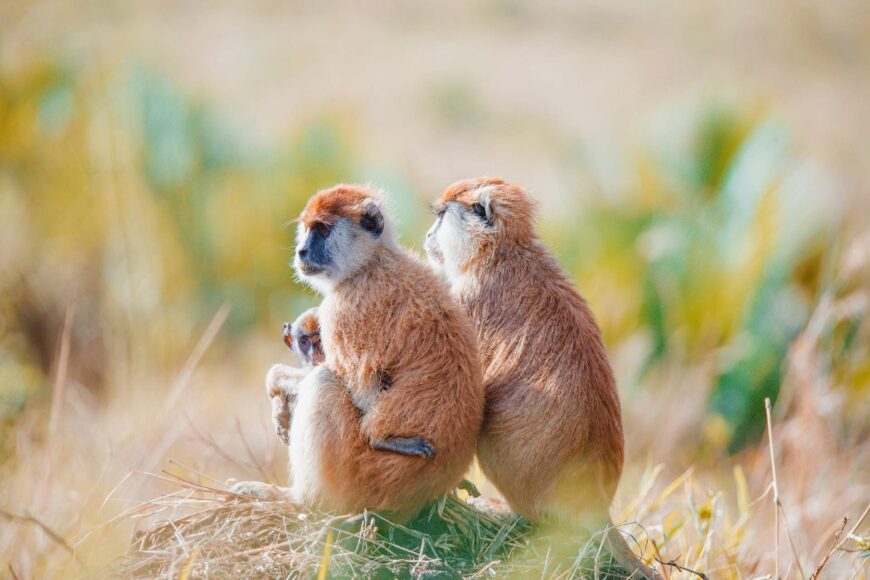
Visitors may encounter: Chimpanzees, Red-tailed monkeys, Black-and-white colobus monkeys, Blue monkeys, L’Hoest’s monkeys, Olive baboons
A chimpanzee experience can be combined with community visits and homestays, allowing travelers to discover both the forest ecosystem and the people who live around it.
Kyambura Gorge: The Underground Forest
Within Queen Elizabeth National Park, Kyambura Gorge offers another remarkable opportunity to search for chimpanzees.
The steep gorge contains a forest ecosystem surrounded by the broader savannah landscape.
Descending into the gorge creates a dramatic transition from open grassland to dense vegetation.
Visitors can combine chimpanzee tracking with: village experiences, Cultural encounters, wildlife game drives, Birdwatching and Boat cruises.
This combination demonstrates the extraordinary diversity of south-western Uganda.
Queen Elizabeth National Park: Where Wildlife Meets Community
Queen Elizabeth National Park is one of Uganda’s most diverse protected areas.
Its landscapes include: Open savannah, Woodlands wetlands.
Lakes, Forest patches, crater landscapes.
The park supports elephants, lions, buffalo, hippos, antelopes, leopards and numerous bird species.
But beyond wildlife, the wider region is home to communities with rich cultural traditions.
This creates opportunities for travelers to experience wildlife and culture within the same itinerary.
The Kazinga Channel Experience
One of Uganda’s most memorable wildlife experiences is a boat cruise along the Kazinga Channel, connecting Lake Edward and Lake George.
The channel is famous for its concentration of hippos, crocodiles, elephants, buffalo and waterbirds.
A boat cruise provides a completely different perspective from a traditional game drive.
Wildlife can be observed from the water while communities and landscapes provide the wider context.
The experience becomes even richer when combined with cultural activities around the surrounding communities.
Lions of Uganda
Lions remain one of Africa’s most iconic predators.
In Uganda, travelers can encounter lions in several protected landscapes.
The lions of Queen Elizabeth National Park are particularly fascinating, including the famous tree-climbing lions associated with the Ishasha sector.
Seeing a lion resting in the branches of a fig or acacia tree is an extraordinary wildlife experience.
But understanding the ecological and community context surrounding these landscapes adds another dimension to the encounter.
Elephants: Giants of the Ugandan Wilderness
African elephants are among Uganda’s most spectacular animals.
They play an important ecological role by influencing vegetation, dispersing seeds and creating pathways through habitats.
A safari encounter with elephants is unforgettable.
However, elephants also highlight the importance of coexistence between wildlife and communities.
Responsible tourism can help generate support for conservation and promote greater understanding of the challenges faced by people living near protected areas.
Murchison Falls: Where the Nile Meets the Wilderness
Northern Uganda offers a completely different safari experience.
Murchison Falls National Park is Uganda’s largest protected area and is dominated by the dramatic Nile River.
The park offers opportunities to encounter elephants, lions, Buffalos, Rothschild’s giraffes, uganda kobs , Hippos, Crocodiles, leopards and Numerous bird species
The powerful Murchison Falls itself provides one of the country’s most spectacular natural sights.
A Boat Safari on the Victoria Nile
A boat trip toward the base of Murchison Falls allows travelers to experience the Nile from a unique perspective.
Along the riverbanks, hippos gather in the water while crocodiles bask along the shoreline.
Elephants and other wildlife may approach the river to drink.
Birdwatchers can search for numerous water-associated species.
The experience combines wildlife, scenery and one of Africa’s great rivers.
Kidepo Valley: Wilderness and Cultural Heritage
Far in north-eastern Uganda lies Kidepo Valley National Park, one of the country’s most remote and spectacular wilderness areas.
The park’s expansive landscapes, rugged mountains and low-density tourism provide a sense of genuine wilderness.
Wildlife includes: lions, Leopards, Elephants, Buffalos, Giraffes, Zebras, Cheetahs, Ostriches and Numerous antelope species
But the cultural dimension of the region is equally compelling.
Karamojong communities offer travelers opportunities to learn about pastoral traditions, architecture, beadwork, music, dance and community life.
This is an ideal example of wildlife and cultural tourism complementing one another.
Karamoja: Where Wilderness Meets Living Culture
A journey to north-eastern Uganda can combine a safari in Kidepo with cultural experiences among communities in the wider Karamoja region.
Visitors can learn about: Pastoralism, Traditional homesteads.
Cattle keeping, Beadwork, Traditional attire, Music and Dance as well as Indigenous knowledge.
The experience creates a deeper appreciation of the landscape because visitors encounter both the wildlife and the people whose history is intertwined with the region.
Rwenzori Mountains: Culture Beneath the Mountains
The Rwenzori Mountains provide another remarkable combination of nature and culture.
Known for dramatic peaks, forests and alpine environments, the mountains are closely associated with the Bakonzo people.
A journey in the region can combine: Mountain trekking, Village walks, Homestays, Coffee experiences, traditional food Storytelling and local crafts.
Travelers gain an understanding of how mountain communities have adapted to their extraordinary environment.
Birdwatching and Community Tourism
Uganda is one of Africa’s exceptional birdwatching destinations, with more than 1,000 recorded bird species.
Birdwatching can be incorporated into cultural itineraries through community forests, wetlands, gardens and agricultural landscapes.
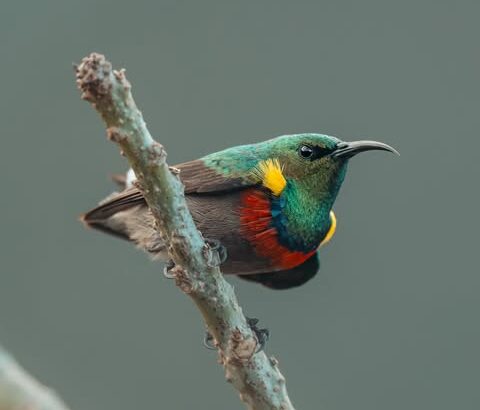
Guests may encounter birds such as:African fish eagle, Grey crowned crane, Great blue turaco, lilac-breasted roller, pied kingfisher, African jacana, Various hornbills Weavers and Sunbirds
Local guides can add valuable knowledge about the birds, their habitats and their importance to the ecosystem.
The Landscape Is Part of the Story
Uganda’s natural beauty extends beyond national parks.
The country is characterized by: Mountains, Lakes, Rivers, Wetlands, Forests, Savannahs, Crater lakes, Rolling hills, Agricultural landscapes.
These environments shape the cultures of the communities living within them.
Fishing communities develop traditions around lakes.
Mountain communities develop specialized farming practices.
Pastoral communities adapt to dry landscapes.
Forest communities develop deep knowledge of plants and wildlife.
Understanding the landscape therefore means understanding the people.
Conservation Through Tourism
The partnership between Ahakaro Safaris and Get Beyond Borders Safaris recognizes that wildlife tourism must be connected to community welfare.
When local communities see tangible benefits from tourism, conservation can become a shared responsibility.
Tourism can support: employment, Community enterprises.
Conservation education, Local guiding, Handicrafts, Hospitality businesses and environmental initiatives.
The goal is to create a cycle in which healthy ecosystems support tourism, tourism supports communities, and communities become stronger partners in conservation.
A Complete Ugandan Safari
Imagine an itinerary beginning in Kampala.
The journey continues to the forests of south-western Uganda for chimpanzee tracking.
From there, travelers venture toward Queen Elizabeth National Park for a game drive and Kazinga Channel cruise.
They spend an evening in a community homestay, preparing traditional food with a host family.
The journey continues toward Bwindi for gorilla trekking.
Afterward, travelers meet local artisans, participate in a cultural experience and learn about the communities surrounding the forest.
Another journey could take travelers north to Murchison Falls, combining wildlife viewing with Nile experiences and community encounters.
Or it could venture to Kidepo, where wilderness adventures meet the cultural heritage of north-eastern Uganda.
The possibilities are extraordinary.
Luxury Does Not Have to Mean Distance From Culture
Luxury travel is often associated with exclusive lodges, private vehicles and premium services.
But modern luxury is increasingly about something more valuable:
Authenticity.
A luxury traveler may enjoy a beautiful lodge, a private safari vehicle and a carefully prepared meal ;but an intimate cultural experience can make the journey truly exceptional.
Imagine having a private traditional cooking session with a local family,
Imagine meeting an artisan whose craft has been passed down through generations,
Imagine enjoying a carefully arranged cultural dinner beneath the stars,
Imagine exploring a coffee farm with a local expert before enjoying freshly prepared coffee.
These are forms of experiential luxury that cannot simply be purchased from a hotel.
Family Safaris With a Cultural Difference
Cultural experiences are particularly valuable for families traveling with children.
Instead of simply observing wildlife, children can:
Learn how food is grown, try traditional crafts, learn local greetings, participate in cultural games. Meet Ugandan children, discover different ways of life, learn about conservation and Experience traditional music.
These encounters transform a holiday into an educational adventure.
Educational Travel
Schools, universities and educational institutions can also benefit from carefully designed cultural and wildlife programs.
Students can explore: conservation, tourism management, Anthropology, Geography, Agriculture, Environmental science.
Indigenous knowledge and ommunity development.
Uganda becomes a living classroom.
Photography and Storytelling Expeditions
For photographers and filmmakers, the combination of wildlife and culture creates endless storytelling opportunities.
A single journey can capture: Wildlife portraits, landscapes.
Traditional architecture, artisan craftsmanship.
Agricultural life, Cultural performances, Markets, Community interactions and Conservation activities.
The partnership encourages ethical photography that respects people, wildlife and cultural boundaries.
The Philosophy Behind the Partnership
Ahakaro Safaris and Get Beyond Borders Safaris believe that Uganda should not be experienced in fragments.
Wildlife should not be separated from communities.
Culture should not be separated from landscapes.
Conservation should not be separated from livelihoods.
Tourism should not be separated from responsibility.
Instead, these elements should come together to create journeys that are complete, meaningful and transformative.
More Than a Safari
A safari traditionally means a journey to observe wildlife.
But the original spirit of travel is much broader.
It is about discovery, it’s about meeting people, it is about learning, It is about seeing the world differently.
Through this partnership, a safari in Uganda becomes a journey through nature, culture, history, food, music, conservation and human connection.
That is the essence of an unmatched African experience.
Why Choose the Combined Experience?
Travelers choosing an Ahakaro Safaris and Get Beyond Borders Safaris cultural journey can expect:
Authentic Connections
Meet people in their communities rather than experiencing culture only through staged presentations.
Immersive Homestays
Stay with carefully selected host families and experience everyday Ugandan life.
Exceptional Wildlife
Combine cultural experiences with some of Africa’s most remarkable wildlife encounters.
Local Expertise
Travel with knowledgeable guides who understand both Uganda’s natural and cultural landscapes.
Responsible Tourism
Support experiences designed to generate benefits for communities and encourage conservation.
Tailor–Made Journeys
Combine wildlife, culture, adventure, relaxation and homestays according to each traveler’s interests.
Meaningful Memories
Return home with stories and relationships—not simply photographs.
The Journey Continues
Uganda’s greatest strength is its diversity.
Within a single country, travelers can encounter mountain gorillas in ancient forests, elephants crossing open savannahs, chimpanzees calling from the canopy, hippos gathering along the Nile, birds filling wetlands with color, farmers tending their gardens, artisans shaping traditional crafts and families opening their homes to visitors.
This is the Uganda that Ahakaro Safaris and Get Beyond Borders Safaris are committed to showcasing.
A Uganda where wildlife and people coexist in the story of travel.
A Uganda where culture is experienced rather than merely observed.
A Uganda where communities are partners rather than bystanders.
And a Uganda where every journey can leave a positive legacy.
A Journey Designed Around You
A truly meaningful safari begins before the traveler arrives in Uganda.
It begins with a conversation.
What do you want to see?
What do you want to learn?
Which cultures interest you?
Do you prefer adventure or relaxation?
Would you like to stay with a family?
Are you interested in wildlife photography?
Would you like to learn traditional cooking?
Do you want to trek through forests?
Would you like to explore Uganda with children?
These questions help transform a standard holiday into a personal travel experience.
Step One: Understanding the Traveler
Before creating an itinerary, the travel team considers several important factors.
These can include: Travel dates, Number of travelers. Age groups. Interests , Preferred accommodation, Budget.
Fitness level, Dietary requirements, Preferred pace of travel, Wildlife interests, Cultural interests, photography interests., and Special occasions.
The result is an itinerary designed around the traveler rather than forcing the traveler to adapt to a predetermined package.
Step Two: Choosing Your Experiences
Uganda offers an extraordinary range of experiences.
Travelers can select from: Wildlife, Game drives, Gorilla trekking. Chimpanzee tracking, Boat safaris, Nature walks, Birdwatching, Wildlife photography, Culture, Homestays, Village walks, Traditional cooking, Storytelling, Music and dance, Craft workshops, cultural heritage visits, Community encounters, Adventure, Mountain trekking, Forest walks, Canopy experiences, Hiking, cycling, Boat adventures, Scenic exploration, Relaxation, Luxury lodges, lakeside retreats.
Cultural stays, Scenic countryside and Wellness-oriented experiences.
The greatest itineraries combine several of these elements without making the journey feel rushed.
Sample Journey One: The 5-Day Culture and Wildlife Escape
For travelers with limited time, five days can provide a remarkable introduction to Uganda.
Day 1 — Arrival and Cultural Welcome
The journey begins with arrival in Uganda and a warm welcome.
Depending on arrival time, guests may enjoy a relaxed introduction to Ugandan culture, cuisine and hospitality.
An evening meal can provide the first taste of local flavors.
Day 2 — Community and Cultural Immersion
The morning begins with a community experience.
Guests may visit a local farm, participate in traditional cooking, explore an artisan workshop and interact with community members.
The afternoon can include a village walk followed by an evening homestay.
Dinner is prepared together with the host family.
The evening ends with storytelling and conversation.
Day 3— Wildlife Adventure
The journey moves into a wildlife destination.
A game drive provides opportunities to search for elephants, buffalo, antelopes, lions and other wildlife.
Rather than ending the day at the park, the experience can continue with a community interaction near the protected area.
This provides a deeper understanding of the relationship between conservation and local livelihoods.
Day 4— Nature and Local Life
The morning can feature a nature activity such as birdwatching, forest exploration or a boat cruise.
Later, guests return to the community for another cultural experience.
Depending on location, this could include coffee, crafts, farming or traditional food.
Day 5 — Farewell and Departure
The final morning provides an opportunity for a relaxed breakfast, final conversations with the host family and departure.
Guests leave Uganda with photographs—but also with stories and personal connections.
The Luxury Cultural Experience
Authenticity and luxury do not have to exist at opposite ends of the travel spectrum.
The partnership creates opportunities for travelers who want comfort without sacrificing cultural immersion.
A luxury cultural safari can include: Premium accommodation.
Private transportation, Private guiding, Carefully selected cultural experiences, Exclusive community visits, Private cooking sessions, Premium dining, Personalized photography opportunities, Private wildlife experiences where available and Carefully arranged homestay encounters.
The objective is not to make the culture artificial.
Instead, luxury is used to enhance comfort while preserving authenticity.
The Family Cultural Adventure
Uganda is an extraordinary destination for families because its experiences can be both entertaining and educational.
Children can learn about: Wildlife, Farming, Food, Conservation, Traditional crafts, Music, Languages, and Community life.
A child who plants a seed on a Ugandan farm may remember that experience long after forgetting a classroom lesson about agriculture.
A child who meets a local family gains an understanding of cultural diversity that no textbook can fully reproduce.
The Couple’s Journey
For couples, cultural experiences can add intimacy and meaning to a safari.
Imagine beginning the day with a private nature walk, enjoying a traditional cooking experience together in the afternoon and ending the evening beneath a spectacular African sunset.
A couple’s journey can combine: Wildlife, Romantic accommodation, Cultural experiences, Private dining, Photography, Scenic landscapes, Community interactions and Relaxation.
The itinerary can be designed around anniversaries, honeymoons, proposals or simply the desire to experience Uganda together.
The Solo Traveler
Traveling alone does not mean traveling without connection.
For solo travelers, homestays and community experiences provide opportunities to interact naturally with Ugandan families and guides.
A solo journey can include: Small-group cultural experiences, Community walks, Cooking classes, Wildlife safaris, Photography, Birdwatching, Artisan workshops and Guided village experiences.
The result can be an enriching journey built around human connection.
The Photographer’s Uganda
For photographers, Uganda offers an extraordinary variety of subjects.
A carefully designed photography journey can combine:
Wildlife
Elephants, lions, gorillas, chimpanzees, buffalo, hippos, giraffes and other wildlife.
Landscapes
Mountains, forests, lakes, rivers, savannahs, wetlands and crater landscapes.
Culture
Markets, artisans, traditional architecture, farming, music, dance and community life.
Human Stories
Portraits, family life and the relationship between people and their environment.
Photography becomes a way of documenting the connection between Uganda’s people, wildlife and landscapes.
The Birdwatcher’s Journey
Uganda’s bird diversity makes it particularly attractive to birdwatchers.
An itinerary can be designed around specific habitats and target species while incorporating cultural experiences along the route.
A birdwatching day might begin before sunrise, followed by breakfast with a local family.
Later, guests may participate in a cooking session or village walk before returning to the field for an afternoon birding session.
This combines specialized interests with cultural immersion.
The Coffee Lover’s Journey
For travelers fascinated by coffee, Uganda offers an opportunity to explore the entire process from farm to cup.
A specialized itinerary can include:
Farm visit → harvesting → processing → roasting → brewing → tasting
Guests can meet farmers, learn about agricultural practices and understand how coffee contributes to household livelihoods.
The experience can then be combined with wildlife, mountain scenery and homestays.
The Culinary Traveler
For food enthusiasts, Uganda can become a gastronomic adventure.
A culinary itinerary can include: market visits, farm experiences, Traditional cooking classes, Family meals, Regional dishes, Fruit tasting, Coffee experiences and Artisan food production.
Instead of simply asking, “What does Uganda taste like?” travelers discover the people, landscapes and traditions behind the food.
The Adventure Traveler
For travelers seeking adrenaline and physical activity, Uganda offers numerous possibilities.
Depending on the itinerary, experiences may include:
Gorilla trekking.
Chimpanzee tracking, Mountain hiking, Forest walks, Cycling, Canopy experiences, Boat adventures and Nature walks.
Adventure can then be balanced with cultural experiences that allow guests to slow down and connect with communities.
Combining National Parks With Cultural Experiences
One of the strongest features of Uganda is the possibility of combining protected areas with surrounding communities.
For example:
Wildlife + Community
A game drive can be followed by a cultural experience.
Forest + Homestay
A chimpanzee or gorilla experience can be complemented by community interaction.
River + Village
A boat cruise can be followed by a lakeside or riverside community experience.
Mountain + Culture
Mountain trekking can be combined with village walks and homestays.
This approach creates a more complete destination experience.
Traveling at the Right Pace
One of the greatest mistakes travelers can make is trying to see everything too quickly.
Authentic cultural tourism requires time.
You cannot truly understand a community in thirty minutes.
You cannot appreciate a family meal while rushing to the next attraction.
You cannot have a meaningful conversation with an elder while constantly checking the clock.
For this reason, Ahakaro Safaris and Get Beyond Borders Safaris emphasize thoughtful pacing.
Sometimes the most valuable part of an itinerary is the afternoon deliberately left open for conversation.
Respecting the Host Community
Authentic tourism is based on mutual respect.
Travelers are encouraged to remember that they are entering someone’s home, community or cultural environment.
Simple principles make a significant difference:
Ask before taking photographs, Dress appropriately, Listen more than you speak, Respect religious practices, Do not enter private areas without permission, Follow local instructions, Avoid making insensitive comparisons, Respect cultural ceremonies, Ask questions with genuine curiosity.
Remember that not every tradition is a tourist attraction.
Respect creates trust.
Trust creates meaningful encounters.
What Travelers Should Pack
Packing for a cultural and wildlife journey requires preparation.
Useful items can include: Comfortable walking shoes, Lightweight clothing, Long trousers, Long-sleeved shirts.
A light jacket, hat, sunscreen, Insect repellent, reusable water bottle, Binoculars, Camera, Extra batteries or power bank, Small backpack, personal medication, rain protection appropriate to the season.
For trekking experiences, the packing list should be adapted to the specific activity.
Supporting Local Communities During Your Journey
Travelers can increase the positive impact of their visit through simple choices.
Instead of purchasing mass-produced souvenirs, consider buying locally made crafts.
Instead of importing every meal preference, try local dishes where suitable.
Instead of interacting only with international brands, use local guides and community businesses.
Every responsible choice helps keep more tourism value within Uganda.
A journey With Purpose
The ultimate goal of this partnership is to transform tourism from consumption into participation.
A traveler does not simply arrive. They learn, They listen, They participate, They share, They contribute, They leave with greater understanding.
The community does not simply host.
It teaches, It creates, It earns, It preserves, it welcomes.
This mutual exchange is the foundation of responsible cultural tourism.
Your Uganda Story Begins Here
Perhaps your dream is to stand beneath the canopy of an ancient rainforest.
Perhaps it is to watch an elephant herd cross a savannah at sunset.
Perhaps you want to learn how Ugandan families prepare traditional food.
Perhaps you want to sit beside a village elder and hear stories of generations past.
Perhaps you want to learn how coffee is grown.
Perhaps you want to dance to a traditional rhythm.
Perhaps you want to wake up in a homestay and hear birds singing outside your window.
Or perhaps you want all of it.
Whatever your vision, Uganda offers the ingredients for an extraordinary journey.
Through the partnership between Ahakaro Safaris and Get Beyond Borders Safaris, that journey can be shaped around you.
From Traveler to Storyteller
The greatest journeys change the person who takes them.
You arrive as a visitor.
You leave as someone who has shared a meal, learned a story, walked a village path, witnessed wildlife in its natural habitat and discovered a different way of seeing the world.
You become part of the story.
And when you return home, you do not simply tell people that you visited Uganda.
You tell them about the people you met.
The food you tasted, The songs you heard, The landscapes you crossed, The wildlife you witnessed, the family that welcomed you, the story that stayed with you. That is the essence of authentic travel.
What Does Responsible Tourism Mean in Uganda?
Responsible tourism is about understanding that every journey has consequences.
Where visitors stay, what they purchase, how they behave, who they employ and how they interact with communities can all influence the destination.
A responsible traveler therefore asks:
Who benefits from my visit?
How can I respect the culture I am entering?
What can I do to reduce my environmental impact?
How can my travel contribute positively to the community?
These questions are at the heart of the experiences developed through the Ahakaro Safaris and Get Beyond Borders Safaris partnership.
Tourism Should Benefit Host Communities
A community should not merely be the backdrop for a tourism experience.
It should be an active participant.
Homestay hosts, local guides, farmers, cooks, artisans, performers and community entrepreneurs all contribute to the visitor experience.
When these people are fairly compensated, tourism becomes a source of economic empowerment.
The partnership seeks to create opportunities for local communities through: Homestay accommodation, Community guiding, Cultural performances, Agricultural experiences, Cooking experiences, Craft sales, Local transportation, Nature walks, Storytelling, and Cultural interpretation.
This approach allows tourism income to circulate within local economies.
The Power of the Local Guide
A professional local guide can transform a simple visit into an extraordinary experience.
A local guide does not simply know where to go.
They understand the meaning behind what visitors see.
A particular tree may have medicinal significance.
A hill may have a historical story.
A traditional dish may be associated with a particular community.
A dance may have a meaning that cannot be understood from watching it alone.
A local guide provides the context.
They turn observation into understanding.
Fair Compensation and Dignity
Authentic tourism must be built on fair relationships.
People who provide tourism services deserve appropriate compensation for their time, knowledge and skills.
This includes: Local guides, Host families, Artisans, Cultural performers, Farmers, Drivers, Cooks, and Community coordinators.
Fair compensation helps ensure that tourism is economically sustainable and reduces the risk of communities becoming dependent on irregular or exploitative arrangements.
Homestays With Respect at Their Core
A homestay is an invitation into someone’s personal space.
That invitation deserves respect.
Guests should understand that a Ugandan family home is not a hotel.
There may be different expectations concerning: Privacy.
Meals, Family routines, Dress, Religion, Household responsibilities, Use of facilities, Photography, Visiting hours.
Before a homestay, travelers can receive cultural orientation so they understand what is expected.
Likewise, host families can be prepared to understand the needs and expectations of international visitors.
This two-way preparation creates a better experience for everyone.
Preserving Cultural Authenticity
One of the greatest challenges facing cultural tourism is the risk of turning living traditions into performances created solely for tourists.
The partnership seeks to avoid this by emphasizing experiences rooted in genuine community life.
Authenticity means allowing communities to determine:
What they want to share, How they want to share it, What should remain private, which traditions are appropriate for visitors, How tourism should interact with community life.
Not every cultural practice needs to become a tourism product.
Some traditions are sacred, Some ceremonies are private and Some knowledge belongs within the community.
Respecting these boundaries is an essential part of responsible tourism.
Protecting Indigenous Knowledge
Uganda’s communities possess extensive indigenous knowledge about agriculture, forests, wildlife, weather, food and medicinal plants.
This knowledge represents generations of observation and experience.
Tourism can help preserve it by creating opportunities for elders and knowledge holders to teach younger generations.
However, indigenous knowledge should never be exploited or commercially used without appropriate community consent.
The objective is preservation through respectful exchange—not extraction.
Supporting Women Through Responsible Tourism
Women are central to Uganda’s cultural and economic life.
They are often responsible for: Food preparation, Agriculture, Craft production, Childcare, Hospitality, Traditional knowledge. And Community enterprises.
Tourism can create additional opportunities for women to generate income and develop businesses.
Through carefully designed cultural experiences, women can become: Hosts, Cooks, Artisans, Guides, Entrepreneurs and Cultural educators.
The resulting income can support households while strengthening women’s participation in local economies.
Empowering Uganda’s Youth
Young people represent the future of Uganda’s tourism industry.
Providing them with opportunities within tourism can help develop careers while keeping cultural knowledge alive.
Youth can be trained in:
Tour guiding, Hospitality, Photography, Digital marketing, Conservation, Storytelling, Cultural interpretation, Entrepreneurship, and Craft production.
The partnership encourages tourism experiences that create pathways for young people to participate meaningfully in the industry.
Conservation Begins With Communities
Uganda’s wildlife and protected areas cannot be conserved effectively without considering the communities living around them.
People living near national parks and forests often experience both the benefits and challenges associated with conservation.
Responsible tourism can help build positive relationships by creating economic opportunities connected to conservation.
When communities benefit from tourism, there can be stronger incentives to protect wildlife habitats and support conservation initiatives.
Wildlife Tourism With a Conservation Purpose
A wildlife safari should be more than an opportunity to take photographs.
It can also be an educational experience.
Travelers can learn about:
Habitat protection, Human-wildlife coexistence, Anti-poaching efforts, Wildlife monitoring, Conservation challenges, Protected-area management, and Community conservation.
Understanding these issues encourages visitors to appreciate that wildlife conservation is a complex responsibility shared by governments, conservation organizations, communities, tourism businesses and travelers.
Reducing Environmental Impact
Responsible travel requires attention to the environment.
The partnership encourages practices such as:
Reducing unnecessary plastic use, Avoiding litter, Conserving water, Using resources responsibly, Respecting wildlife viewing guidelines, Staying on designated trails, Avoiding disturbance of animals, Supporting locally sourced products, Encouraging environmentally conscious accommodation.
Small actions become significant when adopted by thousands of travelers.
Responsible Wildlife Viewing
Wildlife encounters are most meaningful when animals are allowed to behave naturally.
Visitors should:
Maintain appropriate distances, Follow guide instructions, Avoid shouting, Avoid feeding wild animals, Never attempt to attract animals, Avoid littering, Respect photography guidelines and Remain within designated areas.
The objective is to observe wildlife without unnecessarily altering its behaviour.
Responsible Photography
Photography can preserve beautiful memories and promote destinations around the world.
But photography must never come at the expense of people’s dignity.
Before photographing someone, ask permission.
This is particularly important when photographing:
Children, Elders, Religious ceremonies, Traditional ceremonies, Private homes and Cultural activities.
A photograph should represent a moment shared respectfully—not something taken without consent.
Supporting Local Crafts
Buying locally made products is one of the simplest ways travelers can contribute directly to communities.
Instead of purchasing generic imported souvenirs, visitors can look for locally produced baskets, Beads, Pottery, Textiles, Wood carvings, Bark cloth, Jewellery, and other traditional instruments.
The purchase supports the artisan and helps keep traditional craftsmanship economically viable.
Avoiding Harmful Souvenir Practices
Responsible travelers should also consider the materials used in souvenirs.
Wildlife products, illegally harvested materials and products made from protected species should never be purchased.
Choosing ethically produced crafts helps protect both wildlife and cultural heritage.
Responsible Cultural Interaction
Travelers should approach cultural experiences with curiosity rather than judgment.
Different does not mean inferior.
Different does not mean wrong.
A community may have customs, family structures, foods or traditions that differ from those of a visitor’s home country.
The purpose of cultural tourism is not to decide which culture is better.
It is to understand difference.
Learning Before Judging
A cultural encounter can challenge assumptions.
A traveler may discover that a tradition they initially find unfamiliar has a deep historical or social meaning.
This is one of the greatest benefits of travel.
It expands perspective.
It teaches patience.
It encourages empathy.
And it reminds us that there are many legitimate ways of organizing human life.
Responsible Eating
Food can also be part of sustainable tourism.
Travelers can support local food systems by choosing locally sourced meals when appropriate.
Eating locally can: Support farmers, Support local markets, Reduce transportation requirements, Introduce travelers to regional cuisine, Strengthen community businesses.
It also creates opportunities for cultural exchange.
Sustainable Agriculture Experiences
Agricultural tourism can provide communities with additional income while educating visitors about food production.
Guests may learn about: Coffee, Tea, Bananas, Beans, Maize, Cassava, Groundnuts, Fruits and Livestock.
Farm experiences can demonstrate traditional and modern agricultural practices while showing how food production shapes community life.
Supporting Conservation Through Cultural Tourism
Cultural tourism and wildlife conservation do not have to operate separately.
In many parts of Uganda, the same landscapes that support wildlife also support communities.
A traveler who spends money on A community walk, homestay, Local crafts, a cultural performance, a farm experience.
Is helping create economic value around local heritage.
That value can strengthen the broader case for protecting landscapes and traditions.
Building Resilient Communities
Tourism should not be the only source of income for a community.
Instead, responsible tourism can complement existing livelihoods such as:
Agriculture. Livestock keeping, Fishing, Crafts and other Small businesses.
Diversification can make households more resilient to economic challenges.
The Importance of Community Ownership
The most sustainable community tourism initiatives are those where local people have meaningful participation.
Communities should have opportunities to contribute to decisions regarding:
Activities, Pricing, Visitor numbers, Cultural boundaries, Environmental protection and Revenue distribution.
Tourism works best when communities are partners rather than passive recipients.
Tourism as a Bridge Between Cultures
At its best, tourism creates understanding between people who may otherwise never meet.
A traveler from Europe, Asia, North America or elsewhere may sit at the same table with a Ugandan family.
They may discover that despite differences in language, geography and traditions, they share many of the same hopes:
A safe family.
A good future for their children, Meaningful work, Healthy communities, A beautiful environment, and generally a sense of belonging.
These simple human connections are among the most powerful outcomes of travel.
A journey That Gives Back
Imagine arriving in Uganda as a visitor, to stay with a family.
You purchase a basket made by a local artisan, You eat food grown by a nearby farmer, You hire a local guide, You learn about conservation, You visit a protected area, You respect wildlife, You leave without littering.
This is a Future Where Tourism and Conservation Work Together.
And the tourism industry has an important role to play in this process.
By creating economic value around conservation and culture, tourism can help ensure that these treasures remain relevant and protected.
The Traveller’s Responsibility
Responsible tourism is not only the responsibility of tour operators.
Travelers themselves are essential partners.
Every visitor can contribute by: Respecting people, treat communities with dignity, Respecting culture, Learning before participating, Respecting wildlife, Observing without disturbing, Respecting nature
Leave places as you found them—or better, Supporting local businesses
Keeping tourism income within communities.
Traveling thoughtfully
Choose experiences that prioritize long-term benefits.
A new Definition of Luxury
Perhaps the greatest luxury in modern travel is not having more but rather experiencing more deeply.
Luxury can mean having the time to sit with a family and listen.
It can mean enjoying a meal prepared from ingredients harvested that morning.
It can mean walking through a coffee farm with the person who grows the coffee.
It can mean watching the sunset from a quiet village.
It can mean hearing a story that has survived generations.
It can mean knowing that your journey has contributed positively to the people and places you visited.
This is experiential luxury.
And Uganda offers it naturally.
Why Your Journey Matters
Every visitor who chooses responsible travel becomes part of a larger story.
A homestay can support a family, A craft purchase can support an artisan, A cultural tour can help preserve traditional knowledge.
A local guide can support a young professional.
A wildlife safari can contribute to conservation-oriented tourism.
A community experience can create a reason for younger generations to value their heritage.
The impact of one traveler may seem small.
But multiplied across many travelers, it can become transformative.
The Meaning of Leaving a Positive Footprint
There is an important distinction between leaving a footprint and leaving an impact.
A footprint may disappear, An impact can remain.
The goal of responsible tourism is to ensure that travelers leave behind positive impacts:
More opportunity, More cultural pride, More conservation awareness, More support for local businesses and More reasons to protect Uganda’s natural and cultural heritage.
That is the kind of footprint worth leaving.
Uganda Awaits With an Open Heart
Uganda does not ask travelers merely to come and look.
It invites them to listen, To taste, To walk, To learn, To participate, To understand.
And ultimately, to connect.
Through the partnership between Ahakaro Safaris and Get Beyond Borders Safaris, travelers can experience Uganda in a way that respects the destination while creating meaningful connections with its people.
From the forests of Bwindi to the savannahs of Queen Elizabeth and Murchison Falls, from the mountains of the Rwenzori to the cultural landscapes of Karamoja, Uganda offers an extraordinary diversity of experiences.
But behind every landscape is a community.
Behind every dish is a story.
Behind every craft is a skilled hand.
Behind every tradition is a generation.
And behind every responsible journey is an opportunity to help protect these treasures for the future.
Travel With Purpose. Discover With Respect. Return With Stories.
The partnership between Ahakaro Safaris and Get Beyond Borders Safaris invites travelers to discover a different side of Uganda.
Not merely the Uganda of postcards.
Not merely the Uganda of wildlife documentaries.
But the Uganda of families, farms, forests, food, music, traditions, wildlife, landscapes and human connection.
This is a journey where the destination is not simply somewhere you visit.
It is somewhere you come to understand.
And once you understand it, you carry a piece of it home.
Part 9: Beyond the Tourist Trail — Hidden Communities, Lesser–Known Experiences and the Uganda Few Travelers Discover
There is the Uganda that appears on postcards.
There is the Uganda of mountain gorillas, chimpanzees, elephants, lions, the River Nile and spectacular national parks.
And then there is another Uganda.
It is found along quiet village paths, in family gardens, around village cooking fires, in small artisan workshops, at local markets, beside fishing communities, among coffee farms and in conversations with elders.
It is an Uganda that does not always announce itself.
You have to slow down to find it.
You have to listen.
You have to walk beyond the obvious attractions.
And most importantly, you have to be willing to experience Uganda through the people who call it home.
This is the spirit behind the partnership between Ahakaro Safaris and Get Beyond Borders Safaris.
Their shared vision is to create journeys that go beyond conventional tourism and introduce travelers to authentic experiences that may never appear on a standard itinerary.
These are experiences built around people, place, heritage and everyday life.
They are not about rushing from one attraction to another.
They are about discovering the stories in between.
There Is More to Uganda Than the Famous Attractions
Uganda’s best-known destinations deserve their reputation. Bwindi offers extraordinary gorilla experiences, Kibale is famous for chimpanzees, Queen Elizabeth National Park provides exceptional wildlife and landscape experiences, Murchison Falls showcases the Nile and vast savannah landscapes, Kidepo offers a remarkable sense of wilderness.
But these destinations are only part of Uganda’s story.
Around them are communities with their own histories, livelihoods, cuisines, crafts and traditions.
A traveler who spends time in these communities sees something that cannot be captured by a game-drive checklist.
They see Uganda as a living country rather than simply a collection of attractions.
The Beauty of Slowing Down
Modern travel can sometimes become a race.
Wake up, Drive, Take photographs, Visit an attraction, Drive again, Check into accommodation, Repeat.
But cultural immersion requires another approach; It asks travelers to slow down, Sit down, Listen, Talk, Eat, Walk and Observe.
A quiet afternoon spent with a Ugandan family may appear less dramatic than a game drive, but it can produce a much deeper understanding of the country.
This is why the partnership deliberately creates space for unhurried experiences.
Village Walks: Discovering Everyday Uganda
A village walk can be one of the simplest yet most revealing cultural experiences.
There may be no grand monument, No ticket office, No enormous sign announcing an attraction.
Instead, travelers walk along ordinary paths and discover extraordinary stories.
A village walk can reveal: Traditional homes, Gardens, Local schools, Small shops, Livestock, Community wells, Places of worship, Markets, Crafts, Farmland and Local meeting places.
A knowledgeable community guide provides context, explaining how people live and how the village has changed over time.
The Garden Behind the Home
For many rural Ugandan families, the garden is much more than a source of food.
It can be an important part of household security and culture.
Visitors may discover gardens containing: Bananas, Beans, Cassava, Maize, Sweet potatoes, Vegetables, Fruit trees and various herbs ovcourse
During a farm experience, guests can learn about planting, harvesting and traditional agricultural practices.
They may even participate in seasonal activities where appropriate.
This is an opportunity to understand how food reaches the family table.
The Story of a Ugandan Home
Traditional and modern homes across Uganda reflect the history, environment and economic circumstances of their communities.
A cultural visit can introduce travelers to different forms of housing and explain: Building materials, Traditional construction techniques, Household organization, Cooking areas, Storage, Family spaces and cultural Cultural symbolism.
In some communities, architecture itself tells a story about climate, available resources and social organization.
Local Markets: The Pulse of Community Life
For travelers wanting to understand everyday Uganda, few places are as revealing as a local market.
Markets bring together farmers, traders, craftspeople and families.
Depending on the location, visitors may encounter stalls selling: Fresh vegetables, Fruits, Fish, Grains, Spices, Clothing Household goods, Handmade crafts and Livestock.
A guided market visit helps travelers understand local commerce and gives them opportunities to interact respectfully with vendors.
A Different Kind of Shopping
Shopping during a cultural journey does not have to mean visiting conventional souvenir stores.
Instead, travelers can meet the people who make the products.
They can discover how a basket is woven.
How beads are selected.
How clay becomes pottery.
How wood is shaped.
How fabrics are produced.
The object becomes more meaningful when the traveler knows the person and story behind it.
Meeting the Artisan
An artisan workshop is a doorway into Uganda’s creative heritage.
Visitors can spend time with local craftspeople and observe their work.
Depending on the community, experiences may include: Basket weaving, Pottery, Beadwork, Wood carving, Bark cloth production, Leatherwork, Textile production.
Musical instrument making, painting and visual arts.
Where appropriate, guests can participate in simplified demonstrations under the guidance of the artisans.
The Value of Buying Directly
When travelers purchase directly from artisans, the transaction becomes more than shopping.
It becomes support for: Household income, Traditional skills, Small businesses, Women’s groups, Youth enterprises and eventually Cultural preservation.
Travelers can also learn to distinguish genuinely locally made products from imported goods marketed as African souvenirs.
Fishing Communities and Life Around Water
Uganda’s lakes and rivers have shaped communities for generations.
Fishing communities have developed livelihoods, traditions and food cultures closely connected to water.
A responsible community experience can introduce travelers to: Fishing practices, Fish preparation, Boat construction, Lakeside cuisine, Local markets, Water conservation and Community life.
Such experiences should always be designed around safety, community consent and environmental responsibility.
The Human Story of Lake Victoria
Lake Victoria is not simply one of Africa’s great lakes.
For communities living along its shores, it is part of everyday life.
The lake provides food, employment, transport and cultural identity.
A lakeside cultural experience can help travelers understand the relationship between people and one of Africa’s most important freshwater ecosystems.
Coffee Villages: Following the Bean
One of the most rewarding ways to explore rural Uganda is through coffee.
Instead of drinking coffee anonymously in a city café, travelers can follow its journey from the farm.
They can meet farmers and discover:
Seedling → Coffee tree → Flower → Cherry → Harvest → Processing → Drying → Roasting → Cup
The journey reveals the patience and labor behind one of the world’s most popular beverages.
Community Coffee Experiences
A coffee experience can be combined with a homestay.
The morning might begin with a walk through the plantation.
Later, the host explains how coffee is harvested and processed.
The afternoon can involve traditional cooking.
In the evening, guests enjoy conversation over freshly brewed coffee.
A simple cup becomes a story about agriculture, family and community.
Mountain Communities and the Rwenzori Region
The communities around the Rwenzori Mountains provide an extraordinary example of the relationship between people and landscape.
The dramatic mountains influence farming, climate, water systems and cultural identity.
Travelers can explore villages, farms and community enterprises while learning about the Bakonzo people and their relationship with the mountains.
Experiences can include: Village walks, Homestays, Coffee tours, Traditional meals, Cultural storytelling, Mountain preparation experiences, Craft demonstrations.
The mountains provide the scenery.
The people provide the story.
The Quiet Beauty of Western Uganda
Western Uganda is particularly suited to travelers who want to combine wildlife with community experiences.
The region offers opportunities to connect:
National parks + villages + farms + culture + lakes + mountains
A journey can move from a wildlife experience in Queen Elizabeth National Park to a village homestay in the surrounding region.
The contrast is remarkable.
One moment the traveler is watching elephants.
The next, they are sitting with a family discussing farming, food and community life.
The Culture Around Queen Elizabeth National Park
The communities around Queen Elizabeth National Park have developed livelihoods influenced by agriculture, fishing, tourism and the surrounding landscape.
Cultural experiences can introduce travelers to: Local farming, Fishing communities, Traditional foods, Crafts, Music, Community conservation and Local stories.
This adds an important human dimension to a safari.
The park becomes more than a wildlife destination.
It becomes part of a larger cultural landscape.
The Story of Coexistence
Living near wildlife can create both opportunities and challenges.
Communities around protected areas may experience the benefits of tourism while also facing issues associated with human-wildlife interaction.
Responsible cultural tourism creates an opportunity for travelers to learn about these realities.
Visitors can hear community perspectives on: Conservation, Wildlife, Agriculture, Tourism, Land use and Livelihoods.
These conversations should be approached respectfully and without assuming that every community has the same experience.
The Bakonzo Cultural Experience
In the Rwenzori region, the Bakonzo offer a rich cultural experience shaped by mountain life.
Visitors can learn about: Traditional food, Farming, Music, Dance, Oral traditions, Mountain knowledge, Crafts Community organization.
The experience becomes especially powerful when combined with a Rwenzori adventure.
Travelers begin to understand that the mountains are not simply scenery.
They are home.
The Batwa Experience: Culture, Forest and Resilience
The Batwa people have a long history associated with the forests of the Albertine Rift.
A responsible cultural experience can introduce visitors to aspects of Batwa heritage, traditional knowledge and forest relationships.
These experiences must prioritize community leadership, dignity and appropriate cultural boundaries.
Travelers may learn about: Forest knowledge.
Traditional music, Storytelling, Medicinal plants Hunting traditions as historical knowledge, Community resilience and Contemporary livelihoods.
The experience should never reduce Batwa culture to a stereotype.
Instead, it should recognize the community as living people with both historical heritage and contemporary aspirations.
Karamoja Beyond the Safari
Karamoja is another region where culture and wilderness can be combined.
Travelers visiting Kidepo Valley National Park can extend their journey into community experiences among the Karamojong.
The region offers insights into: Pastoralism, Cattle culture, Traditional homesteads, Beadwork, Music, Dance, Traditional attire.
And Community life in general.
This combination provides a richer understanding of north-eastern Uganda.
The Many Languages of Uganda
Language is another doorway into culture.
Uganda’s linguistic diversity reflects its cultural diversity.
Travelers do not need to become fluent.
Learning a few greetings in the local language can demonstrate genuine interest and respect.
A simple greeting can often open a conversation that would otherwise never happen.
Traditional Knowledge of Plants
Communities across Uganda have developed extensive knowledge of plants.
During appropriate guided experiences, travelers can learn how communities traditionally identify and use certain plants for: Food, Building materials, Crafts, Traditional remedies,and Household purposes.
Such knowledge should be presented respectfully, and traditional remedies should not be treated as substitutes for professional medical care.
The purpose is cultural education.
Sacred Landscapes and Places
Some landscapes have cultural or spiritual importance to local communities.
These may include: Forests, Trees, Caves, Mountains, Rivers, Springs, Burial sites and many more others.
Not all such places are suitable for tourism.
Where visits are appropriate, local cultural protocols must be followed.
Responsible tourism recognizes that cultural heritage includes places that may be sacred rather than publicly accessible.
Traditional Games and Community Recreation
Cultural immersion does not always require a formal tour.
Visitors may encounter traditional games, children’s activities or community sports.
Participation can create spontaneous moments of connection.
A traveler may arrive intending to observe and leave having joined a game, learned a song or laughed with children from the community.
These unscripted interactions can become some of the most memorable parts of a journey.
The Village Evening
There is something special about the transition from day to night in rural Uganda.
The pace slows.
Cooking fires begin to glow.
Families gather.
Children return home.
Birdsong gives way to evening sounds.
A homestay allows travelers to experience this transition naturally.
Why Authenticity Cannot Be Manufactured
Authenticity cannot be created simply by placing a traditional costume on a stage.
It comes from real relationships.
It comes from entering a community respectfully.
It comes from listening to people explain their own lives.
It comes from eating food prepared within a family.
It comes from walking through a real farm.
It comes from purchasing a craft directly from its maker.
It comes from understanding that communities are not attractions—they are homes.
This principle guides the cultural experiences developed by Ahakaro Safaris and Get Beyond Borders Safaris.
Creating Experiences, Not Performances
The partnership seeks to ensure that cultural tourism remains grounded in genuine community participation.
A cultural experience might involve a traditional performance, but the performance should have meaning beyond the visitor.
A cooking class should be based on real food traditions.
A farm visit should involve actual agricultural practices.
A homestay should reflect genuine family life.
An artisan visit should introduce travelers to real craftsmanship.
The distinction is important.
The objective is not to create a replica of Uganda for tourists.
The objective is to invite travelers into the Uganda that already exists.
Part 10: Shaping the Future of Authentic Cultural Tourism in Uganda
Introduction
Tourism is changing.
Travelers are no longer satisfied with simply collecting photographs of famous landmarks. Increasingly, they want to understand the places they visit. They want meaningful encounters, authentic food, local stories, nature, adventure and experiences that connect them with the communities behind the destination.
This shift presents Uganda with an extraordinary opportunity.
Uganda already possesses many of the ingredients that modern travelers are searching for: remarkable wildlife, extraordinary landscapes, diverse cultures, welcoming communities, rich cuisine, ancient traditions, mountains, forests, lakes, rivers and some of Africa’s most memorable wildlife experiences.
What matters now is how these assets are brought together.
This is where the partnership between Ahakaro Safaris and Get Beyond Borders Safaris becomes particularly significant.
The partnership represents a vision of tourism that does not simply take travelers to Uganda’s attractions.
It invites them into Uganda’s story.
It creates opportunities for travelers to meet communities, experience local life, stay in homestays, learn traditional skills, discover regional cuisines and explore the relationship between people, wildlife and landscapes.
The future of tourism is not simply about where people go.
It is increasingly about what they experience, who they meet and what their journey contributes to.
A new Generation of Travelers
Today’s travelers are increasingly curious.
They want more than an itinerary filled with destinations.
They want experiences.
A traveler may want to know:
Who grows the food I am eating? Who made this basket? What stories does this community preserve? How does this village live alongside wildlife? What does this forest mean to local people? ,Where does this coffee come from? How does tourism support the community? What can I learn from this destination?
These questions represent an enormous opportunity for Uganda.
Cultural tourism provides answers that conventional sightseeing cannot.
From Tourism Products to Human Experiences
Traditional tourism often organizes destinations around products: Gorilla trekking, Game drives, Boat cruises, Mountain climbing, City tours.
But the future lies in combining these activities with human stories.
A gorilla trek can become an opportunity to understand forest conservation.
A game drive can lead to a conversation about human-wildlife coexistence.
A coffee tour can become a story about agriculture and family livelihoods.
A homestay can become an exchange between cultures.
A village walk can become a lesson in history.
The activity remains important.
But the story around it becomes equally valuable.
The Future of Homestays in Uganda
Homestays have enormous potential to transform cultural tourism.
A hotel can provide comfort.
A lodge can provide beautiful surroundings.
But a homestay can provide something different: Belonging, A traveler wakes up in a real community, Breakfast is prepared within a family environment, The surrounding landscape becomes part of daily life.
Conversations happen naturally.
Guests discover how people work, eat, celebrate and relax.
This type of experience can create a connection that conventional accommodation rarely provides.
Modern Comfort Meets Authentic Hospitality
Authentic does not have to mean uncomfortable.
The future of Ugandan homestays can combine genuine community life with appropriate standards of: Cleanliness, Safety, Privacy, Comfortable sleeping arrangements, Hygiene, Communication, Cultural orientation and Responsible hosting.
This allows international travelers to experience local life while still having reasonable expectations regarding comfort and safety.
The objective is not to turn a family home into a luxury hotel.
It is to improve the homestay experience without destroying its authenticity.
Digital Storytelling and Cultural Tourism
Technology is changing how travelers discover destinations.
A traveler may encounter Uganda for the first time through: Instagram, TikTok, YouTube, Travel blogs, Search engines, Virtual tours, Photography and Documentary content.
This creates an opportunity for Ugandan communities to tell their own stories to a global audience.
The Power of Video
Video can capture aspects of culture that written descriptions cannot fully communicate.
The sound of a drum.
The movement of a traditional dance, The preparation of food, The laughter of a family.
The sound of birds in a forest, The rhythm of a village market, The movement of cattle across a landscape, The mist surrounding a mountain.
These moments can inspire travelers long before they arrive in Uganda.
Virtual Discovery Before Physical Travel
Digital platforms can also allow travelers to learn about communities before visiting.
A potential guest could watch: A host family introduction, A coffee farming demonstration.
A cultural cooking video, A village tour, A conservation story, A craft-making demonstration.
By the time the traveler arrives, they already have some understanding of the experience.
This creates anticipation while helping establish respectful expectations.
The Importance of Authentic Storytelling
Tourism marketing must avoid presenting Uganda through stereotypes. Uganda is not one culture, It is not one landscape and It is not one tradition.
It is a country of many communities and identities.
Responsible storytelling should therefore present diversity rather than reducing the country to a single image.
A traveler should be able to discover the differences between regions while appreciating their shared Ugandan identity.
Youth and the Future of Cultural Tourism
Young Ugandans have an important role to play in the future of tourism.
They are digital natives. They understand social media, They are storytellers, They are entrepreneurs.
They can become guides, photographers, filmmakers, designers, conservationists and hospitality professionals.
Tourism can create opportunities for young people to earn livelihoods while remaining connected to their communities.
Training the Next Generation of Guides
Future guides can be trained in more than wildlife identification.
They can develop expertise in: Cultural interpretation, Storytelling, Photography, Conservation, First aid, Hospitality, Digital communication, Responsible tourism, and Community engagement.
A guide who understands both nature and culture can provide a much richer experience.
Women as Leaders in Tourism
The future of cultural tourism must also create opportunities for women.
Women can play leading roles as: Homestay hosts, Chefs, Farmers, Artisans, Guides, Entrepreneurs, Cultural educators, Hospitality managers.
When tourism creates opportunities for women, the benefits can extend beyond individual businesses to families and communities.
Community–Based Tourism a as Business Opportunity
Community tourism should not be viewed only as charity.
It can be a viable business model.
A well-managed community experience can generate revenue while providing travelers with something genuinely valuable.
Potential products include: Homestays, Farm visits, Cooking classes, Craft workshops, Village walks, Cultural storytelling, Birdwatching, Cycling, Fishing experiences, Traditional music and dance, Community conservation tours.
The key is quality, authenticity and fair participation.
Building Experiences Around Local Strengths
Every community has something different to offer.
One community may have exceptional coffee.
Another may be famous for weaving.
Another may have strong musical traditions.
Another may have extraordinary agricultural landscapes.
Another may be located near wildlife habitat.
The future of cultural tourism should not force every community to offer the same experience.
Instead, each community can develop tourism around its own strengths.
Regional Tourism Circuits
Uganda’s cultural tourism potential can become even stronger when destinations are connected into regional circuits.
For example: Western Uganda Cultural and Wildlife Circuit
Kampala → Fort Portal → Kibale → Queen Elizabeth → Rwenzori → Bwindi.
This can combine: Primates, Wildlife, Mountains, Coffee, Culture and Homestays.
Northern Uganda Circuit
Murchison Falls → Gulu → cultural communities → northern landscapes.
North–eastern Circuit
Kidepo → Karamoja cultural experiences → community tourism.
These circuits encourage travelers to spend more time in Uganda rather than visiting only one destination.
Longer Stays, Deeper Experiences
One of the most important trends in experiential tourism is the move toward longer and slower journeys.
Instead of visiting ten attractions in ten days, a traveler may prefer to spend several days understanding one region.
This creates opportunities for: Deeper community interaction, More local spending.
Better environmental management, More relaxed travel, Stronger relationships plus More meaningful experiences.
Slow travel can therefore benefit both visitors and communities.
The Role of Conservation Education
Tourism can become an educational platform.
Guests can learn why forests matter.
Why wetlands matter, Why wildlife matters.
Why communities matter, Why conservation is sometimes complicated.
Why protected areas need surrounding communities.
A knowledgeable traveler is more likely to become an ambassador for conservation after returning home.
Technology Should Serve People
Digital transformation should not replace human interaction.
A mobile application can provide information.
A website can inspire a booking.
A video can introduce a destination.
But technology cannot replace the warmth of a Ugandan welcome.
The future should therefore use technology to facilitate human connection rather than eliminate it.
Creating Personalized Journeys
Technology can also help travel companies design more personalized experiences.
Instead of asking travelers to choose from a fixed list of packages, companies can develop journeys around individual interests.
For example: Wildlife + Culture, Gorillas + Homestay, Coffee + Wildlife, Birdwatching + Community, Adventure + Culture, Family + Education, Luxury + Authenticity, Photography + Conservation
This approach allows travelers to create their own version of Uganda.
Ahakaro Safaris: Building an Experience–Led Future
For Ahakaro Safaris, the vision extends beyond arranging transportation and accommodation.
It is about creating experiences that remain meaningful long after the traveler returns home.
The company’s motto, “Unmatched African Experience,” reflects this ambition.
An unmatched experience is not necessarily the most expensive one but rather the one that feels personal, The one that tells a story, The one that creates connection.
The one that gives the traveler a reason to remember Uganda.
Get Beyond Borders Safaris: Connecting Travelers With Communities
The partnership with Get Beyond Borders Safaris strengthens this vision by emphasizing experiences that cross geographical and cultural boundaries.
The idea is beautifully simple:
Travel should help people understand one another.
Borders may separate countries, Languages may differ, Cultures may be different But travel can create bridges.
A Ugandan family can welcome an international traveler.
A traveler can learn a local tradition.
A conversation can challenge assumptions.
A shared meal can create friendship.
That is what it means to go beyond borders.
The Partnership as a bridge
Together, Ahakaro Safaris and Get Beyond Borders Safaris can create a bridge between:
International travelers and Ugandan communities.
Wildlife and culture.
Adventure and learning.
Tourism and conservation.
Tradition and modern travel.
Local enterprise and international markets.
This is more than a commercial partnership.
It is a shared tourism philosophy.
A Vision for Generations to Come
Tourism is ultimately about the future as much as the present. The decisions made today determine what travelers will experience tomorrow. If forests are protected, future generations can walk through them, If wildlife is conserved, future travelers can encounter it. If traditions are valued, children can inherit them. If communities benefit from tourism, they can continue to participate in conservation.
If young people see tourism as a viable career, they can become the guides, conservationists and entrepreneurs of tomorrow.
This is the legacy that responsible tourism should pursue.
An Invitation to Discover Uganda Differently
Uganda is waiting.
Not simply with national parks and spectacular landscapes.
But with people, With stories, With food, With music, With farms, With forests, With mountains, With wildlife, With traditions, With families but most of all With experiences that cannot be replicated elsewhere.
Ahakaro Safaris and Get Beyond Borders Safaris invite travelers to experience all of this—not as distant observers, but as respectful guests.
Your Story. Their Story. Uganda’s Story.
Every journey is a meeting of stories, The traveller arrives with their own history.
The host community has its own history, Uganda has a much larger story.
When these stories meet, something extraordinary can happen
That is the true power
Begin Your Journey Beyond the Ordinary: Discover Uganda with Ahakaro Safaris and Get Beyond Borders Safaris
Uganda Is Waiting. And There Is So Much More to Discover.
Every journey begins with a dream. Perhaps yours is to stand face-to-face with a mountain gorilla in the misty forests of Bwindi Impenetrable National Park. Perhaps you imagine watching elephants wander across the golden savannahs of Queen Elizabeth National Park, cruising along the wildlife-rich Kazinga Channel, or listening to the thunder of the Nile at Murchison Falls.
But what if your Ugandan adventure could become something even more meaningful?
Imagine sharing a meal with a Ugandan family, learning the secrets of a traditional recipe, walking through a coffee garden, listening to stories passed down through generations, or discovering the artistry behind a handmade basket. Imagine waking up in a welcoming community, not merely as a visitor passing through, but as a guest invited to experience a little of everyday Ugandan life.
This is the Uganda we invite you to discover.
Through this partnership, Ahakaro Safaris and Get Beyond Borders Safaris bring together wildlife adventures, cultural encounters, authentic homestays and opportunities to connect with the people and places that make Uganda extraordinary.
Our vision extends beyond taking you to beautiful destinations. It is about helping you understand what makes them special, appreciate the communities that call them home, and create memories that remain meaningful long after your journey ends.
Whether you are planning a wildlife safari, gorilla trekking adventure, cultural immersion, family holiday, romantic escape, photography expedition or an extended exploration of Uganda, your journey can be tailored around your interests, available time, travel style and budget.
You do not have to choose between wildlife and culture, adventure and relaxation, or comfort and authenticity. With thoughtful planning, these experiences can become part of one remarkable journey.
Your Journey. Your Interests. Your Uganda.
Perhaps you have only a few days and want to experience Uganda’s wildlife and culture. Perhaps you have two or three weeks to explore its national parks, forests, mountains, lakes and communities. Or perhaps you are looking for an experience that takes you beyond conventional tourism into the everyday lives, traditions and stories of the people you meet.
Whatever brings you to Uganda, we invite you to begin with a conversation.
Tell us what inspires you. Tell us the places you dream of visiting, the experiences you hope to have, the accommodation you prefer and the kind of memories you want to create. Our team can help you explore suitable destinations, develop a personalized itinerary and understand the arrangements required for your trip.
Your adventure might begin with gorillas, but continue with a homestay. It might start with a game drive and lead to a traditional cooking experience. It might take you from the savannah to the mountains, from a bustling market to a peaceful village, or from the shores of a great lake to a forest alive with birdsong.
The possibilities are as diverse as Uganda itself.**
Travel That makes a Difference
We believe the best journeys create value beyond the traveler.
By choosing responsible cultural experiences, locally owned services and community-based activities where available, visitors can contribute to local livelihoods while gaining a deeper appreciation of Uganda’s heritage.
We encourage travel that respects cultural traditions, protects wildlife, values local knowledge and recognizes the dignity of the people who welcome visitors into their communities.
Every experience should be approached with respect, transparency and consideration for the people and environments involved. Community participation should be voluntary, cultural boundaries should be honored, and the benefits of tourism should be pursued in ways that support the long-term well-being of local communities.
Because discovering a destination should never mean forgetting our responsibility toward it.
Let Us Help You Plan Your Ugandan Adventure
Your African journey deserves more than a generic itinerary. It deserves careful planning, meaningful experiences and a team that listens to what matters to you.
Whether you are traveling independently, as a couple, with family, with friends or as part of a larger group, we welcome the opportunity to help you explore the possibilities.
You can enquire about:
– Wildlife safaris across Uganda’s remarkable national parks.
– Mountain gorilla trekking and chimpanzee tracking.
– Authentic cultural encounters and community visits.
– Carefully arranged homestays and local food experiences.
– Birdwatching, nature walks and adventure travel.
– Family holidays, honeymoons and private safaris.
– Coffee tours, traditional crafts and culinary experiences.
– Multi-day journeys combining wildlife, culture and nature.
Every itinerary is subject to availability, seasonal conditions, permit requirements and the practical needs of your trip. We will help you understand these considerations as your plans take shape.
Your Invitation: Come for the Adventure. Connect Through the Culture. Leave with a Story.
Uganda is more than a destination marked on a map. It is a land of extraordinary wildlife, beautiful landscapes, living traditions, remarkable biodiversity and people whose stories add depth to every journey.
Come to watch elephants beside the river. Stay to discover the stories of the communities around it.
Come to trek through an ancient forest. Stay to understand why its protection matters.
Come to taste Uganda’s food. Stay to learn the stories behind its ingredients and traditions.
Come to explore. Stay to connect.
And when you return home, take more than photographs with you. Take new perspectives, meaningful memories and a deeper appreciation of the country you have experienced.
Ahakaro Safaris × Get Beyond Borders Safaris
Unmatched African Experiences. Authentic Cultural Connections. Meaningful Journeys.
Ready to Discover Uganda Beyond the Ordinary?
Let’s start planning your journey.
Contact Ahakaro Safaris to discuss your travel ideas and begin designing an experience that brings together the wildlife, culture, nature and human connections you want to discover.
Email: info@ahakarosafaris.com
Phone / WhatsApp:+256 751 940 444
Website: www.ahakarosafaris.com
PLAN YOUR UGANDA SAFARI
Contact us with your preferred travel dates, number of travelers, interests and approximate budget. We will help you explore an itinerary suited to your needs.
Your Uganda. Your Experience. Your Story.
Ahakaro Safaris and Get Beyond Borders Safaris invite you to experience a deeper, more personal side of