Advice and Payment Options
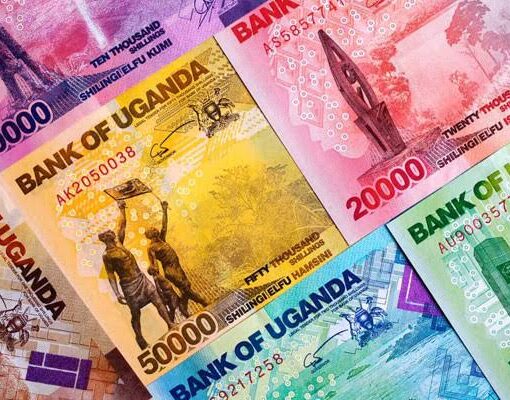
Booking a safari in Uganda with Ahakaro Safaris requires careful planning of deposits and understanding local currency rules. Payment Options Bank Wire Transfers: Commonly used for large deposits or full payments, taking 2–5 business days to clear through official company SWIFT accounts. Credit and Debit Cards: Major operators accept Visa and Mastercard online or on-site, though a small processing fee (around 3.5%) often applies. Mobile Money: Fast and convenient for local payments or regional expenses using MTN Mobile Money or Airtel Money. Cash Payments: Accepted upon arrival in USD, Euros, or British Pounds, but USD bills must be newer than 2006 (and $50/$100 notes get better rates) without tears or blemishes. Essential Advice Deposit Structure: Expect to pay a 20% to 50% deposit upfront; this secures scarce gorilla and chimpanzee trekking permits through the Uganda Wildlife Authority. Avoid Scams: Never transfer money to personal bank accounts, Western Union, MoneyGram, or cryptocurrencies unless dealing with a verified, reputable operator. Cost Planning: Budget safaris average $150–$300 per person daily, mid-range tours run $300–$500, and luxury packages cost $600–$1,500+. Uganda Safari Payment Methods for International Travelers Booking a safari from thousands of kilometers away naturally raises a practical question that many travelers overlook until the last minute: how exactly do you pay for it? Understanding Uganda safari payment methods for international travelers before you book helps you avoid unnecessary fees, currency confusion, and stress once you land. From securing your deposit to covering tips, park fees, and souvenirs once you’re on the ground, this guide walks through every stage of paying for a Uganda safari as a visitor arriving from overseas. At Ahakaro Safaris, we work with travelers from Europe, North America, Asia, and beyond, and payment questions come up in almost every planning conversation. Here is what you need to know. How Uganda Safari Payments Are Typically Structured Most reputable Uganda safari operators, including tailor-made itinerary providers, follow a two-stage payment structure. A deposit, usually between 20% and 50% of the total safari cost, is paid at the time of booking to secure permits, accommodation, vehicles, and guides. The remaining balance is then due before arrival, often 30 to 60 days ahead of travel, though this varies by operator and by how close to your travel date you’re booking. This structure exists largely because of gorilla trekking and chimpanzee tracking permits, which are limited in number and must be purchased in advance directly from the Uganda Wildlife Authority. A safari booking deposit locks in these permits on your behalf, which is why last-minute bookings can sometimes be more expensive or simply unavailable during peak season. Understanding Uganda’s Currency for Tourists Uganda’s official currency is the Ugandan Shilling (UGX), but as a practical matter, most safari-related costs — park entrance fees, gorilla permits, accommodation, and guided tour packages — are quoted and often settled in US Dollars. This is standard practice across East Africa’s tourism sector and makes budgeting considerably easier for international travelers, since you’re not constantly recalculating exchange rates for major expenses. That said, Uganda currency for tourists still matters for day-to-day spending. Once you’re on the ground, small purchases such as local crafts, tips, market goods, and casual meals outside your safari package are usually paid in Ugandan Shillings. It’s worth exchanging a reasonable amount of cash early in your trip, either at the airport, a licensed forex bureau in Kampala or Entebbe, or through your lodge if that service is offered. Paying Your Safari Deposit and Balance For the deposit and remaining balance on your safari package itself, most operators offer a small set of reliable options suited to international travelers. Bank wire transfer remains one of the most common methods for larger safari payments, since it avoids the percentage fees that credit cards can add on international transactions. When using an international bank transfer safari payment, always confirm the receiving bank details directly with your operator through a verified channel, and double-check SWIFT/BIC codes carefully, since wire transfer errors can be difficult and slow to correct. Credit and debit card payments are increasingly available through secure online payment links, which is often the most convenient option for smaller deposits or last-minute bookings. Be aware that a credit card safari booking Uganda payment may include a processing fee, typically in the range of 3% to 5%, depending on the payment gateway and card issuer. This is worth factoring into your budget, especially on larger balance payments. Some travelers also use international money transfer services such as Wise, Western Union, or similar platforms, which can offer more favorable exchange rates than a traditional bank for certain currency pairs. Always confirm with your safari operator which specific platforms they accept before initiating a transfer, since not every operator supports every service. Cash Payments: What You Need to Know While most of your safari cost will be settled before you travel, carrying some cash remains essential once you arrive in Uganda. Cash for Uganda safari spending typically covers guide and driver tips, porter fees during gorilla trekking, drinks and incidentals at lodges, souvenirs, and small purchases in local markets or craft centers. US dollars are widely accepted for larger tips and purchases, but they need to meet certain conditions to be accepted at face value: bills should be dated 2013 or later, free of tears, stains, or excessive wear, and not have any stamps, marks, or folds that could raise doubts about authenticity. Older or damaged bills are often refused or accepted only at a reduced rate, so it’s worth checking your notes before you travel. For smaller, everyday purchases, Ugandan Shillings are more practical and often expected, particularly outside of major hotels and tourism hubs. A reasonable approach is to carry a mix of US dollars for tips and larger discretionary spending, along with some Ugandan Shillings exchanged locally for smaller purchases. Avoid carrying excessive amounts of cash for security reasons, and use hotel safes or secure travel pouches when appropriate. Mobile Money and Digital Payments Mobile money is deeply embedded