TEL: +256 789571243
EMAIL: bookings@ahakarosafaris.com

Unmatched African Experience

ahakaro safaris

Advice and Payment Options

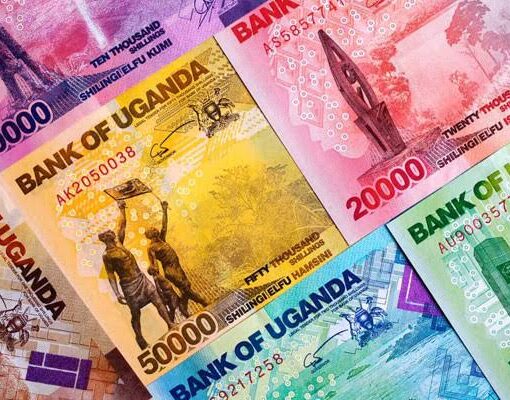
Booking a safari in Uganda with Ahakaro Safaris requires careful planning of deposits and understanding local currency rules. Payment Options Bank Wire Transfers: Commonly used for large deposits or full payments, taking 2–5 business days to clear through official company SWIFT accounts.  Credit and Debit Cards: Major operators accept Visa and Mastercard online or on-site, though a small processing fee (around 3.5%) often applies.  Mobile Money: Fast and convenient for local payments or regional expenses using MTN Mobile Money or Airtel Money. Cash Payments: Accepted upon arrival in USD, Euros, or British Pounds, but USD bills must be newer than 2006 (and $50/$100 notes get better rates) without tears or blemishes. Essential Advice Deposit Structure: Expect to pay a 20% to 50% deposit upfront; this secures scarce gorilla and chimpanzee trekking permits through the Uganda Wildlife Authority.  Avoid Scams: Never transfer money to personal bank accounts, Western Union, MoneyGram, or cryptocurrencies unless dealing with a verified, reputable operator.  Cost Planning: Budget safaris average $150–$300 per person daily, mid-range tours run $300–$500, and luxury packages cost $600–$1,500+.  Uganda Safari Payment Methods for International Travelers Booking a safari from thousands of kilometers away naturally raises a practical question that many travelers overlook until the last minute: how exactly do you pay for it? Understanding Uganda safari payment methods for international travelers before you book helps you avoid unnecessary fees, currency confusion, and stress once you land. From securing your deposit to covering tips, park fees, and souvenirs once you’re on the ground, this guide walks through every stage of paying for a Uganda safari as a visitor arriving from overseas. At Ahakaro Safaris, we work with travelers from Europe, North America, Asia, and beyond, and payment questions come up in almost every planning conversation. Here is what you need to know. How Uganda Safari Payments Are Typically Structured Most reputable Uganda safari operators, including tailor-made itinerary providers, follow a two-stage payment structure. A deposit, usually between 20% and 50% of the total safari cost, is paid at the time of booking to secure permits, accommodation, vehicles, and guides. The remaining balance is then due before arrival, often 30 to 60 days ahead of travel, though this varies by operator and by how close to your travel date you’re booking. This structure exists largely because of gorilla trekking and chimpanzee tracking permits, which are limited in number and must be purchased in advance directly from the Uganda Wildlife Authority. A safari booking deposit locks in these permits on your behalf, which is why last-minute bookings can sometimes be more expensive or simply unavailable during peak season. Understanding Uganda’s Currency for Tourists Uganda’s official currency is the Ugandan Shilling (UGX), but as a practical matter, most safari-related costs — park entrance fees, gorilla permits, accommodation, and guided tour packages — are quoted and often settled in US Dollars. This is standard practice across East Africa’s tourism sector and makes budgeting considerably easier for international travelers, since you’re not constantly recalculating exchange rates for major expenses. That said, Uganda currency for tourists still matters for day-to-day spending. Once you’re on the ground, small purchases such as local crafts, tips, market goods, and casual meals outside your safari package are usually paid in Ugandan Shillings. It’s worth exchanging a reasonable amount of cash early in your trip, either at the airport, a licensed forex bureau in Kampala or Entebbe, or through your lodge if that service is offered. Paying Your Safari Deposit and Balance For the deposit and remaining balance on your safari package itself, most operators offer a small set of reliable options suited to international travelers. Bank wire transfer remains one of the most common methods for larger safari payments, since it avoids the percentage fees that credit cards can add on international transactions. When using an international bank transfer safari payment, always confirm the receiving bank details directly with your operator through a verified channel, and double-check SWIFT/BIC codes carefully, since wire transfer errors can be difficult and slow to correct. Credit and debit card payments are increasingly available through secure online payment links, which is often the most convenient option for smaller deposits or last-minute bookings. Be aware that a credit card safari booking Uganda payment may include a processing fee, typically in the range of 3% to 5%, depending on the payment gateway and card issuer. This is worth factoring into your budget, especially on larger balance payments. Some travelers also use international money transfer services such as Wise, Western Union, or similar platforms, which can offer more favorable exchange rates than a traditional bank for certain currency pairs. Always confirm with your safari operator which specific platforms they accept before initiating a transfer, since not every operator supports every service. Cash Payments: What You Need to Know While most of your safari cost will be settled before you travel, carrying some cash remains essential once you arrive in Uganda. Cash for Uganda safari spending typically covers guide and driver tips, porter fees during gorilla trekking, drinks and incidentals at lodges, souvenirs, and small purchases in local markets or craft centers. US dollars are widely accepted for larger tips and purchases, but they need to meet certain conditions to be accepted at face value: bills should be dated 2013 or later, free of tears, stains, or excessive wear, and not have any stamps, marks, or folds that could raise doubts about authenticity. Older or damaged bills are often refused or accepted only at a reduced rate, so it’s worth checking your notes before you travel. For smaller, everyday purchases, Ugandan Shillings are more practical and often expected, particularly outside of major hotels and tourism hubs. A reasonable approach is to carry a mix of US dollars for tips and larger discretionary spending, along with some Ugandan Shillings exchanged locally for smaller purchases. Avoid carrying excessive amounts of cash for security reasons, and use hotel safes or secure travel pouches when appropriate. Mobile Money and Digital Payments Mobile money is deeply embedded
Read More

Changing Money in Uganda

Where Can I Exchange Money in Uganda? Currency exchange is available at banks, forex bureaus, and ATMs in Kampala and Entebbe. Exchange facilities in rural areas and near parks are extremely limited or nonexistent. Forex bureaus (currency exchange offices) in Kampala offer competitive rates and are generally reliable. Banks also exchange currency but may have longer queues and shorter hours. Entebbe airport has exchange facilities, though rates are less favorable than in Kampala. ATMs are widely available in Kampala and Entebbe, dispensing Ugandan shillings. Some ATMs at major banks (Stanbic, Standard Chartered) also dispense US dollars. Withdrawals are subject to daily limits, and your bank may charge international transaction fees. Once you leave Kampala, assume you won’t find ATMs or exchange services until you return. Safari lodges cannot exchange currency. Calculate how much local currency you’ll need for tips, drinks, curios, and incidentals, and obtain it before departing the capital. Uganda Currency & Money Tips in One Place Uganda runs on Ugandan Shillings (UGX), with cards and ATMs easy in cities but cash essential everywhere else; tip modestly, watch exchange rates, and avoid airport money changers for the best value. Use local shillings for daily spending and keep crisp USD for big-ticket tourism costs. For travellers researching Uganda currency and planning their budget, the key is simple: use UGX for everyday purchases, rely on ATMs and authorized forex bureaus in Kampala or Entebbe for decent rates, and don’t expect cards or contactless payments to work smoothly once you head into the bush. As of mid‑2026, guides such as The Currency Shop note that the Ugandan Shilling is relatively stable but still prone to daily fluctuations, with typical tourist references of around 3,500–3,900 UGX per 1 USD depending on market conditions, so always check a live converter before you exchange.

Read More

Gorilla Trekking in Uganda

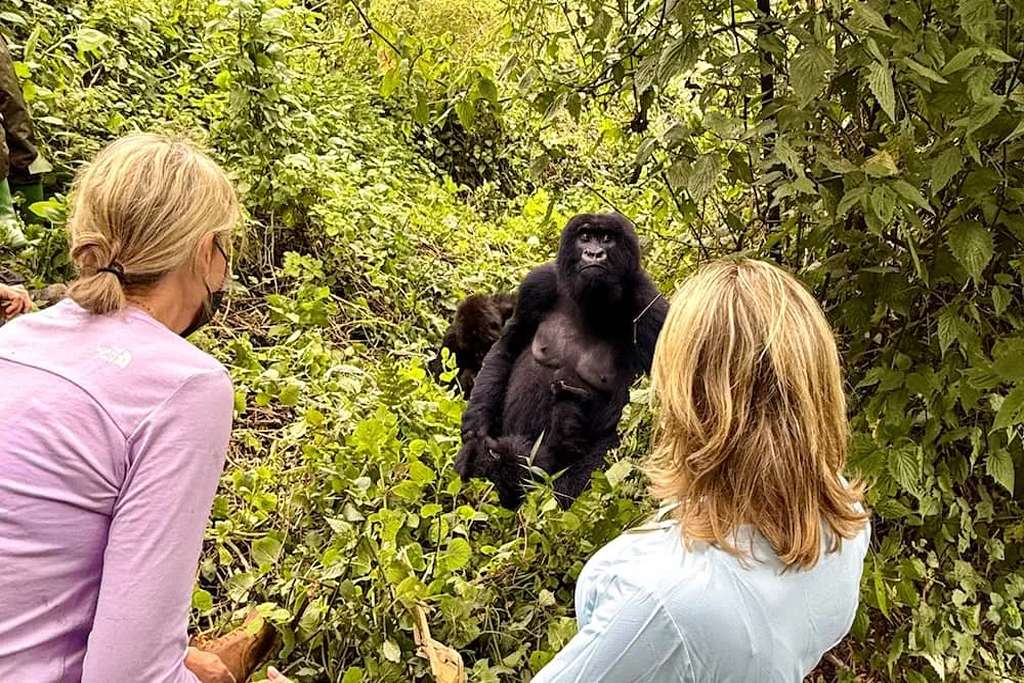
An Independent Travel Guide to mountain gorilla trekking in Bwindi Impenetrable National Park, the best place to see mountain gorillas up close in the wild. Perfect and less marketed, Bwindi Impenetrable Forest is one of the most affordable destinations where travelers can meet the mountain gorillas in their natural habitat. Tracking gorillas in the impenetrable Bwindi forest is one of the lifetime adventures that will never fade from your memory. The activity involves a hike through the lush rain forest that is characterized with different tree species and interesting fauna, an amazing experience full of life time memories. You can easily get a gorilla permit at only US$800 per day, a fee that includes park entrance fees, park rangers, and great memories in general. Food, transport and accommodation can’t cost much as long as you have the main park gate pass at hand. The park retains much of its rich treasures through conservation and local community support so whoever tracks mountain gorillas support the community and the park mountain gorilla conservation. You may be surprised to find free coffee at the Buhoma Tourism Center, a welcome prize prepared using Uganda locally made coffee for every guest to park as a way of saying thank you for supporting mountain gorilla conservation. Why Go Gorilla Tracking in Bwindi This is the finest park for mountain gorilla trekking twice at a pocket friendly price that you won’t find anywhere in the region. Experience rural ancient life by meeting up with the gorillas twice in a unique gorilla habitat -Bwindi Forest and later mix with locals for updates on Uganda traditions and culture. The amazing adventure offers opportunities to be with mountain gorillas for one hour of photography and observation a thing every primate tourist will love. Besides Bwindi impenetrable forest is a home to one of the richest ecosystems in Africa and one of the most populated gorilla destinations for mountain gorillas. Go Gorilla Trekking in Bwindi Mountain gorillas are the major draw to Uganda’s tourism. Meeting these great apes in their natural wild is an experience that is of a lifetime. Within the Bwindi Forest, gorilla trekking is conducted in four sectors; Buhoma and Ruhija in the north as well as Rushaga and Nkuringo in the south. This adventure activity is done all year round and gorilla permits are prebooked well in advance. The activity is conducted along ecotourism guidelines and tourists are given up one hour to watch the great apes. Some of the important gorilla trekking guidelines that you need to know are; Tourists must maintain a distance of 7 meters from the mountain gorillas. Though at times, the apes can get very close to you, it is important to take advice of the rangers on duty on how you should behave whilst gorilla trekking. During the gorilla trekking session, it is important to keep in your small group and endeavor to maintain your voices low. Where to Go Gorilla Trekking in Bwindi Forest Bwindi Impenetrable National Park is an exceptional destination with a checklist of up to 120 species of mammals. Bwindi features four main well-established visitor centers where briefing for gorilla watching and allocation of park ranger guides is done by the park official. The four main sectors/regions/information centers in Bwindi Impenetrable National Park include Ruhija, Buhoma sector, Rushaga, and Nkuringo region. These four tourism information centers in Bwindi National Park are found in the different parts of the park. Visitors on gorilla trekking safaris must choose their tourism/gorilla trekking center right from the initial stages of booking gorilla permits. The region/center you choose to spend your Uganda holiday in Bwindi should be guided by what you intend to do or gorilla families you want to track. Here is a detailed guide to each of the Bwindi Impenetrable National Park tourism information centres (sectors/regions/areas). Buhoma Sector Buhoma sector is located in the Northern end of Bwindi Impenetrable National Park. It is known for gorilla trekking and visitors can explore gorilla families such as Rushegura, Mubare, Habinyanja, and Katwe gorilla family. Visitors with plans to start their activities at Buhoma can consider booking the lodges that are close to the starting point of the gorilla trek. Popular Buhoma lodges include Engagi Lodge, Silverback Lodge, Buhoma Lodge, Buhoma Community Rest Camp, and Volcanoes Safari Bwindi Lodge. Ruhija Sector The Ruhija tourism information centre is located in the Eastern side of Bwindi Impenetrable National Park. Visitors with plans to explore different gorilla families/groups in the Eastern section of Bwindi assemble at Ruhija trailhead to begin their day with briefing. Rushaga Sector In the far Southern edge, there is Rushaga sector, a region with highest gorilla groups already habituated and open to trekkers. Rushaga is one of the tourism information centers located in the southern end of Bwindi National Park. Unlike other gorilla sectors/regions, Rushaga features the highest number of already habituated gorilla families for tourists to track. Nkuringo Sector Nkuringo region is another popular gorilla trekking area in the Southern end of Bwindi National Park. Like other tourism information centres, Nkuringo is an ideal location for tourists to kick-start their gorilla trekking adventures in Bwindi. Visitors can book lodges/accommodation choices in and around Nkuringo for overnight stay. They include Nkuringo Gorilla Campsite, Nkuringo Gorilla Camp, Nkuringo Bwindi Gorilla Lodge, Lake Mulehe Gorilla Lodge, Clouds Mountain Gorilla Lodge, Gorilla Heights Lodge, and others. All About Gorilla Trekking in Bwindi Gorilla trekking is undoubtedly the highlight of any visit to Bwindi Impenetrable Forest. It combines adventure, wildlife observation, and the thrill of encountering one of the world’s most endangered species in its natural habitat. However, this activity requires preparation and a clear understanding of what to expect. Gorilla trekking is a unique, thrilling and fulfilling experience! It is a journey leading one to appreciate the hidden treasures of Uganda. There are over 40 gorilla families within Bwindi Forest but only 25 families have been habituated for gorilla tourism. The remaining gorilla families are still wild though some are still undergoing the gorilla habituation process. Visiting one or more habituated gorilla groups in Bwindi National Park is worth as each of them tells

Read More

What to pack for Uganda Safari

Clothing Essentials Neutral layers: Bring khaki, olive, or beige clothing to blend in and avoid attracting tsetse flies (avoid dark blue or black). Long trousers and sleeves: Pack lightweight, breathable long-sleeve shirts and pants to protect against sun, brush, and insects. Warm layer: Include a fleece or lightweight jacket, as early morning game drives and high-altitude areas like Bwindi Impenetrable National Park can be cold. Rain protection: Bring a reliable waterproof rain jacket or poncho. Footwear and Gear Hiking boots: Sturdy, waterproof boots are essential for muddy trails during gorilla or chimpanzee tracking. Daypack: A small, water-resistant backpack is necessary for carrying water, a camera, and a rain jacket on treks. Binoculars: Pack a compact pair (8×42 or 10×42) for spotting birds and wildlife. Headlamp or flashlight: Useful for unlit paths at remote safari lodges during power cuts. Health and Practical Items Insect repellent & Sunscreen: Bring high-SPF sunscreen and a strong insect repellent containing DEET or Picaridin. Plug adapter: Uganda uses UK-style Type G (square three-pin) plugs. Soft luggage: Use a soft-sided duffel bag instead of a hard suitcase, which is required for small bush aircraft and safari vehicle storage. Book a Safari with Us Please enable JavaScript in your browser to complete this form.Please enable JavaScript in your browser to complete this form. Name * FirstLast Email *Your Country of Origin?Which kind of Safari Experiences would you needMt Gorilla TrekkingWildlife SafarisAdventure ActivitiesCultural ExperiencesMontaineeringChimpanzee TrekkingLocal Community Impact TourHoneymoon VacationsDescribe your tour (Include your contact number) Submit

Read More

Experience 7 Days Kenya Safari with Ahakaro Safaris

 7-Day Kenya Safari From $ 1900 Amboseli • Lake Naivasha • Maasai Mara Elephants • Kilimanjaro • Rift Valley • Lake Life • Big Cats • Maasai Culture   Duration: 7 Days / 6 Nights Style: Private mid-range safari Start: Nairobi End: Nairobi Best for: Wildlife lovers, couples, families, photographers and first-time Kenya travellers   This route combines three contrasting Kenyan landscapes: the elephant-rich plains of Amboseli, the dramatic Great Rift Valley and Lake Naivasha, and the legendary Maasai Mara. The sequence is designed to keep the journey flowing naturally from southeast Kenya toward the Mara rather than repeatedly returning to Nairobi.   DAY 1 — NAIROBI → AMBOSELI NATIONAL PARK 6:30 AM — Pick-up in Nairobi Your Ahakaro Safaris guide picks you up from your hotel or agreed location. Depart Nairobi and travel south toward Amboseli National Park. As you approach the park, the scenery changes from Nairobi’s urban environment to open plains and dry savannah. On clear days, the magnificent Mount Kilimanjaro rises behind the park.   12:30 PM — Lunch & Check-in Arrive at your lodge, enjoy lunch and take a short rest. 2:30 PM — AFTERNOON GAME DRIVE Enter Amboseli for your first safari. Amboseli is especially famous for its large elephant herds.   Look for: Elephants, Lions, Buffaloes, Giraffes, Zebras, Wild beasts, Hippos Hyenas, Gazelles, Ostriches, Numerous bird species. Your guide will explain how wildlife survives in this semi-arid ecosystem.    5:30 PM — SUNSET Find a suitable viewpoint and watch the sun set over the Amboseli plains. On clear evenings, Kilimanjaro creates an extraordinary backdrop.   Overnight: Amboseli Meals: Breakfast, Lunch & Dinner     DAY 2 — FULL-DAY AMBOSELI Wildlife, Wetlands & Kilimanjaro Wake early for a sunrise safari. The cooler morning temperatures often bring increased wildlife activity.    6:00 AM — MORNING GAME DRIVE Explore the park’s open plains and wetland areas.   Search for: Elephant families, Lions, Buffaloes, Zebras, Giraffes, Wildebeest, Antelopes and Hyenas   The wetlands are particularly important because they provide water and green vegetation during dry periods.   9:00 AM — BREAKFAST Return to your lodge for breakfast and relaxation.   11:00 AM — NATURE & CULTURAL EXPERIENCE Depending on availability, visit a local Maasai community or enjoy a guided cultural experience.   Learn about: Maasai traditions, Cattle keeping, Traditional homes, Beadwork, Local livelihoods Coexistence between communities and wildlife.   1:00 PM — LUNCH Relax at your lodge.   3:00 PM — AFTERNOON SAFARI Return to Amboseli for another wildlife drive. Your guide will explore different areas in search of species missed during the morning. Finish with a spectacular African sunset.   Overnight: Amboseli Meals: Breakfast, Lunch & Dinner   DAY 3 — AMBOSELI → LAKE NAIVASHA From Kilimanjaro to the Great Rift Valley Enjoy an early breakfast.    6:00 AM — FINAL AMBOSELI GAME DRIVE Take one final game drive before leaving the park. This is another opportunity for photographs of elephants, giraffes, zebras and other wildlife in the morning light. Return to the lodge, check out and depart.   9:30 AM — JOURNEY TO NAIVASHA Travel northwest toward Kenya’s spectacular Great Rift Valley. The landscape gradually changes from dry Amboseli plains to highland agricultural areas and escarpments.   RIFT VALLEY VIEWPOINT Stop at a scenic viewpoint overlooking the Great Rift Valley. Your guide will explain the geological significance of this enormous landscape. Continue to Lake Naivasha.    4:00 PM — LAKE NAIVASHA Check into your lodge overlooking or near the lake. Relax and enjoy the evening.   Overnight: Lake Naivasha Meals: Breakfast, Lunch & Dinner   DAY 4 — LAKE NAIVASHA Boat Safari & Crescent Island Today is intentionally lighter, providing a relaxing contrast to the game-drive-heavy Amboseli experience.   8:00 AM — LAKE NAIVASHA BOAT SAFARI Aboard a boat and explore the freshwater lake. Keep an eye out for:  Hippos, African fish eagles, Cormorants, Herons, Egrets, Kingfishers, Pelicans and Other waterbirds Your guide will explain the lake ecosystem and its importance to local communities.   10:30 AM — CRESCENT ISLAND NATURE WALK Depending on conditions and availability, continue to Crescent Island for a guided walking safari. One of the special features here is experiencing wildlife on foot rather than from a safari vehicle. You may see: Giraffes, Zebras, Wildebeest, Gazelles, Buffaloes Waterbuck   1:00 PM — LUNCH Return to the lodge for lunch. Afternoon at Leisure Choose between: Nature walk Birdwatching Cycling where available Lakeside relaxation Optional cultural experience Overnight: Lake Naivasha Meals: Breakfast, Lunch & Dinner   DAY 5 — NAIVASHA → MAASAI MARA Into Kenya’s Big-Cat Country After breakfast, depart Naivasha and head toward the Maasai Mara. The journey takes you through the beautiful Kenyan highlands and rural landscapes. 12:30 PM — LUNCH Enjoy lunch en route or at your lodge depending on arrival time.    2:00 PM — MAASAI MARA Check in and have a short rest. Then head out for your first Mara game drive.    3:00 PM — AFTERNOON GAME DRIVE Search for: Lions, Leopards, Cheetahs, Elephants, Buffaloes, Giraffes, Zebras, Wildebeest, Topi, Eland, Gazelles, Hyenas The Mara is particularly renowned for its large predator populations.    5:30 PM — SUNSET Enjoy sunset over the Mara plains before returning to camp.   Overnight: Maasai Mara Meals: Breakfast, Lunch & Dinner     DAY 6 — FULL-DAY MAASAI MARA  The Ultimate Wildlife Day Wake before sunrise and enter the Mara while the grasslands are still cool.  6:00 AM — SUNRISE GAME DRIVE Search for predators beginning or ending their night’s activities.  9:00 AM — BREAKFAST Depending on your guide’s plan, enjoy breakfast at camp or a suitable designated location.    10:00 AM — WILDLIFE EXPLORATION Continue exploring different sections of the reserve. Look for large herds of: Wildebeest, Zebra, Buffalos, Elephants And smaller species such as: Impala Thomson’s gazelle, Grant’s gazelle and Topis   12:30 PM — PICNIC LUNCH Enjoy a picnic lunch at an approved location. 2:00 PM — AFTERNOON GAME DRIVE Continue exploring the Mara. If travelling during the appropriate migration period, you may encounter large wildebeest and zebra

Read More
Translate »